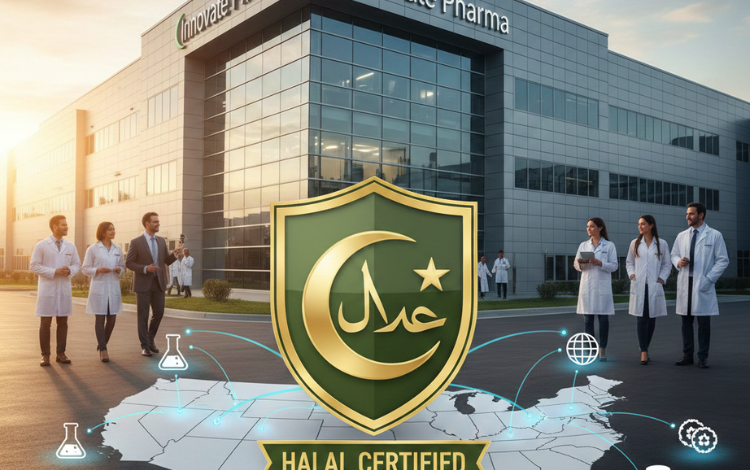
When it comes to healthcare market, trust is one of the most valuable assets for pharmaceutical companies. As consumers become increasingly conscious of the ingredients and manufacturing processes behind the products they use, transparency and compliance with ethical standards have never been more important. Among these standards, Halal certification has emerged as a powerful framework that promotes purity, safety, and ethical integrity. For pharmaceutical businesses in the USA, aligning with Halal compliance is not just about meeting religious requirements—it is about strengthening credibility, expanding market reach, and building long-term trust with diverse consumer groups.
The Growing Demand for Halal-Compliant Pharmaceuticals in the USA
Over the past decade, the Muslim population in the USA has grown significantly, accompanied by a rising preference for Halal-certified healthcare products. This shift is not limited to faith-based consumers—many health-conscious individuals are now more inclined toward Halal-certified medicines because the certification ensures cleanliness, ethical sourcing, and strict quality control. As a result, halal certification of pharmaceutical products has become a strategic advantage for companies wanting to appeal to a broader audience.
In addition to cultural and religious factors, the “clean label” trend has also influenced purchasing habits. Consumers today are more aware of what goes into their medicines, supplements, and wellness products. Halal certification helps pharmaceutical companies showcase their commitment to transparency and stringent quality processes, reassuring consumers that their products meet high safety and ethical standards.
See also: How a Bath Lifter Quietly Restores Comfort and Dignity in Australian Homes
Why Halal Certification Matters to Pharma Companies
Pharmaceutical companies that go through the Halal certification process gain several compelling benefits. First, it enhances product marketability among Muslim communities in the USA and worldwide. Second, it confirms that the entire supply chain—from ingredients to production—is free from prohibited substances. Third, it helps companies comply with international regulations required for exporting to Muslim-majority countries.
The rise of the halal certified pharmaceutical business model in the USA reflects a growing shift toward ethical and responsible production practices. Halal-certified brands also enjoy a competitive edge since they appeal to consumers searching for products that align with their values.
The Role of Halal Pharmaceutical Certification in Quality Assurance
A halal pharmaceutical certificate is far more than a label stamped on packaging. It demonstrates a pharmaceutical company’s dedication to meeting religious guidelines as well as globally recognized manufacturing standards. The certification process includes verifying raw materials, assessing the manufacturing facility, analyzing supply chain transparency, and ensuring that no contaminants or prohibited ingredients are used.
Beyond religious compliance, Halal certification also emphasizes hygiene, safety, and quality control. This strengthens product reliability, which is crucial for medicines that consumers depend on for their well-being. In many ways, halal certification for pharmaceuticals not only reinforces ethical production but also aligns seamlessly with international pharmaceutical standards such as GMP (Good Manufacturing Practices).
How Halal Certification Strengthens Consumer Trust
Trust is built when consumers know that a product has been rigorously evaluated. Halal certification provides an additional layer of assurance that medications and supplements meet strict criteria. This credibility is essential in the pharmaceutical sector, where safety and efficacy are top priorities.
Moreover, Halal-certified pharmaceutical companies build stronger relationships with patients and healthcare providers. As awareness increases, more physicians and pharmacists recommend Halal-compliant medicines to patients who prefer or require them. This shift helps companies strengthen their reputation and foster long-term consumer loyalty.
It is important to note that Halal certification also supports transparency. Companies that outline their compliance processes and openly communicate their certification journey enhance their brand reputation. The seal of Halal certification becomes a symbol of trust—not just in terms of religious acceptance but also in terms of product purity and integrity.
Expanding Market Opportunities Through Halal Certification
The USA’s pharmaceutical market is already one of the most advanced in the world. However, companies that secure Halal certification open doors to additional opportunities. Regions such as Southeast Asia, the Middle East, and parts of Africa have strict Halal requirements for imported medicines. By meeting these standards, US-based pharma companies can access new markets and strengthen their global presence.
Additionally, Halal-certified products appeal to multiple demographics. Ethical consumers, vegetarians, and individuals sensitive to specific animal-derived ingredients increasingly seek Halal-certified medications and supplements. The certification acts as a guarantee that the product contains no harmful or prohibited components.
Although Halal certification is often associated with the food industry, its importance in pharmaceuticals is rapidly growing. Even industries like hospitality and F&B incorporate Halal compliance across various sectors, from medications used in clinics to dietary supplements served in facilities. Interestingly, even unrelated sectors like culinary businesses seek halal certification for restaurant operations, showing the widespread influence of Halal compliance across industries.
The Importance of Partnering With the Right Certification Body
Not all certification bodies are the same. For pharmaceutical companies, choosing an experienced and credible certifier is essential. Reputable organizations offer a clear process, reliable verification methods, and expert guidance throughout the certification journey. Their recognition also matters, especially when exporting to international markets.
This is where professional halal certification services play a vital role. An experienced certification agency ensures that manufacturers comply fully with both religious requirements and modern industry standards. Whether a company produces over-the-counter medicines, prescription drugs, cosmetics, supplements, or biopharmaceuticals, proper certification safeguards product consistency and compliance.
In the USA, many businesses leverage usa halal certification to elevate their brand reputation. The certification demonstrates that their products meet recognized standards and are trustworthy for diverse consumer groups. As Halal compliance continues gaining momentum, partnering with the right certifier becomes a critical decision for long-term business success.
The Growing Role of Halal Certification Agencies
A reliable Halal Certification Agency evaluates every stage of pharmaceutical production. They assess raw materials, inspect facilities, review supply chain processes, and ensure adherence to Halal guidelines. By doing so, they protect the integrity of the products and enhance brand credibility. As more pharmaceutical manufacturers seek Halal certification, the role of these agencies becomes even more essential in maintaining the industry’s transparency and standards.
In the broader market, even businesses in sectors such as cosmetics, personal care, and nutrition increasingly pursue halal compliance to appeal to global consumers. This highlights the expanding importance of Halal certification beyond traditional categories.
Halal Watch World and the Future of Halal Pharma Certification
In a rapidly evolving pharmaceutical landscape, organizations like Halal Watch World contribute significantly to promoting awareness, transparency, and education about Halal compliance. By helping businesses understand the importance of ethical manufacturing and certification, such organizations support the growth of Halal-compliant pharmaceutical production both in the USA and worldwide. Their efforts strengthen consumer confidence and help companies maintain high standards in product integrity.
Conclusion
Halal certification is more than a religious requirement—it is a strategic advantage for pharmaceutical companies across the USA. By adhering to Halal standards, pharmaceutical manufacturers demonstrate their commitment to safety, transparency, and ethical production. This not only strengthens consumer trust but also opens new avenues for international expansion. As more consumers seek products that align with their personal, ethical, and health values, Halal-certified pharmaceutical companies will continue to lead with integrity and confidence.