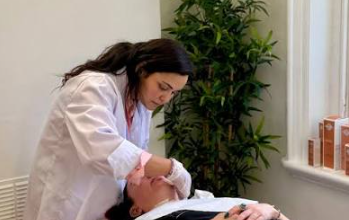
Swollen ankles that blend into your calves can feel like a personal betrayal. You notice it first in the mirror or when your favorite shoes stop fitting. That puffiness isn’t just a cosmetic concern. It often signals something your body’s trying to tell you. Whether it’s water retention, circulation issues, or something more specific, understanding what causes cankles matters before seeking the right treatment options.
Understanding Cankles and Why They Happen
Cankle treatment in Los Angeles has become increasingly accessible as more people recognize this as a legitimate health concern rather than a weight issue. The condition affects people of all sizes and fitness levels. What matters most is understanding whether your swelling stems from lifestyle factors, underlying health conditions, or structural issues. This distinction shapes which treatment path makes sense for your situation.
Your Treatment Options in Los Angeles
Los Angeles residents have access to various approaches for managing ankle swelling. Some focus on self-care strategies that reduce fluid buildup and improve circulation. Others involve professional interventions designed to address root causes more directly. The right choice depends on your specific situation, how long you’ve had the swelling, and what triggered it in the first place.
How Daily Habits Impact Swelling
Your daily habits play a larger role than you might think. Sitting for extended periods allows fluid to pool in your lower legs. Standing all day without movement can worsen swelling. Salt intake directly influences water retention in your body. Moving regularly, elevating your legs, and reducing sodium consumption often produce noticeable results within days or weeks for many people.
The Role of Compression Therapy
Compression therapy represents one of the most straightforward interventions available. Graduated compression socks or sleeves apply consistent pressure that encourages fluid movement back toward your heart. The pressure works systematically, starting stronger at the ankle and gradually decreasing up the leg. Many people see improvement when wearing compression consistently throughout the day, particularly if they combine it with elevation and movement breaks.
When to Seek Professional Assessment
Professional assessment becomes important when home remedies don’t deliver results. A healthcare provider can check your circulation, evaluate for venous insufficiency, and rule out conditions like lymphatic dysfunction that require specialized attention. These evaluations help distinguish between simple fluid retention and problems needing more targeted intervention.
Lymphatic Drainage and How It Works
Lymphatic drainage techniques represent another approach gaining attention in Los Angeles clinics. Manual lymphatic drainage involves specific massage movements that stimulate your lymphatic system to clear excess fluid. This isn’t a regular massage. The technique follows your body’s lymphatic pathways to encourage drainage toward functioning lymph nodes. Some people experience a noticeable reduction in swelling after a series of sessions.
See also: Enhancing Mental Health Treatment Approaches in Texas
Dietary Changes That Reduce Swelling
Diet modifications can make a real difference in managing swelling. Reducing processed foods automatically cuts sodium intake. Increasing potassium through foods like bananas, spinach, and sweet potatoes helps balance fluid levels. Staying properly hydrated seems counterintuitive, but dehydration actually prompts your body to retain water. These aren’t quick fixes, but they address underlying causes rather than just symptoms.
Exercise and Movement Strategies
Physical activity specifically targeting your calves and ankles strengthens the muscles that pump fluid upward against gravity. Simple exercises like calf raises, ankle circles, and walking activate the muscle pump that prevents fluid pooling. Just fifteen minutes of intentional movement several times daily can reduce swelling noticeably over time.
Medications and Hormonal Influences
Some people find that certain medications or hormonal changes contribute to their ankle swelling. Birth control pills, blood pressure medications, and hormonal fluctuations can all increase fluid retention. If you suspect medication-related swelling, discussing alternatives with your doctor matters. Sometimes a simple adjustment resolves the issue entirely.
Advanced Non-Invasive Treatment Options
Non-invasive treatments like radiofrequency or ultrasound therapy have emerged for cases where conservative measures fall short. These technologies aim to improve skin appearance and potentially enhance underlying tissue quality without incisions or downtime. Results vary, and they work best when combined with ongoing lifestyle modifications rather than as standalone solutions.
Addressing Structural and Biomechanical Issues
When swelling stems from structural issues like flat feet or abnormal ankle alignment, physical therapy addresses the root problem. Custom orthotics or specific exercises can correct biomechanical patterns contributing to swelling. This approach takes longer to show results, usually several weeks, but it prevents the problem from returning.
Supplements and Their Role in Treatment
Dietary supplements deserve mention, though evidence remains mixed for most options. Some people report improvement with supplements supporting circulation or reducing inflammation. Quality and consistency matter tremendously with supplements, and discussing options with a healthcare provider ensures safety alongside other treatments or medications.
Setting Realistic Timelines for Results
Your treatment timeline matters for setting realistic expectations. Simple water retention might improve within days with compression and elevation. Structural or circulation-related swelling typically requires weeks of consistent effort before meaningful change appears. Conditions needing professional intervention often show gradual improvement over months as treatment addresses underlying causes.
Building Sustainable Long-Term Habits
Lifestyle integration determines long-term success more than any single treatment. The most effective approach combines movement, compression when needed, dietary awareness, and elevation during rest periods. People who commit to these habits see sustained improvement. Those expecting one treatment to solve the problem without ongoing effort usually become disappointed.
Finding the Right Healthcare Provider
Your Los Angeles healthcare options span from primary care physicians to vascular specialists and dermatologists focused on appearance. Physical therapists address movement and structural factors. Lymphatic specialists offer drainage techniques. Starting with your regular doctor provides a clear baseline and rules out serious conditions before exploring specialized treatments.
Prevention Strategies After Treatment
Prevention matters just as much as treatment. Once you’ve dealt with significant swelling, maintaining habits that prevented it in the first place keeps it from returning. This means staying active, watching salt intake, elevating legs regularly, and wearing graduated compression socks when circumstances promote swelling.
Identifying the Root Cause Matters
Understanding your swelling shapes every treatment decision moving forward. Water retention needs different approaches than poor circulation or structural issues. Taking time to identify what’s actually causing the cankles, whether through self-observation or professional assessment, saves time and frustration trying ineffective solutions. Your body responds best to treatment targeting actual causes rather than just symptoms.
Staying Motivated Through Gradual Progress
The swelling you see today didn’t develop overnight, so realistic expectations about treatment timelines matter for staying motivated. Most people notice gradual improvement when combining multiple approaches rather than relying on one solution. Consistency beats intensity when managing this condition. Small daily habits compound into significant changes over weeks and months.
Taking Your Next Steps
Your journey with the treatment for cankle, in Los Angeles starts with an honest assessment of what you’re experiencing and why. From there, you can choose approaches matching your situation and commitment level, whether you prioritize quick cosmetic improvement or addressing underlying health factors that shape which treatments make sense. Either way, options exist for managing this frustrating condition effectively.