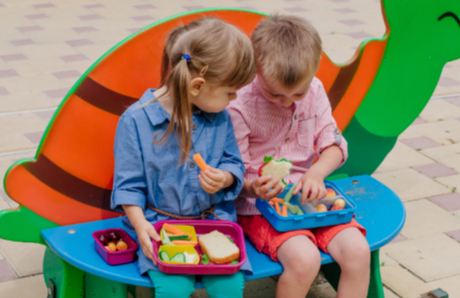
Children’s growth and development depend heavily on the habits they practice every day at home. Parents are the primary role models, shaping routines that influence physical strength, emotional balance, and mental clarity. According to TheWeeklyHealthiness, small daily actions—such as balanced meals, quality sleep, and emotional support—can create a powerful foundation for lifelong wellness. When healthy habits are introduced early, children are more likely to grow into confident, resilient, and healthy adults.
The Importance of a Structured Daily Routine
A consistent daily routine provides children with a sense of security and predictability. Knowing what to expect helps reduce anxiety and improves emotional stability. Simple routines like regular wake-up times, meal schedules, and bedtime rituals support both physical health and mental discipline.
Structured routines also improve focus and time management skills. Children who follow predictable schedules often perform better academically and show fewer behavioral issues because their minds and bodies are well-regulated.
Balanced Nutrition for Strong Bodies and Minds
Nutrition plays a vital role in children’s physical development and brain function. A balanced diet rich in fruits, vegetables, whole grains, lean proteins, and healthy fats fuels growing bodies and supports cognitive performance. Poor nutrition, on the other hand, can lead to fatigue, weakened immunity, and concentration problems.
Parents should encourage home-cooked meals and limit processed foods high in sugar and artificial additives. Involving children in meal planning and preparation also helps them develop a positive relationship with food and healthy eating habits.
Encouraging Regular Physical Activity
Physical activity is essential for building strong muscles, bones, and cardiovascular health. Children should be encouraged to move their bodies daily through play, sports, or simple activities like walking or cycling. Exercise also releases endorphins, which improve mood and reduce stress.
Limiting sedentary time, especially screen time, helps prevent obesity and promotes better sleep patterns. Active children are often more energetic, confident, and emotionally balanced.
Quality Sleep and Its Impact on Development
Sleep is often overlooked but is crucial for children’s growth and mental health. During sleep, the body repairs tissues, strengthens the immune system, and supports brain development. Lack of sleep can result in irritability, poor concentration, and weakened immunity.
Parents should establish calming bedtime routines and ensure children get age-appropriate sleep. A quiet, screen-free sleep environment significantly improves sleep quality and overall well-being.
Emotional Support and Open Communication
Children need emotional safety just as much as physical care. When parents listen attentively and validate their children’s feelings, it builds trust and emotional intelligence. Open communication helps children feel understood and supported during challenging situations.
Encouraging children to express emotions without fear of judgment strengthens their mental resilience. Emotionally supported children are better equipped to manage stress and build healthy relationships.
Teaching Stress Management Skills Early
Modern children face stress from academics, social expectations, and digital exposure. Teaching stress management skills early is essential for long-term mental health. Techniques such as deep breathing, mindfulness, and positive self-talk help children calm their minds.
Resources like TheWeeklyHealthiness often emphasize guiding children toward healthy coping strategies instead of avoidance. Creative activities such as drawing, music, or journaling also provide safe emotional outlets.
Limiting Screen Time and Encouraging Real-Life Interaction
Excessive screen time can negatively impact sleep, attention span, and social skills. While technology has educational benefits, it should be balanced with real-world interactions. Parents should set clear screen-time limits and encourage outdoor play and family activities.
Spending quality time together strengthens family bonds and helps children develop communication and social skills that screens cannot replace.
Building Healthy Social Skills
Social interaction plays a key role in emotional development. Children learn empathy, cooperation, and conflict resolution through relationships with peers and family members. Parents can support social growth by encouraging group activities and teaching respectful communication.
Positive social experiences boost self-esteem and reduce feelings of loneliness or anxiety. Children who feel socially connected are generally happier and more emotionally stable.
The Role of Positive Reinforcement
Positive reinforcement helps children understand which behaviors are healthy and desirable. Praising effort rather than perfection encourages growth and confidence. When children feel appreciated, they are more motivated to maintain good habits.
Avoiding harsh criticism and focusing on constructive feedback creates a supportive environment where children feel safe to learn and grow.
Leading by Example
Children often imitate their parents’ behavior. When parents practice healthy habits—such as exercising, eating well, managing stress, and communicating openly—children naturally follow. Leading by example is one of the most effective parenting strategies.
By modeling balance and self-care, parents teach children that health is a lifelong priority, not a temporary goal.
Conclusion
Healthy daily habits shape children’s physical, emotional, and mental development. Through proper nutrition, physical activity, emotional support, structured routines, and stress management, parents can create a nurturing environment that promotes overall well-being. When these habits are consistently practiced, children grow into strong, confident, and resilient individuals ready to face life’s challenges with balance and positivity.