Many people are surprised to learn just how important healthy gums are for maintaining a secure, stable smile. While it’s easy to focus solely on brushing teeth, proper gum care is crucial for keeping teeth anchored in place. When gum health is ignored, serious issues such as loose teeth and even tooth loss can develop over time. Understanding this vital relationship is the first step towards safeguarding your overall oral health and preventing long-term dental complications.
Gum tissues provide the foundation that holds teeth in place. When they are strong and infection-free, teeth remain stable and functional. Conversely, neglecting your gums can set the stage for disease, discomfort, and complications that threaten your ability to chew, speak, and smile with confidence.
Unfortunately, many people do not realize how quickly gum health can deteriorate if left unchecked. Continuous neglect can result in the breakdown of the underlying bone, leading to painful dental emergencies and costly procedures. Early awareness and proactive measures can save you from significant discomfort and preserve your healthy smile for years to come.
Learning the warning signs and prevention strategies for gum disease gives you the power to defend your dental stability. The stronger your gums, the more secure your teeth will be throughout your life. To learn more about gum health and overall oral wellness, reputable sources such as the American Dental Association offer extensive guides and educational materials for patients.
Understanding Gum Disease
Gum disease, or periodontal disease, refers to an ongoing infection of the tissues surrounding and supporting your teeth. Its earliest stage, gingivitis, often begins quietly with minor symptoms such as redness and mild bleeding. If left untreated, gingivitis can progress to periodontitis. This more advanced stage leads to the destruction of gum tissue and jawbone, dramatically increasing the risk of tooth instability and loss.
The main culprit behind gum disease is poor oral hygiene. Plaque, a sticky biofilm of bacteria, accumulates on the teeth and along the gumline when brushing and flossing are not done consistently. Over time, this buildup hardens into tartar and triggers the body’s inflammatory response, which can break down the very tissues and bone that anchor teeth.
See also: Comparing Infusion Methods in Modern Healthcare
How Gum Health Affects Tooth Stability
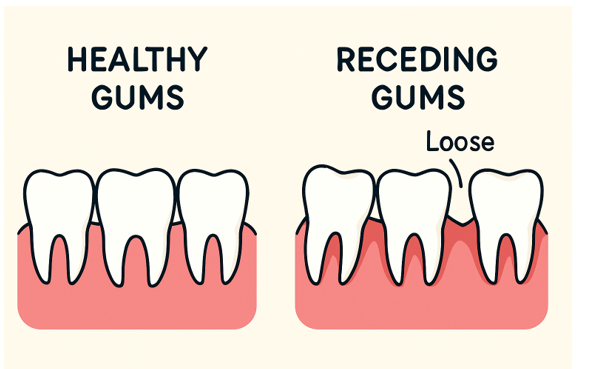
Gums play a critical role in supporting and protecting the teeth. Healthy gums act as a tight seal around each tooth, preventing harmful bacteria from reaching deeper structures. When gum disease takes hold, this seal weakens, and gaps, called periodontal pockets, can form. Within these pockets, bacteria flourish and gradually erode the supporting bone and connective tissue. The result is that teeth may begin to loosen, shift, or even fall out entirely.
Research from the Centers for Disease Control and Prevention (CDC) shows that nearly half of adults aged 30 and older have some form of gum disease. Among older adults, the prevalence is even higher, highlighting the need for persistent attention to gum care at every age.
Signs of Compromised Gum Health
Catching gum disease early gives you the best chance of preventing tooth loss. Some of the warning signs include:
- Gums that are red, swollen, or tender to the touch
- Bleeding while brushing or flossing
- Persistent bad breath that does not improve with brushing
- Gum recession (gums pulling away from the teeth, exposing more of the tooth surface)
- Loose, wiggling, or shifting teeth
If you spot any of these issues, schedule an appointment with a dental professional promptly. Early intervention can stop gum disease from causing permanent damage.
Preventing Gum Disease
Routine care and good habits are essential for preventing gum disease. Key strategies include brushing teeth twice daily with fluoride toothpaste, flossing daily to remove plaque between teeth, and visiting a dentist for regular cleanings and check-ups. Quitting smoking and using tobacco products is crucial as they accelerate gum damage. Additionally, maintaining a balanced diet rich in vitamins and nutrients supports immune function and oral tissue health.
The Broader Health Implications
The impact of gum disease stretches beyond the mouth. Researchers continue to uncover links between chronic gum inflammation and conditions such as heart disease, diabetes, respiratory illnesses, and stroke. For example, a recent study published in ScienceDaily highlighted that individuals with both cavities and gum disease had a significantly higher risk of suffering a stroke compared to those with healthy mouths.
What happens in the mouth may have rippling effects throughout the whole body. Taking steps to prevent gum disease could also help lower the risk of a variety of serious health problems.
Seeking Professional Care
Routine visits to your dentist are vital for early diagnosis and targeted treatment of gum issues. Dental professionals can perform cleanings to remove tartar buildup that you cannot address at home and track any changes in your gum health. At the first sign of gum problems, seeking professional care can prevent complications and save your teeth.
Conclusion
Healthy gums are the cornerstone of lasting tooth stability. With a combination of conscientious oral hygiene, awareness of warning signs, and regular dental appointments, you can protect your gums and, in turn, secure your teeth for a lifetime. A strong, beautiful smile truly begins with excellent gum health, making it a priority for adults of all ages.