A confident smile can change the way people show up in photos, at work and in everyday conversations. That is why more patients are asking their dentist about a smile makeover, a personalized plan that combines several cosmetic and restorative treatments. The field has moved quickly over the past decade. Digital scans, new ceramic materials and a stronger focus on natural results have reshaped what a makeover looks like. Here is what drives aesthetic dentistry today and how to approach the process with realistic expectations.
What a Smile Makeover Really Involves
A smile makeover is not a single procedure. It is a treatment plan built around the patient’s face, bite and goals. Depending on the case, it may combine whitening, orthodontics, bonding, crowns or porcelain veneers. Behind many of the most natural results sits a close partnership between the dentist and a dental veneers lab that designs and crafts each restoration to match the shade, shape and translucency of real enamel.
The process usually starts with a detailed consultation. The dentist examines the teeth and gums, takes photographs and discusses what the patient likes and dislikes about their smile. Health always comes first, so cavities, gum disease or bite problems are treated before any cosmetic work begins. Skipping that step can shorten the life of even the best restorations.
The Shift Toward Natural Looking Results
The bright, uniform smiles that dominated the early 2000s have fallen out of favour. Patients now ask for teeth that look healthy rather than artificial. That means subtle variations in colour, slightly softer edges and proportions that suit the face. A smile that looks perfect in isolation can feel wrong if it ignores the shape of the lips or the width of the face.
Dentists and technicians increasingly talk about smile design rather than simply fixing teeth. They look at the midline, the curve of the upper teeth and how much tooth shows when the patient speaks or laughs. These details help produce results that friends notice as a fresher look, without immediately guessing that dental work was done.
Digital Smile Design and Mock Ups
Digital tools have changed the planning phase completely. Intraoral scanners replace messy impression trays, and design software lets the team build a virtual version of the new smile. Patients can see a preview on screen, ask for adjustments and approve the plan before any tooth is prepared. That visual step removes much of the uncertainty people once felt.
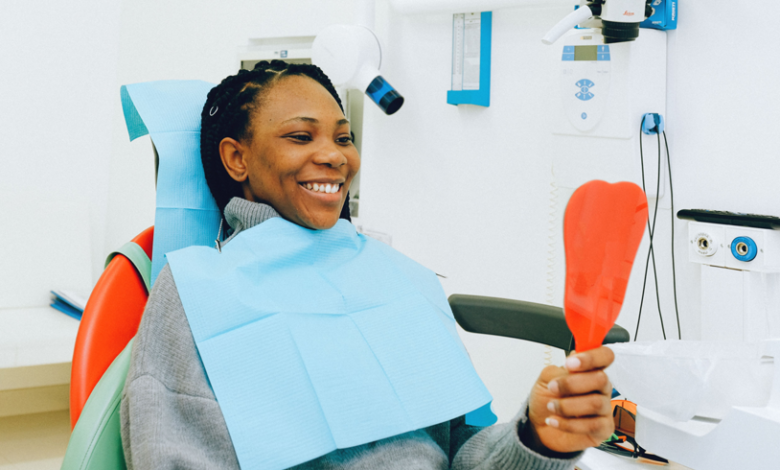
Many clinics go further with a physical mock up. Using a temporary resin, the dentist places the proposed design directly over the natural teeth for a test drive. The patient can check how it looks in the mirror, how it feels when speaking and whether the length suits their face. Changes at this stage are quick and inexpensive.
Minimally Invasive Veneers
Traditional veneers sometimes required removing a noticeable amount of enamel. Today, many cases can be treated with ultra thin porcelain that needs little or no preparation. Preserving natural tooth structure keeps the teeth stronger and leaves more options open for the future, which matters for younger patients who may need further work decades later.
Not every case qualifies for a no prep approach. Teeth that are crowded, very dark or pushed forward may still need some shaping to avoid a bulky result. A careful assessment by the dentist, supported by the digital plan, helps decide how much preparation is truly necessary instead of applying the same technique to every patient.
See also: Comparing Infusion Methods in Modern Healthcare
Porcelain or Composite
Composite bonding is applied directly in the chair and usually costs less. It works well for small chips, gaps or minor shape changes. Porcelain veneers are made in a lab, resist staining better and tend to last longer. The choice depends on budget, the extent of the changes and how much maintenance the patient is ready to accept.
Whitening and Orthodontics as First Steps
Some patients reach their goals without veneers at all. Professional whitening can lift the shade of healthy teeth in a few visits, while clear aligners straighten mild crowding without metal brackets. Treating alignment first often reduces the number of teeth that need restorations, which saves money and natural enamel.
Timing matters when several treatments are combined. Whitening should happen before any crowns or veneers are made, since ceramics do not change colour afterward. Likewise, orthodontic movement needs to be finished and stable before final restorations are bonded. A clear sequence avoids having to redo costly work.
Materials and Craftsmanship Behind the Scenes
Modern ceramics such as lithium disilicate and layered zirconia offer an impressive balance of strength and beauty. Yet material alone does not guarantee a natural look. Skilled technicians add character by layering porcelain, adjusting surface texture and reproducing the subtle translucency found at the edge of real teeth.
Computer aided design and milling bring precision and consistency, while hand finishing adds the final touch that makes each tooth look unique. The best outcomes come from regular communication between clinic and lab, including photographs, shade notes and feedback after the try in.
Caring for Your New Smile
Veneers and crowns are durable, but they are not indestructible. Daily brushing, flossing and regular hygiene visits keep the gums healthy around the margins. Patients who grind their teeth at night are often advised to wear a custom guard, which protects both the restorations and the natural teeth underneath.
With good habits, porcelain restorations can last many years before needing replacement. Avoiding hard objects such as ice or pen caps and limiting heavy staining drinks helps preserve the result. A smile makeover is an investment, and like any investment, it rewards a little ongoing attention.