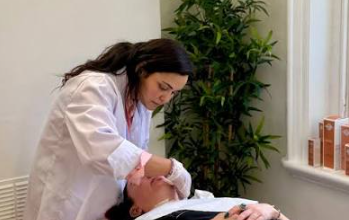
Bangkok is a popular destination for international visitors interested in healthcare, wellness, and modern medical services. In recent years, peptides have also received attention in the health and wellness industry. Many people search for information about Peptides in Bangkok to understand their uses, possible benefits, safety, and medical regulations in Thailand.
Peptides are small chains of amino acids that play different roles in the human body. Some approved peptide-based medicines are used to treat medical conditions, while other products are promoted for fitness, weight management, and skin health.
However, not every peptide product is approved or supported by strong scientific evidence. Understanding the difference is important before making any healthcare decision.
What Are Peptides?
Peptides are short chains of amino acids. Amino acids are the building blocks of proteins and help the body perform many important functions.
Some peptides work as signals that help control different processes in the body.
Common areas of medical and scientific research include:
- Hormone regulation
- Metabolism and energy use
- Blood sugar control
- Skin health
- Immune system activity
- Tissue repair
Some peptide-based medicines have approved medical uses. Others are still being studied, and their safety and effectiveness are not fully established.
Why Are Peptides Getting Attention in Bangkok?
Bangkok has a well-known healthcare and medical tourism industry. International visitors travel to the city for medical consultations, health screenings, cosmetic services, and other healthcare needs.
Interest in Peptides in Bangkok has also grown because of online wellness discussions and social media.
Some common reasons people research peptide-related treatments include:
- Learning about medical weight management.
- Understanding hormone-related treatments.
- Exploring skin and cosmetic medicine.
- Researching fitness and recovery claims.
- Finding reliable information about peptide safety.
- Understanding available medical services in Thailand.
It is important to remember that popularity does not prove that a treatment works.
See also: How Professional Design Boosts Business Success
Common Types of Peptides
Different peptides have different functions. Some are used in approved medicines, while others remain experimental.
1. GLP-1 Peptides
GLP-1 medicines are commonly discussed in relation to blood sugar management and weight management.
Some approved medicines in this category are prescribed for specific medical conditions.
Important points include:
- They require medical assessment.
- They may cause digestive side effects.
- They are not suitable for everyone.
- Their use should be supervised by a qualified doctor.
2. Collagen Peptides
Collagen peptides are commonly found in dietary supplements.
They are promoted for skin, hair, nails, and joint health.
However, results can vary, and supplements should not replace a balanced diet or medical treatment.
3. BPC-157
BPC-157 is an experimental peptide often discussed online in relation to tissue repair and recovery.
However, strong human clinical evidence supporting its safety and effectiveness is lacking.
It should not be treated as an approved medical treatment.
4. GHK-Cu
GHK-Cu is a copper-containing peptide studied for its possible role in skin biology.
It is discussed in cosmetic and skincare research.
Research findings do not automatically mean that every product containing this ingredient is safe or effective.
5. TB-500
TB-500 is another peptide discussed in fitness and recovery communities.
Its claimed benefits have not been established through sufficient high-quality human research.
Consumers should be careful about products making strong recovery or performance claims.
Are Peptides Legal in Bangkok?
Understanding local regulations is important for anyone researching Bangkok Peptides.
Thailand regulates medicines through its Drug Act and the Thai Food and Drug Administration (Thai FDA).
The legal status of a peptide depends on the specific substance, product registration, intended use, and applicable regulations.
Some important points include:
- Approved medicines must meet relevant regulatory requirements.
- Certain injectable medicines require a doctor’s prescription.
- Unregistered products should not be assumed to be legal or safe.
- Products labelled for research purposes are not automatically approved for human use.
- Importing or selling medicines without the required authorization can create legal problems.
In September 2026, Thai authorities announced a major seizure involving unregistered peptide injections promoted for weight loss. Officials warned consumers about unknown ingredients, product quality, and infection risks.
This shows why checking product registration and medical authorization is important.
Are Peptides Safe?
Peptide safety depends on the specific substance, its quality, medical purpose, and the person using it.
Approved peptide medicines have undergone regulatory assessment for their authorized uses. Unapproved products may have unknown ingredients, incorrect labels, or poor manufacturing standards.
Potential concerns include:
- Allergic reactions.
- Unexpected side effects.
- Contamination.
- Infection from non-sterile injections.
- Incorrect product ingredients.
- Interactions with other medicines.
Injectable products require particular caution because contamination can lead to serious health complications.
Anyone considering a peptide-based medicine should speak with a qualified healthcare professional first.
How to Choose a Reliable Medical Provider in Bangkok
People researching peptide-related healthcare should focus on medical safety rather than promotional claims.
Consider these points before choosing a healthcare provider:
1. Check Medical Credentials
Make sure the healthcare professional has appropriate qualifications and a valid medical licence.
2. Ask About Product Approval
Ask whether the medicine is registered with the Thai FDA and approved for the intended medical use.
3. Request a Medical Consultation
A qualified doctor should review your medical history, current medications, and health needs before recommending treatment.
4. Understand Possible Side Effects
Ask about known risks, limitations, and alternative treatment options.
5. Avoid Unverified Sellers
Be careful with products promoted through social media, gyms, private messaging groups, and websites making unrealistic health claims.
A low price or attractive advertisement does not guarantee product quality.
Peptides in Bangkok for International Visitors
International visitors may have additional questions about healthcare in Thailand.
Before travelling for a medical consultation, consider the following:
- Research the healthcare provider.
- Check whether the clinic has qualified medical professionals.
- Ask about consultation fees.
- Keep copies of your medical records.
- Check travel insurance conditions.
- Understand the rules for carrying prescription medicines across borders.
Do not assume that a medicine available in one country can legally be purchased or imported into another country.
Visitors should check the relevant regulations before travelling with medication.
Frequently Asked Questions
1. What are peptides used for?
Peptides have different functions in the body. Some approved medicines are used for diabetes and other medical conditions, while other peptides are still being researched.
2. Are peptides available in Bangkok?
Bangkok has healthcare facilities and pharmacies that provide approved medicines. Availability depends on the specific product, medical requirements, and Thai regulations.
3. Are peptide injections safe?
Some approved peptide medicines can be used safely under medical supervision. Unapproved injections may contain unknown ingredients or harmful contaminants.
4. Do peptides help with weight management?
Certain approved GLP-1 medicines are used for weight management in eligible patients. They require medical assessment and should only be used under appropriate supervision.
5. Are all peptides approved by the Thai FDA?
No. Different peptides have different regulatory statuses. Some are approved medicines, while others are unregistered or experimental products.
6. Can international visitors consult doctors in Bangkok?
Yes. International visitors can seek medical consultations in Thailand, subject to the healthcare provider’s requirements and applicable medical regulations.
7. Should I buy peptides online in Thailand?
Buying unverified peptide products online can be risky. Product ingredients, quality, and registration may not be reliable. Consult a qualified medical professional instead.
Final Thoughts
Interest in Peptides in Bangkok reflects the growing discussion around modern medicine, wellness, and medical research.
However, it is important to separate scientifically supported treatments from experimental products and marketing claims.
Bangkok offers a range of healthcare services, but patients should always check medical qualifications, product registration, and safety information before considering any treatment.
Making informed healthcare decisions with a qualified doctor is much safer than relying on social media promotions or unverified products.