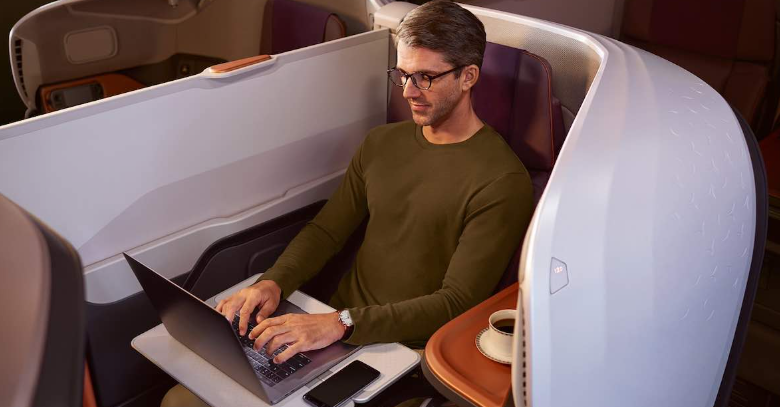
The substantial price differential between economy and premium cabins often shocks travelers researching international flights, with business class commanding multiples of economy fares that seem difficult to justify purely through enhanced comfort. Understanding what drives premium pricing, which components deliver genuine value versus marketing positioning, and how business class ticket price structures vary across routes and carriers helps travelers make informed decisions about when premium investments make sense versus when economy represents more rational choice.
Premium cabin economics involve complex calculations balancing development costs for sophisticated seating, reduced passenger density sacrificing potential revenue, enhanced service delivery requiring additional crew and catering investments, and brand positioning leveraging exclusivity for pricing power. These factors combine creating ticket prices that might seem excessive when comparing physical space and services received, yet reflect genuine cost structures airlines face delivering elevated experiences throughout travel journeys.
The question isn’t whether business class objectively justifies specific price points—value remains inherently subjective depending on individual financial circumstances, physical needs, travel purposes, and personal comfort priorities. Rather, informed travelers understanding pricing dynamics and value components make rational decisions aligning expenditures with circumstances, booking premium when advantages justify costs while confidently choosing economy when premium pricing exceeds personal value thresholds.
Analyzing Price Structures Across Route Categories
Transatlantic business class between North America and Europe typically ranges from $2,000 to $5,000 roundtrip depending on specific city pairs, travel dates, booking timing, and carrier selection. According to The Points Guy, this pricing reflects moderate distances, high competition on many routes, and substantial passenger volumes enabling airlines to fill premium cabins without excessive discounting. Peak season and holiday travel can push prices substantially higher, while shoulder season deals occasionally dip below typical ranges.
Transpacific routes connecting North America to Asia generally command $3,000 to $8,000 roundtrip reflecting longer distances, higher operating costs, and sometimes less competitive route structures than heavily contested transatlantic corridors. Ultra-long-haul routes including US-Australia or US-India often reach upper ends of pricing ranges due to operational complexity, extended flight times requiring more crew, and limited competition on many city pairs.
Domestic US business class exists primarily on transcon routes and costs typically $400 to $1,200 roundtrip representing modest premiums over economy. The relatively short distances and lack of lie-flat seating on most domestic aircraft means premium cabin differentiation remains limited compared to international service, resulting in more modest pricing reflecting reduced product differences between cabins.
Short-haul international routes to Caribbean, Mexico, or Central America see business class pricing of $600 to $2,000 roundtrip, with premiums sometimes difficult to justify given brief flight times. However, travelers valuing priority services, lounge access, and avoiding crowded economy cabins sometimes find premiums worthwhile even when lie-flat seating and extended services don’t apply due to short distances.
Understanding Cost Components Behind Premium Pricing
Seat costs represent substantial investments with modern business class seats costing $50,000 to $150,000 per unit depending on sophistication, featuring complex mechanisms enabling lie-flat conversion, electronic controls, storage integration, and entertainment system mounting. While these costs amortize across years of service, the capital intensity of premium cabin outfitting significantly exceeds economy seating installation costs.
Passenger density implications mean business class occupies 2-3 times the floor space per passenger compared to economy, sacrificing potential revenue from additional economy passengers who could occupy the same physical area. This opportunity cost factors into premium pricing as airlines must generate sufficient revenue from fewer premium passengers to offset foregone income from additional economy seats that could fit in equivalent space.
Enhanced catering expenses for multi-course meals, premium beverages, and improved presentation quality substantially exceed economy food costs. While exact figures vary, premium cabin catering might cost $50-$100 per passenger versus $10-$20 for economy, reflecting both ingredient quality and preparation complexity. These recurring expenses directly affect operational costs airlines must recover through ticket pricing.
Additional crew requirements for providing attentive premium service add labor costs beyond economy operations. While precise staffing varies by carrier and route, enhanced service standards demand more flight attendants per passenger in premium cabins compared to economy ratios. These labor expenses particularly impact airlines in high-wage markets where crew costs represent substantial operational line items.
Comparative Value Analysis Across Fare Classes
Premium economy represents an intermediate option providing enhanced comfort through increased pitch, width, and recline with upgraded meals and priority services at prices typically 50-100% above economy but substantially below business class. For daytime flights or travelers who don’t fully recline, premium economy often delivers optimal value combinations avoiding economy crowding without full business class premiums.
Business class delivers lie-flat capabilities, substantially enhanced dining, lounge access, and priority services commanding premiums of 300-500% over economy fares. For overnight flights exceeding 8-10 hours, the ability to sleep comfortably often justifies premiums through arrival energy enabling productive first days rather than losing time to jet lag recovery. Business travelers particularly find value as comfortable rest enables immediate work engagement upon arrival.
First class costs typically run 150-250% of business class prices while delivering relatively modest comfort improvements over modern business class products featuring direct aisle access and lie-flat beds. Incremental enhancements including more space, enhanced dining, premium champagne, and sometimes unique amenities like onboard showers or private suites appeal to luxury travelers though economic value propositions become increasingly difficult to justify beyond business class.
Economy pricing provides baseline comparison enabling percentage premium calculations for higher cabins. Understanding that business class might cost three to five times economy fares creates context for value assessments—is premium experience worth triple or quintuple economy cost for specific journeys? Individual answers vary based on financial capacity, physical needs, trip purpose, and personal preferences regarding travel comfort priorities.
See also: A Human Look at Business Travel Insurance in Australia
Seasonal and Demand-Based Price Variations
Peak season premiums during summer vacations, winter holidays, and major festivals drive business class pricing to upper ranges or beyond typical levels as demand from both leisure and business travelers concentrates during these periods. Holiday season business class might cost 50-100% more than identical routes during shoulder seasons, reflecting supply-demand dynamics where limited inventory faces elevated booking pressure.
Shoulder season opportunities in spring and fall often combine reasonable destination weather with reduced demand creating more accessible premium pricing. Airlines attempting to maintain load factors during traditionally slower periods sometimes discount business class substantially, creating opportunities for value-conscious premium travelers willing to avoid absolute peak travel times.
Last-minute pricing varies unpredictably with some airlines maintaining high prices hoping to capture urgent business travel while others discount remaining inventory approaching departure. This inconsistency means last-minute premium purchases represent gambles potentially yielding exceptional deals or excessive costs depending on specific circumstances and airline strategies for particular flights.
Off-peak day-of-week variations show mid-week departures typically costing less than Thursday, Friday, or Sunday flights when business and leisure demand concentrates. Tuesday and Wednesday business class pricing often provides optimal values for travelers with flexible scheduling able to structure trips around these traditionally lower-demand days.
Route Competition and Pricing Power Dynamics
Heavily contested routes with multiple carrier competition typically feature more aggressive pricing and frequent promotional fares as airlines battle for market share. Transatlantic corridors between major city pairs often see competitive pressure driving business class to lower ranges, while routes with single-carrier dominance enable pricing power, maintaining elevated fares with limited discounting.
Hub connectivity affects pricing as airlines price aggressively for routes feeding their hubs with connecting passengers. Premium connecting itineraries sometimes cost less than nonstop alternatives despite longer travel times, reflecting airline desires maintaining hub traffic flows even at reduced per-segment yields.
Alliance dynamics influence competitive positioning with Star Alliance, Oneworld, and SkyTeam members coordinating some pricing while competing on service quality and loyalty benefits. Understanding alliance structures helps predict which routes face competitive pressure versus more cooperative pricing among partners sharing revenue on joint ventures.
Seasonal route additions during peak travel periods sometimes introduce temporary competition affecting pricing across carriers serving the same city pairs. Airlines adding flights for holiday seasons or summer demand might price aggressively filling new service, creating opportunities for travelers flexible regarding carrier selection.
Evaluating When Premium Pricing Makes Sense
Overnight long-haul flights exceeding 10-12 hours present strongest value cases for business class as comfortable sleep transforms exhausting ordeals into restful transits enabling productive arrival days. Travelers facing important business meetings, limited vacation time, or physical conditions making extended upright sitting uncomfortable often find premium investments worthwhile on these marathon routes.
Daytime short-haul flights under 6 hours rarely justify business class premiums for travelers without specific needs or simply seeking optimal value. Brief flight times mean limited opportunity for sleeping, reduced meal service importance, and less meaningful comfort difference accumulation compared to overnight long-haul where premium advantages compound throughout extended journeys.
Business travel with next-day obligations particularly benefits from premium cabin rest enabling effective functioning upon arrival rather than losing productivity to travel fatigue. When employer-covered or when professional productivity impacts justify personal expenditure, business class delivers functional rather than purely comfort benefits supporting career success.
Special occasion leisure travel including honeymoons, milestone anniversaries, or once-in-lifetime trips sometimes warrant premium expenditure as part of overall experience celebration. While pure economic value might not justify premiums, emotional and experiential value from special occasion travel differs from routine trip calculations.
Miles and Points Redemption Value Considerations
Award ticket valuations comparing required miles against cash ticket prices reveal business class typically delivers strongest redemption value given high cash prices. Economy awards might provide 1-2 cents per mile value while business class redemptions frequently deliver 3-5+ cents per mile, making premium cabin awards economically optimal uses of accumulated currency despite requiring more miles.
Saver versus standard award pricing distinctions affect redemption value calculations significantly. Saver level business class awards requiring 70,000-100,000 miles roundtrip to Europe or 120,000-180,000 to Asia deliver excellent value when compared to $3,000-$8,000 cash prices. Standard awards requiring 50-100% more miles diminish value though might remain worthwhile when cash prices are elevated or saver space unavailable.
Transfer bonuses from credit card programs to airline partners occasionally enable 20-40% bonus miles effectively reducing redemption costs. These periodic promotions enhance award value propositions, sometimes making standard award pricing deliver value comparable to saver level redemptions without bonuses. Monitoring for transfer bonuses enables strategic point movement timing maximizing ultimate redemption value.
Global Region Pricing Patterns
European business class from US markets benefits from high competition, dense route networks, and substantial passenger volumes creating relatively accessible pricing particularly during shoulder seasons or promotional periods. Roundtrip transatlantic business class under $2,500 represents an achievable target with strategic booking though peak season or last-minute purchases might exceed $4,000-$5,000.
Asian routes command premiums reflecting longer distances, higher operating costs, and sometimes limited competition on specific city pairs. Transpacific business class typically starts around $3,000 and extends to $7,000+ depending on destinations, with Southeast Asia generally costing less than Northeast Asia from US origins.
Middle Eastern and African destinations via Middle Eastern carrier hubs often provide competitive pricing despite long distances as Emirates, Qatar Airways, and Etihad leverage their geographic positioning and premium service reputations attracting passengers through attractive pricing combined with superior products. These routings sometimes deliver better value than European or Asian alternatives despite comparable or longer distances.
South American routes face limited competition on many city pairs enabling airlines to maintain elevated pricing. Business class to Brazil, Argentina, or Chile might cost $4,000-$6,000+ reflecting operational complexity, limited frequency, and market dynamics favoring pricing power over aggressive competition.
Premium Cabin Price Trends and Future Outlook
Unbundling acceleration continues with basic business class fares offering minimal flexibility while flexible premium tickets command substantial surcharges. This segmentation enables airlines to advertise lower starting prices while maintaining or increasing revenue through ancillary fees and premium fare class uptake from travelers needing flexibility.
Premium economy proliferation provides intermediate options affecting business class positioning and pricing. As more travelers discover the premium economy delivers sufficient comfort for their needs, business class must justify higher price points through meaningful differentiation, potentially limiting pricing power versus eras when only economy and business classes existed.
Dynamic pricing sophistication increases enabling airlines to micro-segment passengers and extract maximum willingness to pay from each booking. While potentially raising average prices, this evolution also creates more deals for strategic travelers timing purchases optimally and maintaining flexibility enabling capture of brief promotional windows.
Sustainability initiatives including carbon pricing and operational modifications reducing emissions will likely affect costs and consequently ticket pricing across all cabins. Premium cabins generating higher per-passenger emissions might face proportionally larger increases as environmental costs internalize, though exact impacts remain uncertain pending regulatory developments and industry adaptation.
Conclusion: Informed Value Assessments Enable Optimal Decisions
Business class ticket prices reflect complex cost structures, market dynamics, and value propositions that warrant careful evaluation rather than blanket acceptance or rejection. Understanding pricing components, comparative value across fare classes, and circumstances where premiums make sense versus when economy provides superior value enables travelers to make informed decisions aligned with individual priorities and circumstances.
The question isn’t whether business class objectively justifies specific prices—value remains inherently personal depending on financial resources, physical needs, travel purposes, and comfort preferences. Rather, armed with comprehensive pricing knowledge and value framework understanding, travelers confidently make choices optimizing their specific situations whether that means booking premium for important journeys or economizing for routine trips where comfort advantages don’t justify premiums.