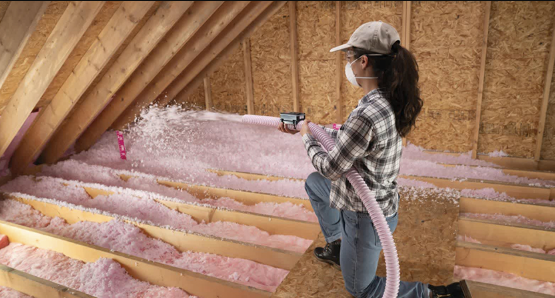
In the modern construction landscape, the concept of a “building” has evolved far beyond mere bricks and mortar. Today, a structure is a complex ecosystem that must provide safety, comfort, and efficiency to its occupants. Whether it is a residential complex in the heart of Valencia or a massive industrial warehouse in Alicante, the integrity of the building depends heavily on what lies within its walls and structures. This is where advanced insulation plays a pivotal role.
Building insulation is no longer just about keeping the cold out during winter. It has become a multi-faceted discipline encompassing fire protection, thermal regulation, and acoustic comfort. In Spain, these requirements are not just suggestions; they are strictly regulated by the Spanish Technical Building Code (CTE). Understanding how to implement these solutions effectively is essential for any developer, business owner, or homeowner looking to protect their investment and ensure the well-being of those inside.
The Critical Role of Fireproofing in Modern Construction
When we talk about building safety, fire protection is often the first concern that comes to mind. In the industry, this is known as passive fire protection . Unlike active systems like sprinklers or alarms, passive protection is built into the structure itself. Its primary goal is to contain a fire at its origin and prevent the structural collapse of the building, providing vital time for evacuation and emergency response.
Understanding the DB-SI Regulation
In Spain, the Basic Document on Fire Safety (DB-SI) of the CTE sets the standard for fire safety. This regulation mandates that building elements must have a specific level of fire resistance, often denoted as “R” (load-bearing capacity), “E” (integrity), and “I” (insulation). For example, a structural steel beam might need an R90 rating, meaning it must maintain its strength for at least 90 minutes during a fire.
Achieving these ratings requires specialized treatments known as fireproofing. Without these treatments, steel structures can lose their load-bearing capacity at temperatures as low as 500°C, leading to catastrophic failure long before the fire has fully consumed the building’s contents.
Common Fireproofing Materials and Techniques
There are several ways to achieve the necessary fire resistance, depending on the material of the structure and the specific requirements of the project:
- Intumescent Paints: These are specialized coatings that expand when exposed to high heat, forming a thick, carbonaceous char that insulates the steel from the fire. They are popular because they maintain the aesthetic appearance of the structure.
- Fire-Retardant Mortars: Often based on vermiculite or rock wool, these mortars are sprayed onto surfaces to provide a robust thermal barrier. They are highly effective for industrial settings where aesthetics are less of a priority than maximum protection.
- Fire-Resistant Panels: These are used to encase columns or create fire-rated partitions and ceilings. They offer a clean, dry-installation alternative to sprays and paints.
- Sealants and Collars: Fire can easily spread through gaps where pipes or cables pass through walls. Specialized firestop sealants and intumescent collars are essential to maintain the integrity of fire-rated compartments.
For those managing projects in the Valencian Community, seeking professional services for acusfoc.com is a critical step in ensuring that all industrial and commercial structures meet these rigorous safety standards.
Thermal Insulation: The Key to Energy Efficiency and Comfort
While fireproofing saves lives, thermal insulation saves money and the environment. In a country like Spain, where temperatures can soar in the summer and drop significantly in the winter, maintaining a stable indoor climate is a major challenge. The Basic Document on Energy Saving (DB-HE) of the CTE addresses this by setting strict limits on energy consumption and requiring high levels of thermal performance in building envelopes.
The Economic Impact of Proper Insulation
The most immediate benefit of high-quality thermal insulation is the reduction in energy bills. A well-insulated building requires significantly less energy for heating and cooling. This is particularly important for industrial buildings with large surface areas, where energy costs can be a major overhead. By investing in proper insulation, businesses can see a return on investment through lower utility costs within just a few years.
Environmental Responsibility
Beyond the financial savings, thermal insulation is a cornerstone of sustainable construction. By reducing energy demand, we decrease the carbon footprint of our buildings. This aligns with European directives aimed at achieving “Nearly Zero-Energy Buildings” (nZEB). Materials like mineral wool, expanded polystyrene (EPS), and polyurethane foam are commonly used to create a continuous thermal barrier, eliminating “thermal bridges” where heat can escape.
Improving Indoor Air Quality and Comfort
Thermal insulation also contributes to a healthier indoor environment. It helps prevent condensation on walls, which is the primary cause of mold and mildew growth. By maintaining consistent surface temperatures, insulation eliminates drafts and “cold spots,” making the space more comfortable for living or working.
Acoustic Insulation: Protecting Well-being in a Noisy World
In our increasingly urbanized society, noise pollution has become a significant health concern. Constant exposure to high noise levels can lead to stress, sleep disturbances, and reduced productivity. The Spanish building code addresses this through the Basic Document on Protection Against Noise (DB-HR).
The Science of Soundproofing
Acoustic insulation involves two main strategies: sound insulation (preventing sound from traveling between spaces) and sound absorption (reducing echoes and reverberation within a space).
- Airborne Noise: This includes voices, music, or traffic. It is mitigated using high-mass materials or “mass-spring-mass” systems, such as double-leaf partitions with mineral wool in the cavity.
- Impact Noise: This is the sound of footsteps or moving furniture on the floor above. It is addressed using resilient underlays or “floating floors” that decouple the floor surface from the structure.
Benefits for Different Sectors
In the residential sector, acoustic insulation is essential for privacy and rest. In the commercial sector, it is vital for creating productive office environments and ensuring that restaurants or entertainment venues do not disturb their neighbors. For industrial facilities, soundproofing is often a legal requirement to protect workers’ hearing and comply with local noise ordinances.
The Integrated Approach: Why a Holistic Strategy Matters
The most successful construction projects are those that treat fireproofing, thermal, and acoustic insulation as a single, integrated strategy. Many modern materials offer “triple-threat” benefits. For instance, rock wool is an excellent thermal insulator, a superior acoustic absorber, and is naturally non-combustible, making it a preferred choice for many applications.
By considering all three aspects during the design phase, developers can optimize material usage, reduce installation time, and ensure that the building performs at its peak in every category. This holistic approach not only ensures compliance with the CTE but also adds significant value to the property.
Industrial Insulation: Special Considerations for Factories and Warehouses
Industrial buildings present unique challenges. They often have large open spaces, high ceilings, and house heavy machinery or hazardous materials. In these environments, the stakes for insulation are even higher.
Protecting the Structure
In many industrial warehouses, the primary structure is made of steel. As mentioned earlier, protecting this steel from fire is paramount. The Regulation on Fire Safety in Industrial Establishments (RSCIEI) provides specific guidelines for these types of buildings, which are often more stringent than those for residential structures.
Temperature Control for Processes
Many industrial processes require precise temperature control. Thermal insulation is not just for worker comfort but also for maintaining the integrity of products and the efficiency of machinery. Cold storage facilities, for example, rely entirely on high-performance thermal envelopes to function.
Noise Control for Worker Safety
Factories can be incredibly loud. Implementing acoustic solutions, such as sound-absorbing baffles or enclosures for noisy machinery, is essential for meeting occupational health and safety regulations and protecting the long-term health of employees.
See also: 5 Signs Your Home Needs Professional Electrical Restoration
Choosing the Right Partner for Your Insulation Project
Given the technical complexity and the legal implications of building insulation, it is crucial to work with experienced professionals. A specialized company will not only provide the right materials but also ensure they are applied correctly and provide the necessary certifications for building inspectors and insurance companies.
In the Spanish market, companies like Acusfoc have established themselves as leaders in this field. With over 15 years of experience, they specialize in providing comprehensive solutions for fireproofing, acoustic, and thermal insulation. Their expertise is particularly valuable for complex projects that require a deep understanding of the CTE and other local regulations.
Whether you are looking for a partner to handle the ignifugación en Alicante for a new industrial development or need to improve the energy efficiency of an existing building in Valencia, choosing a certified and experienced contractor is the best way to guarantee safety and performance. Companies like acusfoc.com bring the technical solvency and professional training required to execute large-scale projects with precision.
Conclusion: Investing in the Future of Your Building
Advanced insulation is an investment in the safety, efficiency, and longevity of a building. By prioritizing fireproofing, thermal regulation, and acoustic comfort, you are not just complying with the law; you are creating a superior environment for people to live and work.
As building standards continue to evolve and the focus on sustainability grows, the role of specialized insulation will only become more important. By staying informed about the latest materials and regulations, and by partnering with experts like Acusfoc, you can ensure that your building is prepared for the challenges of today and the demands of tomorrow.
Proper insulation is the silent guardian of our built environment. It works around the clock, unseen, to keep us safe from fire, comfortable in our climate, and peaceful in our homes. In the end, the quality of a building is defined by the quality of its protection.
Tips for Choosing the Right Insulation Materials
Choosing the right materials is a decision that will impact your building for decades. Here are some essential tips to guide your selection process:
- Check the Fire Rating (Euroclasses): Always ensure that materials meet the specific Euroclass ratings required for your building type. In Spain, the CTE DB-SI specifies the required reaction to fire (A1 to F) and resistance to fire (EI/R ratings). For structural elements, ensure the material provides the necessary minutes of protection (e.g., R60, R90, R120).
- Consider the Lifecycle and Durability: Look for durable materials that will maintain their performance over the entire life of the building. Some insulation materials can settle or degrade over time, reducing their thermal and acoustic effectiveness. High-quality mineral wools and specialized mortars are known for their long-term stability.
- Verify Official Certifications: This is perhaps the most critical step. Ensure that your contractor provides official certificates of application, endorsed by the relevant professional association (Official College of Engineers). Furthermore, the products used must have been tested in accredited laboratories (Official Approved Laboratories) to prove their performance under real-world conditions.
- Eliminate Thermal and Acoustic Bridges: Even the best insulation can fail if there are gaps. Pay close attention to joints, corners, and where different materials meet. In acoustic insulation, even a small gap can significantly reduce the overall soundproofing performance of a wall.
- Evaluate the Environmental Impact: With the increasing focus on green building, consider the “embodied energy” of your insulation materials. Some options are more sustainable than others, and using eco-friendly insulation can help your building achieve certifications like LEED or BREEAM.
- Consult the Experts Early: Don’t wait until the construction phase to think about insulation. Engaging with specialists during the design phase can save you time and money by avoiding costly retrofits later. Companies like Acusfoc can provide technical guidance tailored to your specific project needs, ensuring that your building is compliant from day one.
By following these guidelines and understanding the critical role of each type of insulation, you can build with confidence, knowing that your structure is safe, efficient, and built to last. Whether you are working on a small residential renovation or a massive industrial complex, the principles of high-quality insulation remain the same: prioritize safety, demand quality, and always work with certified professionals.