Intramedullary nails are widely used in orthopedic surgery to stabilize long bone fractures, particularly in the femur and tibia. While they provide excellent fixation and support during bone healing, there are instances where intramedullary nail removal becomes necessary. This procedure requires careful planning, specialized tools, and surgical expertise to ensure safety and prevent complications.
Understanding intramedullary nail removal techniques is essential for orthopedic surgeons, particularly in cases of nonunion, infection, implant failure, or patient discomfort.
What Is Intramedullary Nail Removal?
Intramedullary nail removal is a surgical procedure to extract a previously implanted nail from the medullary canal of a long bone. Common reasons for removal include:
- Pain or irritation caused by the implant
- Implant-related infection
- Fracture nonunion or malunion
- Hardware failure or loosening
- Preparation for revision surgery
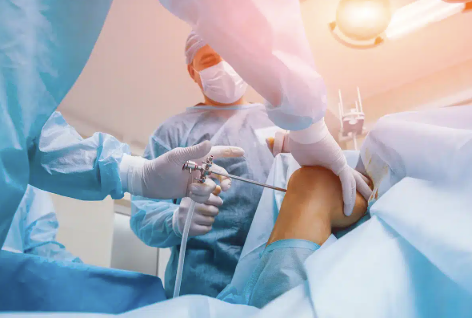
The procedure typically involves specialized extraction tools, fluoroscopic guidance, and precise surgical technique to minimize bone and soft tissue damage.
Advantages of Proper Intramedullary Nail Removal
Symptom Relief
Removing the nail alleviates discomfort, pain, or irritation caused by the implant protruding or impinging on soft tissues.
Infection Control
In cases of implant-related infection, nail removal intramedullary nail removal is critical to eradicate bacteria and allow appropriate antibiotic treatment.
Revision Surgery Preparation
If fracture healing has failed or malunion occurs, removal facilitates revision fixation or alternative surgical interventions.
See also: Comparing Infusion Methods in Modern Healthcare
Preservation of Bone Integrity
Proper removal techniques reduce the risk of iatrogenic fractures, excessive bone loss, or damage to the medullary canal.
Applications in Orthopedic Surgery
Femoral and Tibial Fractures
Intramedullary nails are commonly used for stabilization, and removal may be necessary after bone healing or due to complications.
Nonunion or Malunion
When fractures fail to heal correctly, nail removal allows corrective procedures, such as plate fixation or bone grafting.
Implant-Related Pain or Irritation
Patients experiencing chronic pain, soft tissue irritation, or mechanical discomfort benefit from nail extraction.
Infection Management
Removal is a key step in treating deep infections associated with intramedullary implants.
Pediatric Considerations
In growing children, nails may need removal to prevent interference with bone development or joint function.
Technical Considerations
Preoperative Planning
- Imaging studies (X-ray or CT scan) to assess nail position and bone healing
- Evaluation of potential complications and extraction technique
Surgical Technique
- Incision over the nail entry point
- Use of extraction devices and targeting guides
- Gentle manipulation to prevent bone damage or iatrogenic fractures
- Fluoroscopic guidance to ensure accurate alignment and safe removal
Postoperative Care
- Monitoring for infection or bleeding
- Physical therapy to restore strength and range of motion
- Pain management and gradual weight-bearing as advised
Instrumentation
Specialized intramedullary nail removal sets include:
- Extraction bolts or hooks
- Targeting guides for distal locking screw removal
- Reamers or flexible tools for canal clearance
- Soft tissue retractors and protective sleeves
Benefits of Intramedullary Nail Removal
- Pain Relief: Alleviates discomfort caused by the implant
- Infection Management: Allows eradication of implant-related infections
- Facilitates Revision Surgery: Enables corrective procedures for nonunion or malunion
- Preserves Bone Health: Minimizes iatrogenic damage during extraction
- Improves Function: Restores mobility and reduces mechanical irritation
Conclusion
Intramedullary nail removal is a critical procedure in orthopedic surgery, addressing pain, infection, implant failure, or the need for revision surgery. Using precise techniques, proper instrumentation, and careful planning, surgeons can safely extract nails while preserving bone integrity and optimizing patient outcomes.
By understanding the indications, surgical techniques, and postoperative care, orthopedic professionals can ensure effective treatment and maintain long-term bone health for their patients.
Frequently Asked Questions
Why would an intramedullary nail need to be removed?
Common reasons include pain, infection, implant failure, nonunion, or preparation for revision surgery.
Is the procedure risky?
With proper planning and surgical technique, intramedullary nail removal is generally safe, though risks include fracture, bleeding, or infection.
How long does recovery take after nail removal?
Recovery depends on the bone healing status, patient health, and any additional procedures, but most patients regain mobility within a few weeks.
What instruments are required for nail removal?
Specialized extraction tools, targeting guides, reamers, and soft tissue protectors are essential for safe removal.
Can children have intramedullary nails removed safely?
Yes, removal is often necessary in pediatric patients to prevent interference with bone growth or joint function.