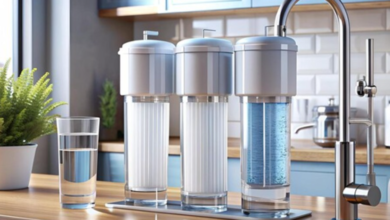
Having clean drinking water is important for leading a healthy life. Unfortunately, many contaminants are present in most water sources today and aren’t always easy to see. These include things like dissolved salts and harmful chemicals that can affect both the taste of your water and your overall health.
As people become more aware of what goes into our drinking water, more people are searching for ways to filter their water in order to protect their families. One of the most common filtration methods used today is reverse osmosis.
In this blog post, we will discuss reverse osmosis, what contaminants are removed from the water sources by using reverse osmosis, and why removing these contaminants will improve your health.
Why is Reverse Osmosis Important for Clean Water?
Reverse osmosis is important for clean water because it is a water filtration process that effectively eliminates all unwanted particles from water by forcing it through a very fine membrane. This membrane blocks harmful impurities that usually include salts, chemicals, and other dissolved particles, while permitting filtered water to pass through.
Contaminants Removed by Reverse Osmosis
Here are five common contaminants that a reverse osmosis system can effectively remove from the tap water.
1. Dissolved Salts
Tap water mostly contains dissolved salts such as sodium and chloride. While small concentrations may not always be harmful, if you consume these salts in large amounts, then it may not be suitable for those people who are on restricted diets. RO system significantly reduces the level of these salts, making your home water taste fresher and lighter.
2. Heavy Metals
Heavy metals can enter water supplies through aging plumbing, industrial waste, or natural deposits in the ground. Prolonged exposure to these metals may pose serious health risks to kids or elderly people. Reverse osmosis membranes are good enough to trap these heavy particles from tap water that helps decrease the danger of health risks.
3. Chlorine and Chemical Residues
Chlorine is widely used to disinfect community water supplies, but it can leave behind a strange taste and smell. In plenty of cases, chemical residues from pesticides or industrial activities may also be present. RO systems, particularly those modules that are equipped with pre-filters, help decrease chlorine and many toxic impurities from drinking water.
4. Bacteria and Microorganisms
Although not every system is designed as a primary disinfectant. However, RO membranes can remove many bacteria and microorganisms due to their extremely small pore size. This adds an extra layer of protection to household drinking water.
5. Nitrates and Fluoride
Nitrates from fertilizers and fluoride from natural sources can often be found in water. Although fluoride is beneficial in controlled amounts, high-concentrations may be dangerous for health. Reverse osmosis helps reduce both nitrates and excess fluoride, leading to safer and more balanced drinking water for everyone.
So, these are some of the primary reasons why the RO filtration process is considered essential for safe and clean water.
See also: Comparing Infusion Methods in Modern Healthcare
Health Benefits of Reverse Osmosis Water
Drinking reverse osmosis water has many health benefits, but here we only discuss five core benefits.
1. Harmful Contaminants are Reduced
Many harmful contaminants exist in drinking water, including chemicals, heavy metals, and excess salt – all of which can have an adverse effect on the body if consumed over long periods of time. A reverse osmosis system will remove these contaminants, thereby lowering your risk of health issues and giving you better overall health.
2. Digestive System Support
Drinking water that is free of pollutants and other contaminants is important for the proper functioning of your digestive system. RO water helps to make sure a smooth digestive process and raises your ability to absorb nutrients from the foods you eat.
3. Improves Taste and Encourages Hydration
Water that is clean tastes fresh and clean, which encourages people to drink more of it. Many people avoid drinking sufficient amounts of water due to a lack of good taste or a bad smell.
The reverse osmosis purification process removes many of the impurities that affect taste and smell, making the drinking experience more enjoyable and increasing the chances of being sufficiently hydrated. This is very important for healthy skin, kidney function, and energy levels.
4. Added Protection for Sensitive Individuals
Children, older people, and those individuals who have weakened immune systems can be extra sensitive to contaminants that are present in tap water. A reverse osmosis system adds an extra layer of protection that can help lower the presence of microorganisms and dissolved impurities.
This added protection provides peace of mind for those families who want safer household drinking water.
5. Support for Long-Term Wellness
Using purified drinking water on a regular basis, especially by way of reverse osmosis, helps create lifelong good health habits. The positive effects of consuming an adequate amount of water include regulating body temperature, providing a healthy circulatory system, and helping the body eliminate waste.
Conclusion
Reverse osmosis is significant in providing cleaner, safer water on a consistent basis for human consumption. It reduces many contaminants from the water we drink, which improves the overall quality of our drinking water, as well as contributing to a greater overall level of health.
Furthermore, reverse osmosis gives us better-tasting and safer drinking water, making its many advantages evident. By using reverse osmosis to create drinking water for your family, you are taking steps toward creating your family’s future health through the purity, freshness, and dependability of the water they drink.
Frequently Asked Questions
What kind of contaminants can the RO process eliminate?
This filtration technique can remove up to 99% of different types of impurities and contaminants. Some of the major ones include chemicals, bacteria, heavy metals, and many more.
Is reverse osmosis required for well water as well?
In many cases, the answer is yes. Well water often contains chlorine, sulfur, and dissolved impurities. These ultimately cause unpleasant taste and odor in the water.
Is the reverse osmosis filtration process environment-friendly?
Absolutely yes. This is because, this filtration technique signficantly reduce the dependence on bottled water. However, it does produce a bunch of wastewater during filtration.