Diet plays a crucial role in long-term health, and research continues to show strong connections between certain foods and increased cancer risk. Making informed nutritional choices is a key part of preventive healthcare strategies, helping individuals reduce inflammation, improve immune function, and lower disease risk.
In this article, we examine four common foods that have been linked to higher cancer risk and explore healthier alternatives that support overall wellness.
1. Processed Meats
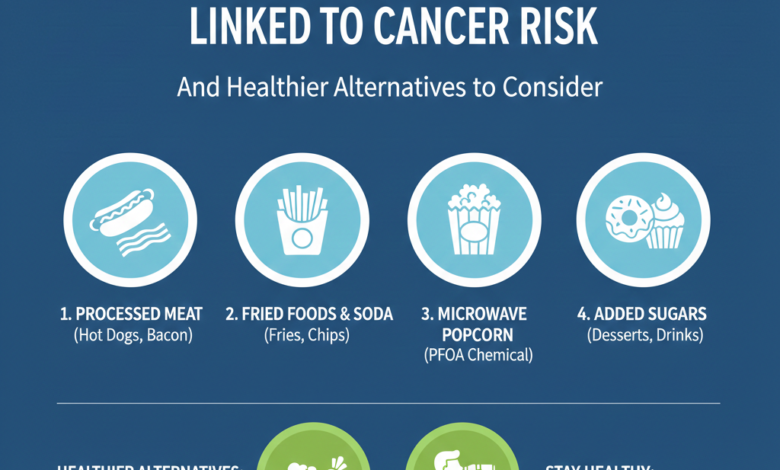
Processed meats such as bacon, sausages, hot dogs, and deli meats have been associated with an increased risk of colorectal cancer. These foods often contain preservatives like nitrates and nitrites, which can form potentially harmful compounds during digestion.
Healthier Alternative: Choose fresh, lean protein sources such as grilled chicken, turkey, legumes, or plant-based protein options.
2. Sugary Beverages and Excess Added Sugar
High consumption of sugary drinks and foods rich in added sugars can contribute to obesity, insulin resistance, and chronic inflammation—all risk factors linked to various cancers.
Healthier Alternative: Opt for water, herbal teas, or fresh fruit-infused beverages. When craving something sweet, choose whole fruits instead of processed desserts.
3. Highly Processed Foods
Highly processed snacks and packaged foods often contain unhealthy fats, excess sodium, artificial additives, and refined carbohydrates. Diets high in ultra-processed foods have been associated with increased cancer risk in several observational studies.
Healthier Alternative: Focus on whole, minimally processed foods such as vegetables, fruits, whole grains, nuts, and seeds.
4. Excessive Red Meat Consumption
Frequent consumption of red meat—particularly when charred or cooked at high temperatures—may increase exposure to compounds linked to cancer development.
Healthier Alternative: Limit red meat intake and incorporate more plant-based meals, fish, and lean poultry into your diet.
See also: Comparing Infusion Methods in Modern Healthcare
Building a Cancer-Conscious Diet
A balanced diet rich in fiber, antioxidants, and anti-inflammatory nutrients can significantly reduce long-term health risks. Emphasizing colorful vegetables, whole grains, healthy fats, and adequate hydration supports immune resilience and overall metabolic health.
Small, consistent dietary improvements often have a powerful cumulative effect over time.
Conclusion
While no single food guarantees disease prevention, being mindful of dietary patterns can make a meaningful difference in reducing cancer risk. Education, awareness, and informed choices empower individuals to take control of their health.
Healthcare organizations delivering expert clinical consulting services play an important role in promoting evidence-based nutritional guidance, preventive care initiatives, and patient-centered health strategies that support long-term wellness.