Pursuing recovery from opioid addiction is never easy. It entails overcoming physical suffering, emotional pressure, and social stress. The old ways tended to use detoxification by itself, hoping that patients would be able to overcome cravings by pure willpower. But science and practice have established that detoxification alone is seldom sufficient. Medication-Assisted Treatment (MAT) has revolutionised recovery rates by targeting the biological and psychological components of addiction.
Detox as a Beginning
Detoxification is usually the initial phase of treatment. It is the process of removing substances from the body, allowing the system to reboot after prolonged use. Detox under medical supervision reduces the likelihood of withdrawal symptoms, but it doesn’t address the root causes of addiction. If further support is not provided, these symptoms—which include anxiety, restlessness, muscle soreness, and insomnia—can cause people to resume using opioids in a matter of days. Detox rids the body, but it doesn’t ready the mind for the war of a lifetime.
What MAT Brings to the Table
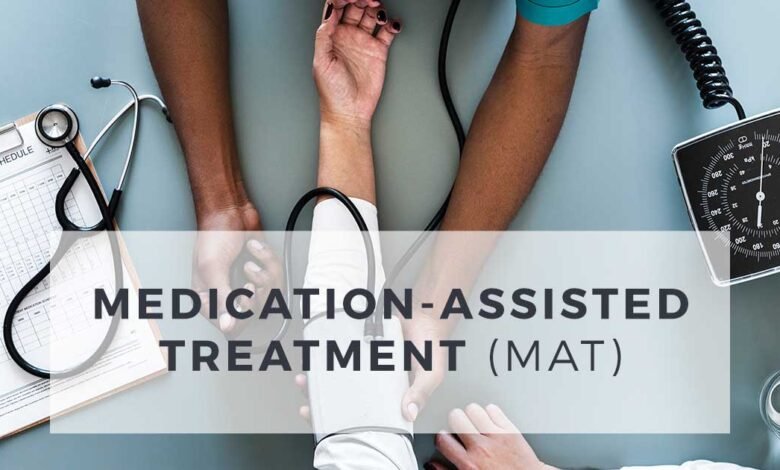
This is where MAT comes in. Contrary to older models that defined recovery as an issue of discipline, MAT incorporates medication with counselling and behavioural therapy. The drugs prescribed do not carry the euphoric high of opioids. Rather, they level brain chemistry, suppress cravings, and shut down the effects of abuse. This provides patients with a level playing field, enabling them to concentrate on therapy, re-establishing relationships, and getting their lives back under control.
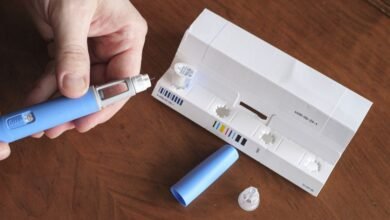
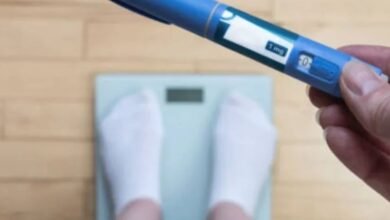
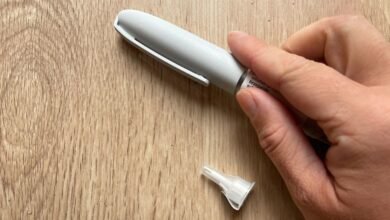
For example, brizadi treatment has been hailed to enable patients to cope with withdrawal better. By soothing cravings and alleviating relapse possibilities, it provides people with the space to breathe while they fully participate in their recovery strategies.
Beyond Medication: The Role of Therapy
Addiction is both physical and psychological. While medication helps suppress cravings, therapy works with the thought processes and situations leading to dependency. Cognitive Behavioural Therapy (CBT) is often employed to assist patients in becoming aware of causes and in acquiring more positive ways of coping. Group therapy offers peer support and responsibility, and family counselling assists in repairing damaged relationships.
Without these emotional aspects being addressed, the potential for relapse is high. Medication can stabilise the body, but therapy rebuilds the mind. Combined, they are a complete plan for long-term recovery.
Breaking the Stigma
For years, people have believed that taking medication during recovery is simply “swapping one drug for another.” This myth has stopped people from getting proper treatment. But medical evidence presents a radically different picture. MAT does not induce dependency like opioids do. Rather, it establishes stability, saves lives from fatal overdose, and dramatically raises the probability of long-term abstinence.
As more people learn that treatments like the Brizadi treatment can save lives, the stigma is gradually disappearing. MAT is leading the charge to change the perception of opioid dependence from a moral failing to a health problem.
Long-Term Support and Aftercare
Graduating from a treatment programme is a landmark, but recovery goes far beyond that. In order to prevent relapse, aftercare is essential. The majority continue to participate in mentorship programs, recovery groups, or outpatient therapy. Others opt for sober living communities, which use structure and accountability to keep things moving forward.
The secret is to be consistent. Stress, trauma, or social pressures can trigger cravings again even after they have subsided initially. Frequent assistance guarantees that individuals are not left to face these challenges alone.
Why MAT Is Changing Outcomes
The proof is unmistakable: MAT significantly enhances rates of recovery over abstinence-only approaches. It decreases overdose deaths, lowers relapse rates, and enables the patient to become productive again. Most importantly, it provides dignity and hope. Recovery becomes less about punishment and more about building again a healthy, meaningful life.
MAT-specialising clinics like MATClinics give evidence-based care that integrates medication, therapy, and ongoing support. Their model recognises an increasing understanding that recovery takes more than willpower – it takes structured, empathetic treatment that addresses every aspect of addiction.
Conclusion
Medication-Assisted Treatment is revolutionising how we think about healing. Through a combination of medication, counselling, and aftercare, MAT empowers individuals to regain control of their lives without being overcome by cravings or stigma. Addiction is a complicated medical condition that necessitates a multimodal approach, as MAT recognises.
The result is an approach to treatment that offers genuine hope. Patients aren’t made to endure detoxification alone or told they have to control their cravings on their own. Instead, they have the knowledge and ability to move forward, gradually, in the direction of recovery.