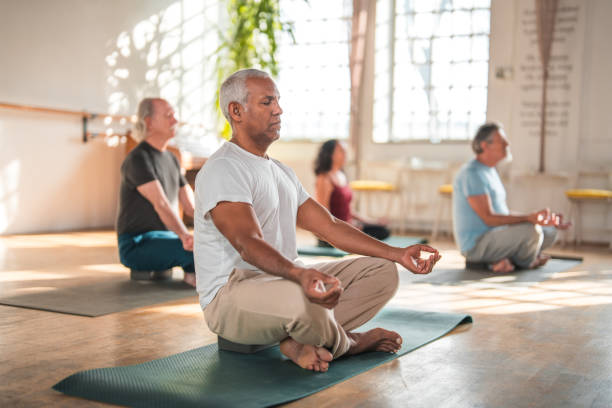
Modern life throws a lot of curveballs at people. Between demanding jobs, complex relationships, endless notifications, and the constant need to stay updated, stress accumulates in ways that feel almost invisible until it becomes overwhelming. The mind races, the body tenses, and suddenly everything feels like it requires more energy than anyone has to give.
When people turn to meditation for stress relief, they often discover something unexpected. It’s not just about feeling calmer in the moment. Regular practice actually reshapes how the brain responds to pressure, building a kind of inner steadiness that makes daily challenges feel more manageable. Think of it as training the mind to stay grounded even when life gets chaotic and unpredictable.
Understanding How Stress Accumulates in Daily Life
Work Demands That Never Stop: The boundaries between work and personal time have blurred significantly. Emails arrive at all hours, projects pile up, and the pressure to perform creates a background hum of tension that many people carry throughout their day. This constant state of alertness wears down mental reserves faster than most realize.
Relationship Complexities and Emotional Labor: Maintaining connections with family, friends, and colleagues requires emotional energy. Misunderstandings happen, conflicts arise, and the need to navigate different personalities and expectations adds another layer of stress. People often feel pulled in multiple directions, trying to meet everyone’s needs while neglecting their own.
Information Overload and Decision Fatigue: The digital age brings unprecedented access to information, but it comes with a cost. News cycles, social media feeds, and endless content streams create mental clutter. The brain struggles to filter what’s important from what’s noise, leading to exhaustion that people might not even recognize as stress-related until it manifests physically.
See also: How to Maintain Healthy Teeth Between Dental Visits?
Building Mental Resilience Through Regular Practice
How the Brain Rewires Itself: Neuroscience shows that consistent meditation actually changes brain structure. The prefrontal cortex, responsible for decision-making and emotional regulation, strengthens with practice. At the same time, the amygdala, which triggers stress responses, becomes less reactive. This isn’t just theory; it’s measurable change that happens gradually with dedication.
Reducing Reactivity in Challenging Moments: When stress hits, the automatic response is often to react immediately, whether through anger, anxiety, or shutting down completely. Meditation creates a small but crucial gap between stimulus and response. In that space, people find the ability to choose how they react rather than being controlled by impulse or overwhelm.
Developing Emotional Stability Over Time: Resilience isn’t about never feeling stressed. It’s about recovering faster and maintaining equilibrium even when circumstances are difficult. Regular practitioners notice they bounce back from setbacks more quickly, hold onto peace longer, and generally feel more capable of handling whatever comes their way without falling apart.
Simple Meditation Techniques You Can Start Today
Breath Work for Immediate Calm: Focusing on the breath is perhaps the most accessible entry point into meditation. Sitting comfortably and paying attention to each inhale and exhale brings attention back to the present moment. When the mind wanders, which it will, gently redirecting focus to breathing trains concentration and creates instant relaxation in the nervous system.
Guided Meditations for Structured Support: Many people find it helpful to follow along with recorded guidance, especially when starting out. A voice walking them through the process removes uncertainty and provides structure. Guided sessions often include visualization or specific themes, making it easier to stay engaged and less likely to give up when the practice feels challenging.
Body Scan Meditation Benefits:
- Releases physical tension held in muscles, jaw, shoulders, and other areas where stress manifests physically in the body.
- Increases body awareness, helping people notice stress signals before they escalate into bigger problems or health issues.
- Promotes deeper relaxation by systematically addressing each body part, creating a sense of complete rest and restoration.
- Improves sleep quality when practiced before bed, as it helps transition the mind and body into a restful state.
What Changes to Expect Over Time
Enhanced Focus and Mental Clarity: After a few weeks of consistent practice, many people notice they can concentrate better. Tasks that once felt overwhelming become more manageable because the mind isn’t constantly jumping between worries. This improved focus extends beyond meditation sessions, showing up in work, conversations, and daily activities that require sustained attention.
A Pervasive Sense of Calm: The nervous system starts operating from a different baseline. Instead of being constantly keyed up, people find themselves naturally more relaxed. Situations that used to trigger immediate stress responses begin to feel less threatening. This doesn’t mean challenges disappear, but they feel more approachable and less likely to derail the entire day.
Greater Emotional Balance and Perspective: Emotions still arise, of course, but they don’t have the same grip. There’s more space to observe feelings without being consumed by them. This distance allows for better decision-making and healthier relationships because responses come from a place of awareness rather than reactive patterns that might have caused problems before.
Creating a Sustainable Meditation Practice
Setting Up Your Space Intentionally: Choose a specific spot for meditation, somewhere relatively quiet where interruptions are minimal. It doesn’t need to be elaborate or perfect. A corner of a bedroom, a cushion in the living room, or even a chair in a quiet office can work. The key is consistency in location, which helps signal to the brain that it’s time to settle.
Optimizing Your Environment for Practice: Small adjustments make a difference. Dimming lights slightly, turning off phone notifications, and maybe lighting a candle or playing soft background sounds can enhance the experience. The goal is removing distractions and creating an atmosphere that supports turning inward rather than being pulled outward by external stimuli.
Building Routine That Actually Sticks: Start small rather than committing to unrealistic goals. Five minutes daily beats an hour once a week. Attaching meditation to an existing habit, like right after morning coffee or before bed, increases the likelihood it becomes automatic. Progress comes from showing up regularly, not from perfect sessions that rarely happen.
Conclusion
Meditation transforms from a nice idea into a genuine resilience tool when it becomes part of daily life. The benefits compound quietly over weeks and months, building inner strength that helps navigate stress with more grace and less struggle. Starting is simpler than most people think, and the investment of just a few minutes each day pays dividends in mental clarity, emotional balance, and overall well-being. Take the first step today by finding a quiet spot, setting aside five minutes, and simply focusing on your breath. Your future self will thank you for beginning this journey toward lasting peace and resilience.