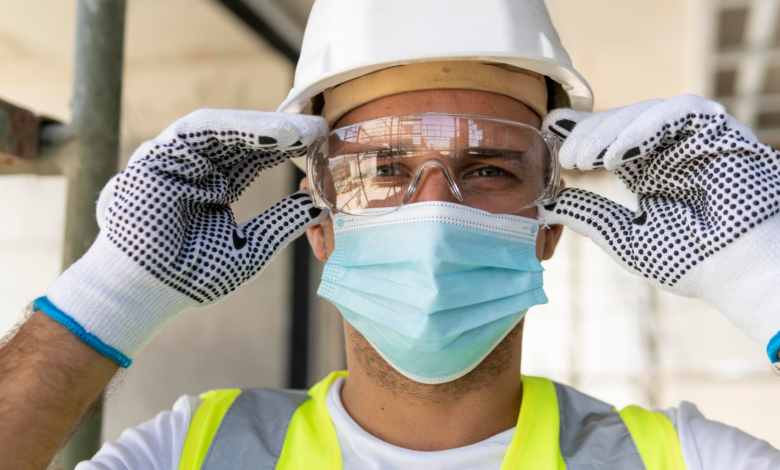
The plumbing business has experienced significant changes due to market demands and industrial changes. Here, we talk about 6 smart investments in PPE and equipment for the plumbing business in 2025.
The essential PPE in the plumbing business in 2025 includes ANSI-certified eye, head, and footwear protection, along with task-centric gear like respirators, cut-resistant gloves, and high-visibility apparel. Key equipment trends include time-saving power tools and modern diagnostic technologies, such as pipe inspection cameras and press tools. However, smart investments are crucial to ensure OSHA-compliant requirements, enhancing a proactive safety culture.
But in what do you make these investments as a plumbing professional? Take a look at the blog to know!
Plumbing PPE and Equipment Worthy of Investment
In today’s time, making the right investment is extremely crucial, and plumbing professionals are not far behind. It will be a wise idea to invest in the following PPE and plumbing equipment:
1. Smart Diagnostic Tool
The incorporation of smart tools has been cost-effective and time-saving for plumbing businesses, since they accurately locate hidden issues without any extended or destructive investigation. It also allows technicians to reduce the level of rework and liabilities, while the leak detection systems and high-precision tools reduce the error margin, leading to fewer reworks and reliable repairs.
On the other hand, the smart diagnostic tools like video inspection camera and acoustic leak detector not only provide data-driven insights regarding pressure, temperature, and other factors but also minimize the chances of structural damage on the property. However, these tools reduce utility bills significantly, based on energy and water consumption.
2. Advanced Pipe Inspection Cameras
The use of advanced inspection cameras can accurately and quickly pinpoint the nature of the problem and its location, such as a leak, a clog, or a collapsed pipe. It allows for proactive maintenance, since regular camera inspections help identify issues like corrosion, hairline cracks, and root intrusions, before the challenges escalate into expensive and major failures. This shifts maintenance from an emergency and reactive-based model to a planned and proactive one.
On the other hand, by using a remote-controlled camera, a plumbing technician can inspect confined and difficult-to-reach zones, such as sewer pipes, with an effective PPE kit. For example, instead of random digging in the yard, plumbers can use a push-rod camera to examine the condition of the main sewer line.
| Equipment | Average Cost | ROI Benefit (Annual) | Notes |
| Pipe Inspection Camera | $1,500–$3,000 | $10,000+ via upsells & time | Boosts client transparency |
| Smart Leak Detectors | $200–$600 | Reduced callbacks | Integrates with a mobile device |
| Modular Tool Storage | $400–$800 | Reduced tool loss | Customizable & durable |
| Wearable Tech for Tracking | $300–$500 | Efficiency and compliance | Syncs job logs and time sheets |
Table 1: Investment vs. ROI for Top Equipment in 2025
3. Eco-Friendly & Durable PPE
The eco-friendly and durable PPE kit is long-lasting and durable in nature, since the long-lasting gear does not require frequent replacement. On the other hand, these tools lead to less trash, which further reduces waste removal costs, while the preventive maintenance, driven by durable gear, protects against regulatory fines and production slowdowns. Moreover, these kits empower the circular economy, as well as increase confidence and comfort in a healthier work environment.
4. Modular & Secure Tool Storage Solutions
The modular and secure tools used as plumbing equipment save money and time at the same time. The efficiency is mostly driven by professional efficiency and the organized approach, while the use of weatherproof and durable equipment protects valuable tools from harmful elements and damage. The enhanced safety mechanism improves professionalism on a significant scale, reflecting better outcomes.
For example, investing in interlocking toolboxes of various sizes creates transportable, secure tower features, clear-top organizers and drawers, and weather-resistant seals. On the other hand, rugged tool bags with several compartments, waterproof, with a hard base and zippered sections are useful to carry complete sets of tools to a specific job.
5. Wearable Tech for Job Monitoring & Safety
The use of vital sign tracking, such as fitness trackers and smartwatches, can monitor the vital health conditions of plumbers, such as body temperature and heart rate. It further helps prevent heat stress or physical exhaustion, demanding jobs, especially when working in closed or hot areas.
On the other hand, investing in these tools is beneficial, since they help detect hazards like carbon monoxide and other toxic gases. However, devices like gyroscopes and accelerometers can detect sudden falls or impacts, while the GPS-enabled tracking allows supervisors to understand plumbers’ real-time location. On the other hand, the head-mounted device, RealWear HMT-1, can be operated through voice command.
| PPE Type | OSHA Requirement | 2025 Upgrade |
| Gloves | Hand protection | Cut-resistant, touch-screen capable |
| Hard Hats | Head protection | Ventilated, recyclable, light-weight |
| Eye Protection | ANSI-rated eyewear | Anti-fog, anti-glare smart lenses |
| Safety Vests | High-visibility gear | Sensor-equipped, reflective, durable |
Table 2: PPE & Safety Gear: OSHA Standards vs. 2025 Tech
6. Anti-Fatigue Equipment & Ergonomic Tools
The anti-fatigue plumbing equipment and ergonomic tools are effective for longer periods and are designed to reduce stress from soft tissues and joints. The design further lowers the risks of musculoskeletal disorders, such as chronic back pain, carpal tunnel syndrome, and tendonitis. However, plumbers experiencing less fatigue and stress get engaged more quickly and professionally, while the improved safety drives their safety on a significant scale.
For example, anti-fatigue mats and kneepads are two of the key safety measures, popularly used in the plumbing industry. The former one is made of foam or cushioned rubber, providing a soft surface, while the latter one, with gel padding, ensures protection and comfort for plumbers during the installation of fixtures.
Summary
Since the plumbing industry has gone through several infrastructural changes, the plumbing companies have become more choosy while investing in different equipment. By investing in smart diagnostic tools and eco-friendly and durable PPE kits, plumbing companies can ensure better engagement and retention of plumbers, driven by safety and practices. However, the use of modular and wearable tech and toolboxes can also ensure real-time and cost-effective services, as per customer requirements.
Not Sure of Which Plumbing Equipment and PPE Kits to Invest in?
Not sure about the utility of advanced tools and PPE kits for plumbing services? Visit relevant brand websites to find the best options before it’s too late.