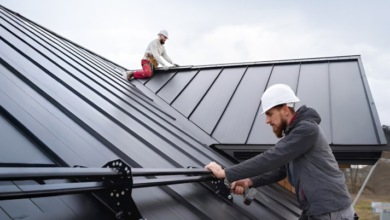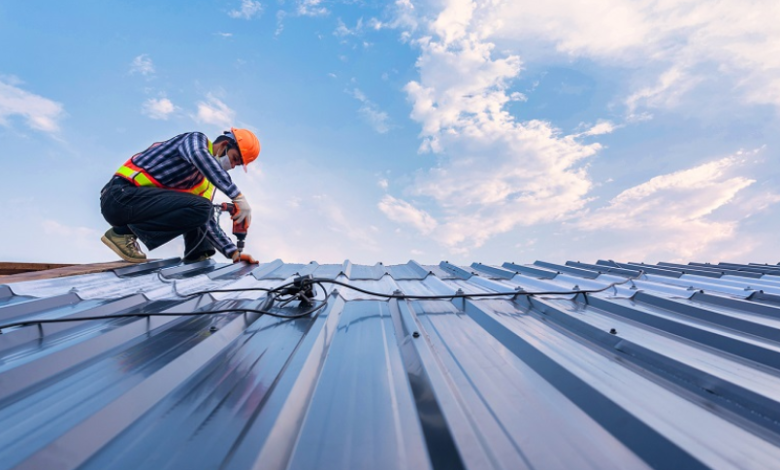
A new roof is one of the most important investments a homeowner can make, and understanding each stage of the roofing process helps remove uncertainty while ensuring long-term protection for the property. Roofing is far more than simply adding shingles to the top of a house—it involves structural evaluation, preparation, material selection, careful artistry, and quality checks to ensure the final result is durable and weather-resistant. A thorough inspection identifies damage, aging materials, and ventilation issues that could affect performance. The process also includes planning for safety, setting project timelines, and coordinating the delivery of materials before any work begins. When done correctly, a roofing project extends the life of the home, improves energy efficiency, boosts curb appeal, and helps avoid future repairs. Homeowners who understand this whole journey—from the first inspection to the final installation—can make informed decisions, ask the right questions, and feel confident in the outcome.
From Analysis to Planning
After the initial inspection, the roofing process shifts toward analysis and planning, laying the foundation for a smooth, efficient project. Roofers examine structural components such as decking, underlayment, flashing, and support beams to determine whether repairs or replacements are necessary before new materials are installed. They also consider weather conditions and local building codes to ensure compliance and safety. Once all issues are identified, a detailed plan is created outlining the scope of work, estimated costs, and timeline. This stage includes discussing roofing material options —such as asphalt shingles, metal roofing, or tile —based on the homeowner’s preferences and the home’s architecture. Planning ensures that the proper equipment and workforce are available, minimizing disruption to the household. A well-prepared project prevents costly delays and ensures that every step is carried out in the correct order. Detailed planning also ensures the roof system provides proper ventilation, which is critical for preventing moisture buildup and maintaining energy efficiency. By investing time in this preparation phase, the roofing team sets the stage for consistent, long-lasting results.
Tear-Off and Surface Preparation
Once planning is complete, the actual physical work begins with the tear-off stage, where old roofing materials are carefully removed. This step reveals the exact condition of the roof decking and frame, allowing any hidden damage, such as rot, mold, or weakened plywood, to be addressed. Removing old materials rather than simply layering new ones on top ensures a clean foundation and provides an opportunity to seal and protect vulnerable areas adequately. During this stage, debris is managed to keep the property safe and organized. Surface preparation includes checking the decking for soft spots, securing any loose boards, and replacing damaged sections to ensure structural stability. Proper preparation is critical because even the highest-quality shingles cannot perform effectively on an unstable surface. At this point, ice and water barriers, drip edges, and underlayment are installed for added protection against moisture and leaks. It is also a standard time for homeowners to ask for status updates and confirm progress. For those seeking a trusted provider, many choose reliable roofing in Kansas City by AAA Midwest, which focuses on quality preparation and long-term roof performance. A well-prepared surface ensures a smooth installation and a durable final product.
See also: How Attic Insulation Improves Indoor Air Quality in Houston?
Installing the Roofing System
With the surface fully prepared, the installation phase focuses on building a roof system that withstands daily exposure to sunlight, rain, wind, and temperature changes. Roof installation is a layered process, beginning with underlayment that acts as a moisture barrier, followed by flashing to protect valleys, chimneys, and edges. Roofers then install shingles or other roofing materials in a precise pattern to ensure proper alignment, water runoff, and aesthetic consistency. Ventilation components are added to help regulate attic temperature and prevent moisture buildup that could shorten the roof’s lifespan. During this stage, each element is installed with care, as improper fastening or spacing can lead to premature damage or leaks. Weather monitoring is essential to avoid working during rain or extreme conditions, which can compromise materials. Good communication between the roofing team and homeowner ensures that any necessary adjustments are made immediately. Installation includes sealing all joints and edges to create a watertight system. When executed correctly, this stage delivers a strong, attractive roof that protects the home, maintains energy efficiency, and enhances overall property value. The goal is not just to install materials but to create a cohesive roofing system that performs reliably year after year.
Final Inspection and Quality Assurance
The roofing process does not end once the shingles are in place. A final inspection ensures that every component has been installed correctly and meets both manufacturer guidelines and building code requirements. Roofers check flashing, valleys, vents, ridges, and edges to confirm they are sealed and aligned correctly. They also verify that the roof is adequately ventilated, which is essential for preventing heat buildup and maintaining long-term durability. Cleaning the job site is part of this process as well, including removing leftover materials and nails to protect the surrounding area. This attention to detail ensures that the roof not only looks great but also functions properly for years to come. Warranties are reviewed with the homeowner to clarify what is covered and how to maintain the roof going forward. Many roofing companies also provide maintenance recommendations or annual inspection options to catch minor issues before they evolve into major repairs. By completing a thorough quality check, the roofing team guarantees peace of mind and confirms that the installation meets the performance expectations established at the beginning of the project. This final step brings the entire process full circle, ensuring safety, reliability, and long-term value.
A Structured Process for Lasting Protection
Understanding the roofing process from inspection to installation offers homeowners clarity and confidence as they invest in one of the most critical components of their home. Each phase—inspection, planning, preparation, installation, and final review—plays an essential role in the roof’s durability and performance. By starting with a detailed assessment and following through with careful planning and precise artistry, roofing professionals create a system that protects the home from the elements, moisture, and structural damage. Tear-off and surface preparation provide a clean, secure foundation, while proper installation ensures that all materials work together to form a weather-resistant barrier. Final inspection and cleanup confirm that the job has been executed correctly and meets all quality standards. When each step is completed with care and attention, the roof functions efficiently for many years with minimal maintenance. A structured roofing process delivers not only beauty but also long-term strength, energy efficiency, and peace of mind for homeowners who want lasting protection.