Getting CPR certified for the first time is an important step for anyone who wants to be prepared to respond in emergency situations. Whether you are a parent, teacher, coach, or simply someone who values safety, learning CPR can make a significant difference in your community. The process of certification involves understanding the basics of cardiopulmonary resuscitation, finding a reputable training provider, attending a hands-on course, and successfully completing both written and practical assessments. This guide will walk you through each stage, ensuring you know what to expect and how to prepare for your first CPR certification.
Overview of the CPR certification process
Understanding CPR and Its Importance
CPR, or cardiopulmonary resuscitation, is a life-saving technique used when someone’s breathing or heartbeat has stopped. The primary goal of CPR is to maintain blood flow to the brain and other vital organs until professional medical help arrives. Learning CPR is not just about memorizing steps; it’s about gaining the confidence to act quickly and effectively in high-pressure situations. Many people underestimate the value of being CPR certified until they witness or experience a cardiac emergency firsthand. By understanding the significance of CPR, you become more motivated to complete the certification process and be ready to help when it matters most. The knowledge and skills you gain can empower you to save lives, making your community a safer place for everyone.
Finding the Right CPR Course
Selecting the right CPR course is a crucial step in the certification journey. There are various organizations and providers that offer CPR training, each with their own curriculum and certification standards. It’s important to choose a course that is recognized by reputable health and safety organizations, ensuring that your certification will be valid and widely accepted. When searching for a course, consider factors such as location, schedule, and the type of CPR training offered, such as adult, child, or infant CPR. For those living or working in Mississauga, finding CPR training near Heartland Town Centre can provide convenient access to high-quality instruction. Look for courses that include both theoretical knowledge and practical, hands-on training, as this combination is essential for building real-world skills. Additionally, check if the course includes instruction on using automated external defibrillators (AEDs), as this is often a requirement for full certification.
What to Expect During CPR Training
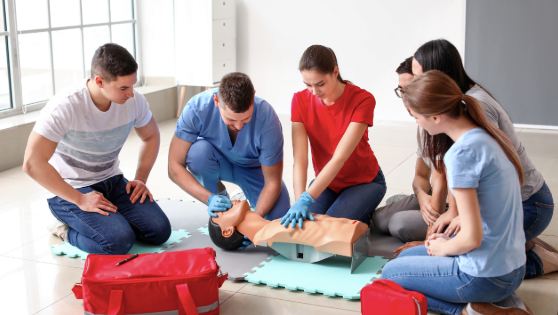
Attending a CPR training course for the first time can be both exciting and a little intimidating, especially if you have no prior experience with emergency response. Most courses begin with an overview of the basics of cardiac emergencies, including how to recognize the signs of cardiac arrest and the importance of acting quickly. Instructors typically use a combination of lectures, demonstrations, and interactive discussions to explain the steps involved in performing CPR. You will learn how to assess a victim, call for help, and begin chest compressions and rescue breaths. Hands-on practice is a key component of the training, allowing you to work with mannequins and simulation equipment to develop your technique. Instructors provide feedback and guidance to help you improve your skills and build confidence. By the end of the course, you should feel comfortable performing CPR on adults, children, and infants, as well as using an AED if required.
See also: Comparing Infusion Methods in Modern Healthcare
The Certification Exam
After completing the instructional portion of your CPR course, you will be required to pass a certification exam. This exam typically consists of two parts: a written test and a practical skills assessment. The written test evaluates your understanding of the concepts and procedures covered during the course, such as the correct sequence of actions and the rationale behind each step. The practical assessment requires you to demonstrate your ability to perform CPR and use an AED on a mannequin, following the guidelines taught by your instructor. Passing both components is necessary to receive your certification card. The exam is designed to ensure that you are fully prepared to respond effectively in real-life emergencies, and instructors are usually available to answer questions or provide additional support if needed.
Maintaining Your CPR Certification
CPR certification is not a one-time achievement; it requires ongoing renewal to ensure your skills and knowledge remain current. Most certifications are valid for two to three years, after which you must complete a recertification course. These refresher courses are typically shorter than the initial training and focus on updates to CPR guidelines, as well as reinforcing your practical skills. Staying up to date with your certification ensures that you are always ready to respond in an emergency and that your credentials remain valid for work or volunteer requirements. Regular practice and review of CPR techniques can also help you retain your confidence and competence over time.
Benefits of Being CPR Certified
Becoming CPR certified offers numerous benefits beyond simply meeting workplace or volunteer requirements. It provides peace of mind, knowing that you have the skills to help someone in a life-threatening situation. CPR certification can also enhance your resume and open up opportunities in fields such as education, childcare, healthcare, and public safety. Many organizations and community groups value individuals who are trained in CPR, as it contributes to a safer environment for everyone. Additionally, the sense of accomplishment that comes from completing the certification process can inspire you to continue learning and possibly pursue additional first aid or emergency response training in the future.
Quick Tips for First-Time CPR Students
For those preparing to take their first CPR course, it’s helpful to arrive with an open mind and a willingness to learn. Wear comfortable clothing, as you will be practicing on the floor with mannequins. Don’t hesitate to ask questions or request clarification from your instructor if you are unsure about any aspect of the training. Remember that making mistakes during practice is a normal part of the learning process, and instructors are there to support your progress. By staying engaged and focused, you will gain the confidence needed to perform CPR effectively in real-life situations.
Conclusion
Getting CPR certified for the first time is a valuable investment in your personal development and your ability to help others in emergencies. The process involves understanding the importance of CPR, selecting a reputable training provider, participating in hands-on instruction, and successfully completing both written and practical assessments. Maintaining your certification through regular renewal ensures that your skills remain sharp and up to date. By taking these steps, you not only fulfill important requirements for work or volunteering but also gain the confidence and knowledge to make a real difference in your community. Whether you are motivated by personal reasons or professional obligations, CPR certification is a meaningful achievement that can have a lasting impact on the lives of those around you.