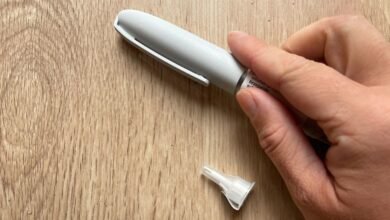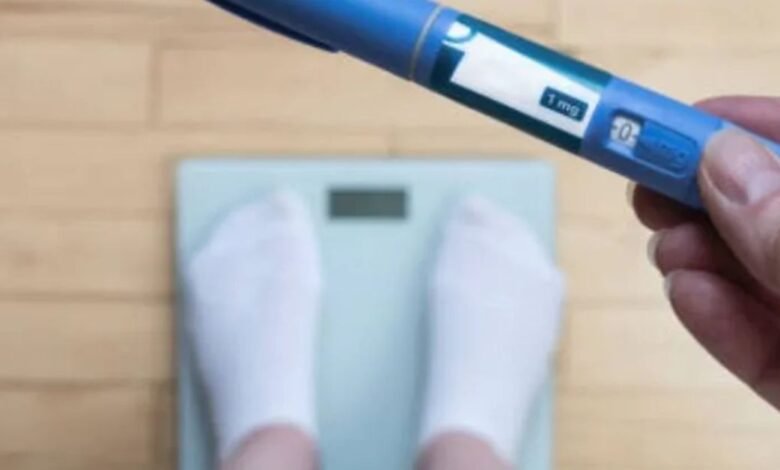
Losing weight is one goal. Keeping it off is another. This is where the conversation around Ozempic and semaglutide becomes more interesting. A medication may help reduce appetite and support weight loss, but long-term weight management depends on what happens after the initial results. For people who have struggled with losing weight only to regain it later, the possibility of using medication as part of an ongoing strategy can be an important consideration.
Semaglutide has been studied extensively for weight management, with research showing that people can achieve significant weight loss while continuing treatment. At the same time, studies have found that stopping semaglutide can lead to considerable weight regain. This means the question is not simply whether a person can lose weight with semaglutide, but whether continued treatment may be appropriate for maintaining those results.
For those exploring Ozempic for weight loss, Zealthy offers a convenient starting point. Eligible patients can complete an online health assessment and connect with a licensed healthcare provider who can review their health information and determine whether prescription treatment may be appropriate. Zealthy makes it possible to explore weight-management treatment from home without turning the process into a complicated series of appointments.
Weight Loss and Weight Maintenance Are Different
Many people approach weight loss with a specific target in mind. They may want to lose 20, 30, or 50 pounds, fit into a particular clothing size, or improve a health measurement. Once that goal is reached, it can be tempting to assume the treatment is finished. However, maintaining a lower weight can require continued effort because the body does not necessarily remain at its new weight automatically.
After weight loss, appetite and other biological signals can change. Hunger may become stronger, energy expenditure can shift, and maintaining the same eating pattern may become more difficult. These factors can contribute to gradual weight regain even when someone is genuinely trying to maintain their progress.
This is why long-term weight management is increasingly approached as an ongoing process rather than a short-term diet. Medication can be one component of that process for people who are medically appropriate candidates.
Where Semaglutide Fits Into the Picture
Semaglutide belongs to the GLP-1 receptor agonist class and affects pathways involved in appetite and blood sugar regulation. One of its effects is increased feelings of fullness, which may help people consume fewer calories without experiencing the same level of hunger they had before treatment.
Clinical research has demonstrated substantial weight loss with once-weekly semaglutide when combined with lifestyle intervention. In the STEP 1 trial, participants receiving semaglutide 2.4 mg lost an average of about 15% of their initial body weight over 68 weeks, compared with about 2.4% with placebo.
Those results should not be interpreted as a guarantee for every patient. Individual responses vary, and the appropriate medication, dosage, and duration depend on personal health circumstances.
It is also important to distinguish between products. Ozempic contains semaglutide and is FDA-approved for certain adults with type 2 diabetes. Wegovy contains semaglutide and is specifically approved for chronic weight management in eligible patients. A healthcare provider can determine which option is appropriate for an individual’s situation.
What Research Shows About Staying on Treatment
One of the strongest reasons researchers consider semaglutide a potential long-term treatment is what happens when people continue taking it. In long-term studies, participants who remained on treatment were able to maintain significant weight reductions and, in some cases, continue losing additional weight.
This does not mean that everyone needs medication indefinitely. Instead, it demonstrates that weight management may require ongoing treatment for some individuals, much like other chronic health conditions may require continuing care.
The decision to continue should be based on whether the medication remains effective, whether side effects are manageable, and whether the benefits outweigh potential risks. Regular medical evaluation is important because your health and treatment needs can change over time.
What Happens When Semaglutide Is Discontinued
Stopping treatment can produce a very different outcome. In the extension of the STEP 1 study, participants who stopped semaglutide after 68 weeks regained an average of approximately two-thirds of their previous weight loss over the following year. Improvements in several cardiometabolic measures also moved back toward baseline.
This finding does not mean that everyone will regain all of their lost weight. Individual outcomes depend on many factors, including diet, physical activity, genetics, appetite, and other aspects of health. Nevertheless, the research demonstrates that discontinuing treatment can make weight maintenance more challenging.
For someone considering semaglutide, this is worth understanding before starting. The goal should not be to use medication temporarily without considering what happens afterward. Instead, treatment decisions should include a discussion about maintaining weight loss over the long term.
Reaching Your Goal Does Not Automatically End Treatment
A target weight is useful, but it does not necessarily determine when medication should stop. Someone may reach their goal and remain at increased risk of regaining weight if treatment is discontinued. Another person may reach a stable weight and, after discussing the situation with their provider, decide that stopping medication is appropriate.
There is no universal rule that says treatment should end after a particular number of months. Your provider may consider your weight history, health conditions, response to medication, side effects, appetite, and ability to maintain your progress when discussing what comes next.
This personalized approach is particularly important because weight management is not identical for everyone. A treatment plan that works well for one person may not be the right choice for another.
The Role of Nutrition After Weight Loss
Medication may make appetite easier to manage, but nutrition remains an important part of long-term success. When appetite decreases, it can become easier to eat smaller portions, but those meals should still provide the nutrients your body needs.
A balanced approach can include adequate protein, vegetables, fruits, whole grains, legumes, healthy fats, and other nutrient-rich foods. The exact eating pattern can vary according to personal preferences and medical needs. The objective is to create habits that can continue even if your medication changes in the future.
Rather than following an extremely restrictive diet, focus on an approach that you can realistically maintain. Long-term weight management is much easier when your eating habits fit your lifestyle.
Physical Activity Can Support Maintenance
Exercise can also become especially important once weight loss shifts toward maintenance. Regular physical activity can support cardiovascular health, strength, mobility, and overall fitness. It can also contribute to maintaining the changes achieved during weight loss.
A combination of aerobic activity and resistance training may be useful for many people. Strength training is particularly relevant because preserving muscle is an important consideration during weight loss.
You do not need to create an extreme workout schedule. Consistent movement that fits your abilities and lifestyle can be more sustainable than an intensive routine that becomes difficult to maintain.
When Long-Term Treatment May Make Sense
Continuing semaglutide may be considered when someone is achieving meaningful results, tolerating treatment appropriately, and remains a suitable candidate. Long-term treatment may be particularly relevant for people who have previously experienced repeated weight regain after dieting or other weight-loss attempts.
The decision should still be individualized. If a medication is causing significant side effects, is no longer producing meaningful benefits, or is otherwise unsuitable, your provider may recommend a different approach.
This is why regular medical follow-up matters. Long-term treatment should not mean taking the same medication without reassessment. Your healthcare provider can periodically evaluate whether continuing treatment remains the right choice.
A More Convenient Way to Explore Treatment With Zealthy
For people who want to explore prescription weight management without starting with a traditional in-person process, Zealthy offers an online approach. Eligible patients can complete a health assessment, share their weight-management goals and health information, and connect with a licensed healthcare provider for an evaluation.
This can be especially useful for someone who is still trying to understand whether semaglutide is appropriate. Rather than deciding based on social-media trends or another person’s experience, you can have your individual circumstances reviewed by a healthcare professional.
Zealthy also fits naturally into a long-term approach because weight management involves more than the initial prescription. As your goals develop, having a convenient way to communicate with healthcare professionals can help you make informed decisions about continuing, adjusting, or changing your treatment.
What to Think About Before Starting
Before beginning a semaglutide treatment, consider what you want your long-term outcome to look like. Losing weight may be your immediate objective, but maintaining that weight should also be part of the conversation. Understanding this from the beginning can help you avoid viewing medication as a temporary solution with a predetermined end date.
You should also discuss your medical history, current medications, allergies, and any relevant health conditions with your provider. Ozempic has important warnings and is not appropriate for everyone. People with a personal or family history of medullary thyroid carcinoma or Multiple Endocrine Neoplasia syndrome type 2, for example, should not use Ozempic according to its prescribing information.
If your main goal is weight management, ask your healthcare provider about the semaglutide product specifically approved for that purpose and whether it is appropriate for you.
A Long-Term Plan Is About More Than the Scale
The most useful way to think about weight management is as a combination of several factors rather than a medication alone. Your weight is only one measure of progress. Changes in appetite, eating habits, physical activity, metabolic health, and overall well-being can also matter.
This broader perspective can help make treatment more sustainable. Instead of stopping as soon as the scale reaches a particular number, you and your provider can consider whether your health goals are being maintained and whether the treatment continues to provide value.
For some people, that may mean continuing medication. For others, it may eventually mean transitioning to a different maintenance strategy. Either way, the decision should be deliberate rather than automatic.
Frequently Asked Questions
How long can semaglutide be used for weight management
There is no universal maximum duration that applies to everyone. Semaglutide may be used as a long-term treatment when it remains medically appropriate, effective, and well tolerated. Your healthcare provider should determine the appropriate duration for your circumstances.
Is weight regain guaranteed after stopping semaglutide
No. However, studies show that substantial weight regain can occur after treatment is discontinued. Individual results vary, and lifestyle habits and other treatments can influence what happens afterward.
Can healthy habits prevent all weight regain
Healthy eating and physical activity can support weight maintenance, but they cannot guarantee that weight will remain unchanged after medication is stopped. Appetite and other biological factors can also influence long-term weight.
Is Ozempic specifically approved for weight loss
Ozempic is not specifically FDA-approved for weight loss. It is approved for certain adults with type 2 diabetes and related indications. Wegovy is the semaglutide product specifically approved for chronic weight management in eligible patients.
How can Zealthy help with prescription weight loss
Zealthy allows eligible patients to complete a health assessment online and connect with a licensed healthcare provider. The provider reviews the patient’s information and determines whether prescription weight-loss treatment may be appropriate.
See also: How Professional Design Boosts Business Success
Conclusion
Ozempic and other semaglutide treatments have changed the way many people approach weight management, but the most important consideration may be what happens after the initial weight loss. Research shows that semaglutide can produce substantial weight reduction during treatment, while stopping it can lead to significant weight regain for many people.
That does not mean everyone needs to remain on medication permanently. It means long-term planning should be part of the conversation from the beginning. Continuing medication, changing treatment, or eventually stopping should all be decisions made with professional medical guidance.
If you are considering prescription weight management, Zealthy gives eligible patients a convenient way to explore their options online. You can complete a health assessment from home, connect with a licensed healthcare provider, and find out whether prescription treatment may fit your individual needs. With Zealthy, you can approach weight management as a longer-term health goal rather than simply a short-term attempt to change the number on the scale.