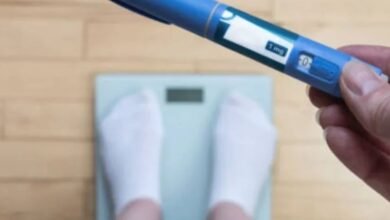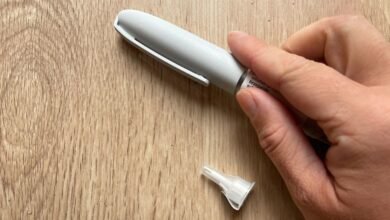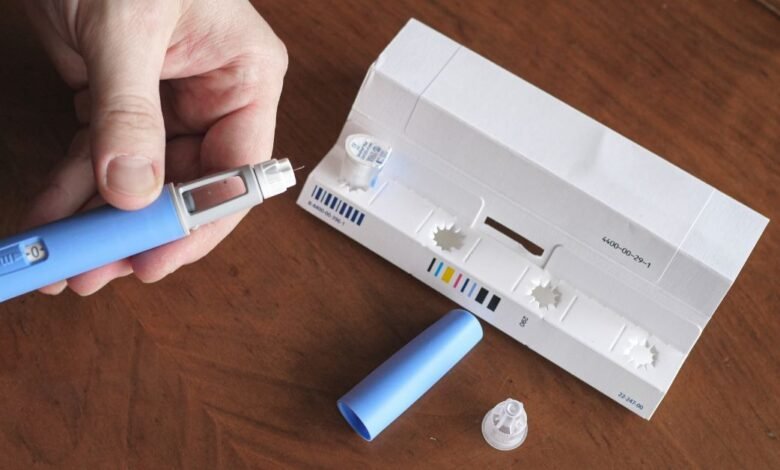
Tirzepatide is a prescription medication used in different treatment settings, including chronic weight management and type 2 diabetes. When prescribed for weight management, tirzepatide is generally administered as a once-weekly injection. Taking it consistently on the recommended schedule helps maintain regular medication levels and supports ongoing treatment.
The exact dose can change during treatment. Tirzepatide is usually started at a lower dose and increased gradually based on response and tolerability. Following the prescribed schedule is important because taking more medication or taking doses closer together does not necessarily improve results and may increase the risk of side effects.
RoenRx provides provider-guided GLP-1 treatment options for eligible patients, including tirzepatide. Patients seeking a tirzepatide weight loss prescription can receive treatment guidance based on their individual medical needs. Its current treatment information explains that GLP-1 injections are generally taken once per week on the same day each week unless a physician provides different instructions.
How Often Tirzepatide Online Prescription Is Taken
A tirzepatide online prescription is generally used once weekly when the medication is prescribed as an injectable treatment. For FDA-approved Zepbound, the current prescribing information recommends a 2.5 mg subcutaneous injection once weekly for the first four weeks. The dose can then be increased in 2.5 mg increments after at least four weeks, depending on treatment response and tolerability.
The maintenance dose for weight reduction may be 5 mg, 10 mg, or 15 mg once weekly, with 15 mg being the maximum recommended dose for Zepbound. Not everyone needs the highest dose. A healthcare provider determines the appropriate dose based on individual response and how well the medication is tolerated.
Why Tirzepatide Is Taken Once a Week
Tirzepatide is designed to remain active in the body for an extended period, which allows it to be administered weekly rather than daily. A once-weekly schedule can also make it easier for patients to incorporate treatment into their regular routine.
For RoenRx’s GLP-1 injection program, the recommended routine is generally one injection on the same day each week unless the prescribing physician gives different instructions. Keeping a consistent injection day can help patients remember their medication and maintain their treatment schedule.
Tirzepatide should not be taken more frequently simply because appetite changes or weight loss seem slower than expected. Treatment response develops over time, and dose changes should be made according to the provider’s instructions.
How Tirzepatide Doses Increase Over Time
Tirzepatide treatment typically begins with a lower dose rather than immediately using a higher maintenance dose. For Zepbound, the recommended starting dose is 2.5 mg once weekly for four weeks. After that period, the dose may be increased by 2.5 mg increments after at least four weeks on the current dose.
This gradual approach allows the healthcare provider to evaluate how the patient responds to treatment and whether side effects are manageable. Increasing the dose too quickly can make gastrointestinal side effects more difficult to tolerate.
The appropriate maintenance dose is different for each person. Some patients may achieve an appropriate response at a lower maintenance dose, while others may require a higher dose under medical supervision.
Choosing a Consistent Tirzepatide Injection Day
Many people find it easier to take tirzepatide on the same day every week. For example, a person might choose Monday as their regular injection day and continue using Monday for subsequent doses.
The injection can generally be administered at any time of day, with or without food, according to the FDA-approved Zepbound prescribing information. It is injected under the skin, commonly in the abdomen, thigh, or upper arm, and injection sites should be rotated.
The most important part is following the instructions provided with the specific medication and treatment plan. Patients using compounded tirzepatide should follow the instructions supplied by their prescribing provider and pharmacy because preparation and administration instructions can differ.
What Happens If You Miss a Tirzepatide Dose
Missing a dose does not mean you should automatically take two doses or take the next injection earlier than instructed. The correct response depends on the medication, timing of the missed dose, and the instructions provided with your prescription.
For FDA-approved Zepbound, the prescribing information includes specific instructions for a missed dose. Patients should review the medication guide and contact their healthcare provider or pharmacist if they are unsure what to do.
If you frequently forget injections, using a weekly reminder, calendar alert, or another routine can help. Keeping the medication schedule consistent may also make it easier to track treatment progress and communicate accurately with your provider.
How Long You Stay on Each Tirzepatide Dose
There is no single schedule that works for every patient. For Zepbound, dose increases are made only after at least four weeks on the current dose. The provider also considers treatment response and tolerability when selecting the maintenance dose.
This means a patient should not increase the dose simply because weight loss seems slower than expected. The body may need time to adjust, and some people may experience side effects when a dose is increased.
RoenRx provides provider-guided dose adjustments as part of its GLP-1 treatment options. Its program states that treatment plans can include dose adjustments when clinically appropriate, along with physician review and ongoing messaging support.
How RoenRx Supports Weekly Tirzepatide Treatment
RoenRx provides online medical care for eligible patients considering GLP-1 treatment. A licensed provider reviews the patient’s health information before a prescription is issued and can provide guidance on how the medication should be used.
For patients prescribed a weekly injectable GLP-1 medication, RoenRx provides instructions for maintaining a regular schedule. Its current information also includes ongoing physician messaging and scheduled check-ins, which can help patients discuss treatment response, side effects, and potential dose adjustments.
This type of ongoing medical support can be useful because tirzepatide treatment is not simply about taking an injection every seven days. Providers may need to monitor progress and tolerability over time and determine whether the current dose remains appropriate.
Why Following the Prescribed Schedule Matters
Taking tirzepatide according to the prescribed schedule helps keep treatment consistent. Changing the timing, increasing the dose independently, or taking additional injections can create unnecessary risks.
Tirzepatide can cause gastrointestinal side effects, including nausea, diarrhea, vomiting, constipation, and abdominal discomfort. These effects may be more noticeable when treatment begins or after dose increases. Following a gradual dosing schedule can help the body adjust to treatment.
Patients should also avoid combining tirzepatide with other tirzepatide-containing products or GLP-1 receptor agonists unless specifically directed by a qualified healthcare provider. The current Zepbound prescribing information does not recommend such combinations.
Tirzepatide Frequency and Long-Term Weight Management
Tirzepatide is generally intended to be part of a longer-term weight management plan for eligible patients. The once-weekly schedule can make ongoing treatment more manageable, while diet and physical activity remain important parts of the overall approach.
Weight changes do not necessarily occur at the same rate every week. Appetite may change before noticeable weight loss occurs, and progress can vary depending on dose, lifestyle habits, health conditions, and individual response.
Rather than focusing only on weekly scale changes, patients can work with their provider to monitor longer-term progress and determine whether treatment is producing the desired benefits.
See also: How Professional Design Boosts Business Success
Final Thoughts
Tirzepatide treatment is generally taken once a week when prescribed as an injectable medication for weight management. FDA-approved Zepbound starts at 2.5 mg once weekly for four weeks, with gradual dose increases based on response and tolerability. The maintenance dose may be 5 mg, 10 mg, or 15 mg once weekly.
The right schedule and dose depend on the specific medication and individual treatment plan. Taking tirzepatide consistently, following provider instructions, and avoiding independent dose changes can help support safe and effective treatment.
With RoenRx, eligible patients can receive provider-guided GLP-1 treatment and ongoing medical support. A qualified provider can explain the appropriate weekly schedule, monitor progress, and make treatment adjustments when clinically appropriate.