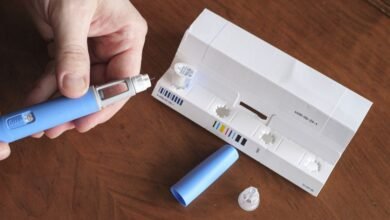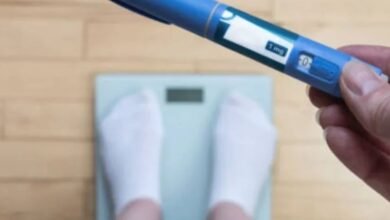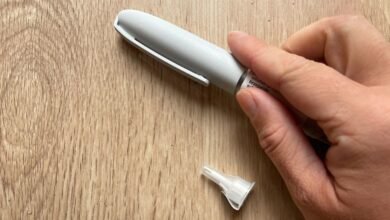
Weekly weight loss injections have become a popular medical option for people looking for additional support with weight management. These prescription treatments can help control appetite, increase feelings of fullness, and support weight loss when combined with healthy nutrition and regular physical activity. Medications containing semaglutide or tirzepatide are among the most discussed options.
For eligible patients, FitRx provides online medical weight loss care that may include GLP-1 medications, coaching, nutrition guidance, and ongoing provider support. Understanding how weekly injections work, who may qualify, possible side effects, and what results to expect can help you make informed decisions about treatment.
How Weekly Weight Loss Injections Work
Many weight loss injections work by influencing hormones involved in appetite, digestion, and blood sugar regulation. Semaglutide primarily acts on GLP-1 receptors, while tirzepatide works on both GLP-1 and GIP receptors.
These medications can help reduce hunger and make you feel full for longer after eating. As a result, some people find it easier to reduce their food intake and maintain healthier eating habits. The effects develop over time, so treatment usually begins with a lower dose before the provider considers increases.
Weekly injections are generally administered under the skin. Your healthcare provider can explain the appropriate injection area and show you how to use the medication safely.
Common Weekly Medications
Semaglutide and tirzepatide are two active ingredients commonly associated with prescription weight management. FDA-approved brand-name medications include Wegovy for chronic weight management and Zepbound for chronic weight management in eligible patients.
Other medications containing these ingredients have different FDA-approved indications. Ozempic contains semaglutide, while Mounjaro contains tirzepatide, and both are primarily approved for type 2 diabetes.
FitRx providers may prescribe medications including Zepbound, Wegovy, Ozempic, or Mounjaro when clinically appropriate. Compounded semaglutide and tirzepatide may also be available for eligible patients based on provider evaluation.
Who May Benefit From Weekly Injections
Weekly weight loss injections are prescription treatments, so eligibility depends on medical factors rather than simply wanting to lose weight. A healthcare provider may review your weight, BMI, medical history, current medications, existing health conditions, and previous weight management efforts.
Some people with obesity or overweight combined with weight-related health conditions may qualify for prescription treatment. Your provider may also consider whether there are medical reasons that make a particular medication unsuitable.
FitRx uses an online evaluation process in which a licensed provider reviews your health information before recommending treatment. Medication is prescribed only when the provider determines that it is medically appropriate.
What Results Can You Expect
Weight loss results differ from person to person. Your starting weight, medication, dosage, treatment duration, eating habits, physical activity, genetics, and overall health can all influence your outcome.
Clinical research has shown that some GLP-1 and GLP-1/GIP medications can produce substantial average weight loss over longer treatment periods. FitRx currently describes average weight loss of around 15–20% for medications containing semaglutide, while individual results can vary considerably.
It is important to avoid judging a medication based only on the first few weeks. Early treatment generally focuses on helping your body adjust to the medication. Weight changes may become more noticeable as treatment continues and your provider adjusts the dosage when appropriate.
Why Doses Increase Gradually
Weekly weight loss medications are usually introduced at a lower dose. Providers can then increase the dose according to the medication’s prescribing information and the patient’s response.
Gradual dose increases can help the body adjust and may reduce the likelihood or severity of certain digestive side effects. Not everyone needs the highest available dose. Your provider may keep you on a particular dose when it provides an appropriate response and remains well tolerated.
Never increase, decrease, or change your injection schedule without guidance from your healthcare provider.
Common Side Effects
Digestive symptoms are among the most common side effects associated with GLP-1 medications. These may include nausea, diarrhea, vomiting, constipation, stomach discomfort, indigestion, and reduced appetite.
Some people experience stronger symptoms when beginning treatment or after a dosage increase. Eating smaller meals, staying hydrated, and following the nutrition guidance provided by your care team may help you manage some digestive discomfort.
More serious reactions can also occur. Before treatment, your provider should review important warnings, medication interactions, and health conditions that could affect your eligibility.
Weekly Injections and Lifestyle Changes
Medication works best as part of a broader weight management plan. Weekly injections can help control appetite, but healthy nutrition and physical activity remain important for overall health.
A balanced diet can help you maintain adequate protein, fiber, vitamins, and minerals while reducing excessive calorie intake. Regular physical activity can support cardiovascular health, strength, fitness, and the preservation of lean muscle.
FitRx also offers weight loss coaching and nutrition and fitness support. This type of ongoing guidance can help people develop practical habits that complement their prescribed treatment.
Online Support for Weight Loss Treatment
One advantage of online medical weight management is the ability to communicate with healthcare professionals without making frequent in-person office visits. FitRx operates its weight loss program online, allowing eligible members to complete their health evaluation and communicate with their care team through secure digital services.
FitRx can provide access to licensed medical providers, weight loss coaching, progress tracking, and insurance coordination. Depending on the treatment plan, eligible patients may also receive prescribed medication through home delivery.
Ongoing communication can be useful when patients have questions about side effects, dosage, progress, or lifestyle changes. Treatment decisions remain under the direction of the licensed provider.
Insurance and Medication Costs
The cost of weekly weight loss injections can vary significantly depending on the medication, insurance plan, eligibility, and pharmacy. Some insurance plans may cover FDA-approved medications when specific requirements are met, while others may exclude weight loss treatments.
FitRx works with eligible members to explore insurance coverage for prescribed medications. When insurance does not cover a medication, compounded options may be available for appropriate patients.
FitRx currently advertises compounded semaglutide starting around $151 per month and compounded tirzepatide starting around $216 per month, depending on the treatment plan and eligibility. Medication costs are separate from the standard membership fee in many cases, so patients should review the current pricing before beginning treatment.
What to Know Before Starting
Before starting a weekly weight loss injection, discuss your medical history and current medications with a qualified healthcare provider. Certain health conditions, medications, pregnancy considerations, and previous reactions can affect whether a treatment is appropriate.
You should also understand how your medication should be stored, administered, and monitored. Follow the prescribed schedule rather than changing the frequency based on how quickly you want to lose weight.
It is also important to obtain prescription medication through legitimate medical and pharmacy channels. Compounded medications are not FDA-approved and do not undergo the same FDA premarket review as approved medications, so patients should understand the differences before choosing this type of treatment.
Long-Term Weight Management
Weight management usually requires more than a short period of medication use. Some people continue treatment because it helps control appetite and maintain weight loss, while others may eventually discuss changing or stopping treatment with their provider.
Stopping a weight loss medication can lead to increased appetite and possible weight regain for some people. Maintaining healthy eating, physical activity, and other lifestyle habits can therefore remain important even after medication changes.
Regular follow-up allows your provider to monitor your progress, review side effects, and determine whether your treatment plan should continue or change.
See also: How Professional Design Boosts Business Success
Final Thoughts
Weekly weight loss injections can be an effective medical option for eligible people who need additional support with weight management. Semaglutide and tirzepatide can influence appetite and fullness, making it easier for some people to maintain healthier eating patterns.
FitRx combines online medical evaluation with prescription care, coaching, nutrition and fitness support, and ongoing communication. If you are considering weekly weight loss injections, speak with a qualified provider to determine whether medication is appropriate for your health needs and understand the potential benefits, risks, costs, and long-term treatment requirements.