Construction sites are dynamic environments, filled with the promise of progress and development. However, this constant activity also presents significant risks. Creating a safer worksite is not just about compliance; it’s about establishing a culture of prevention that protects every individual on the job. A project’s true success is measured not only by the quality of the final structure but also by the well-being of the team that built it.
Implementing a robust safety program is the cornerstone of any responsible construction project. This involves proactive planning, consistent training, and a shared commitment from management to the frontline workers. Let’s explore the essential strategies for fostering a secure and productive construction environment.
The Foundation of Safety: Comprehensive Planning
Before the first shovel hits the ground, a detailed safety plan must be in place. This plan acts as the blueprint for mitigating hazards throughout the project lifecycle.
Hazard Identification and Risk Assessment
Every construction site has unique challenges. A thorough site-specific risk assessment should be conducted to identify potential dangers. This includes evaluating the terrain, potential for falls from height, electrical hazards, and risks associated with heavy machinery. By understanding these threats in advance, you can develop targeted strategies to control them. This initial assessment should be a living document, updated as the project evolves and new potential dangers emerge.
Clear Communication Protocols
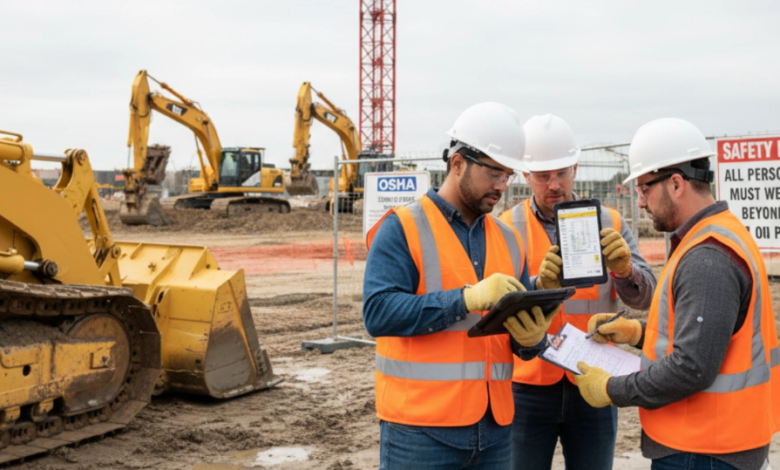
Effective communication is vital. Establish clear protocols for daily safety briefings, or toolbox talks, to discuss the day’s tasks and associated risks. Ensure that all workers, including subcontractors, know the emergency procedures, the location of first-aid stations, and how to report an incident or a near-miss. A well-informed team is a safer team.
Equipping for Success: Training and Proper Gear
A plan is only as effective as the people implementing it. Proper training and the right equipment are non-negotiable components of a safe worksite.
Ongoing Safety Training
Initial safety orientation is just the beginning. Continuous training keeps safety at the forefront of everyone’s mind. Regular sessions should cover topics like fall protection, proper equipment operation, and hazard communication standards. Specialized training is also critical for tasks requiring specific expertise. For instance, teams that require a crane rental in Utah for a specific lift must be trained on signaling, rigging, and emergency procedures unique to that operation.
Providing and Maintaining Personal Protective Equipment (PPE)
Personal Protective Equipment is the last line of defense against injury. All workers must be provided with appropriate, well-fitting PPE, including hard hats, safety glasses, high-visibility clothing, and steel-toed boots. It’s not enough to simply supply the gear; there must be strict enforcement of its use. Furthermore, regular inspections of all PPE are necessary to ensure it is in good condition and capable of providing the protection it was designed for.
See also: How Professional Design Boosts Business Success
Fostering a Culture of Accountability
True safety goes beyond rules and regulations. It requires building a culture where every person feels responsible for their own safety and the safety of their colleagues.
Leadership Buy-In
Safety starts at the top. When project managers and supervisors visibly champion safety protocols, it sends a powerful message. Leaders should actively participate in safety meetings, conduct site walk-throughs, and consistently enforce safety rules. This demonstrates a genuine commitment to protecting the workforce.
Empowering Workers
Encourage workers to take an active role in their own safety. Create a system where employees can report unsafe conditions or practices without fear of retaliation. When workers feel empowered to speak up, they become valuable partners in identifying and correcting hazards before an incident occurs.
By prioritizing comprehensive planning, continuous training, and a culture of shared responsibility, you can transform your worksite. A safer construction site is not only more ethical but also more efficient and productive, ensuring that you are breaking new ground, not bones.