Most adults can trace their feelings about the dentist back to one early memory. Sometimes it was fine. Sometimes it wasn’t. That first experience sticks.
That’s why pediatric dental care for kids isn’t just about cleaning tiny teeth. It’s about shaping how a child feels walking into a dental office for years to come.
It starts earlier than most people think.
The First Visit Isn’t About Perfection
Many parents worry before that first appointment. What if the child cries? What if they won’t open their mouth?
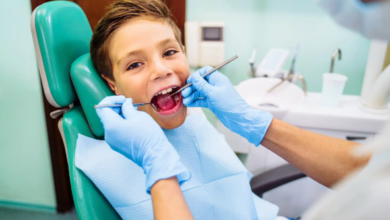
Truth is, that first visit is usually simple. A quick look. Maybe a gentle cleaning. A conversation more than anything else.
Some of the best tips for first dentist appointment moments are surprisingly basic: schedule it in the morning when the child isn’t tired, talk about it casually, and avoid using words like “shot” or “hurt,” even in reassurance.
Kids read tone more than words anyway.
See also: Comparing Infusion Methods in Modern Healthcare
Preparing Without Over-Preparing
Preparing child for dentist doesn’t mean rehearsing every step in detail. It means setting the right expectation.
Saying, “The dentist is going to count your teeth and make sure they’re strong,” works better than giving a technical explanation. Keep it short. Keep it calm.
Reading a simple book about dental visits helps too. So does letting them bring a favorite stuffed animal along.
The goal isn’t to eliminate nerves completely. It’s to make the unknown feel manageable.
Why Early Experiences Matter
Building healthy dental habits early is about more than brushing. It’s about familiarity.
When children visit regularly, the dental office becomes routine. Not a place only associated with pain or emergencies. Just another stop on the calendar, like a haircut.
That steady exposure lowers the chances of dental anxiety later. Kids who grow up with positive visits usually become adults who don’t avoid care.
And that changes everything long term.
Handling Dental Anxiety Gently
Even with the best preparation, some children feel nervous. That’s normal. Every personality is different.
Modern practices use simple dental anxiety solutions for kids that don’t feel clinical. Slow introductions. Explaining tools in kid-friendly language. Letting children ask questions. Sometimes even giving them a small choice, like picking the flavor of toothpaste.
Control, even in small amounts, builds confidence.
It’s also helpful when parents stay relaxed. Kids notice tension instantly. If the adult looks calm, they’re more likely to settle too.
The Home Connection
Family dental care for kids doesn’t stop at the office door. The atmosphere at home shapes dental habits just as much.
Brushing together helps. Making it part of a bedtime routine instead of a battle helps even more. Avoid turning it into a negotiation every night. Calm consistency works better than pressure.
And it’s okay if brushing isn’t perfect every single time. The pattern matters more than one rushed evening.
Let It Be Normal
Some parents feel the need to make dental visits overly exciting or dramatic to keep things positive. It doesn’t have to be that way.
When dental care feels ordinary, kids accept it as part of life. Not a big event. Not a scary one either.
Pediatric dental care for kids works best when it blends into the rhythm of growing up. First tooth. First visit. First loose tooth. Each stage building on the last.
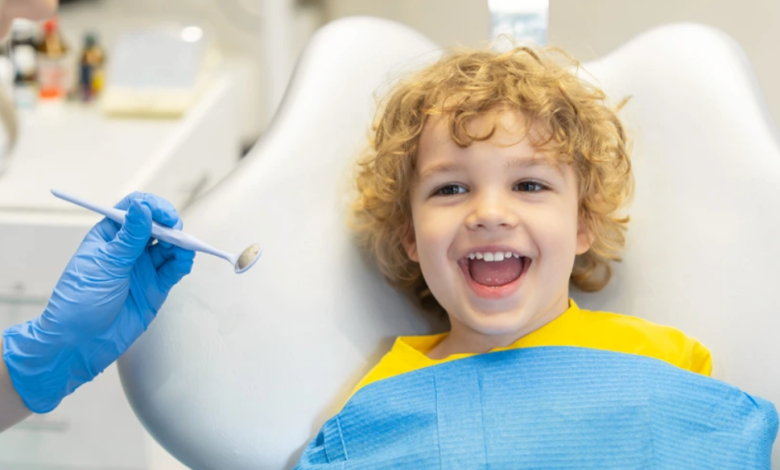
Practices like Grin Pediatric Dentistry focus on that kind of steady, child-centered approach where comfort, patience, and consistency shape each appointment. Over time, those small, steady experiences create something bigger. A child who climbs into the chair without fear. A teenager who doesn’t skip cleanings. An adult who understands the value of staying consistent.
It doesn’t take perfection. Just patience, routine, and a calm start from the very beginning.