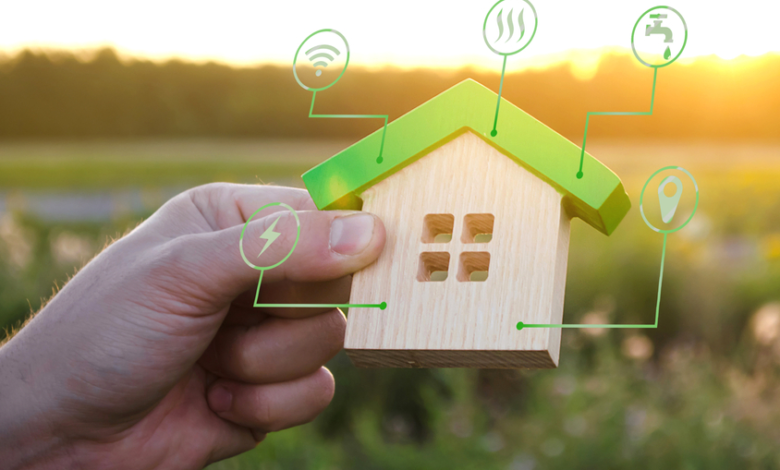
The construction industry is embracing eco-friendly practices as sustainability becomes a priority. Green building focuses on using sustainable materials, reducing energy use, conserving water, and managing waste responsibly throughout a building’s lifecycle. This guide explores key principles and innovative technologies shaping a more sustainable future, proving that development can coexist with environmental preservation.
Sustainable Material Selection
The foundation of any eco-friendly construction project lies in the materials used. Choosing sustainable, renewable, and recycled materials can dramatically reduce a building’s environmental impact.
Bamboo
Often called “green steel,” bamboo is a remarkable building material. It’s a type of grass that grows incredibly fast, reaching maturity in just three to five years, compared to the decades it takes for traditional timber. Bamboo is strong, lightweight, and highly versatile, making it suitable for everything from flooring and scaffolding to structural frames. Its rapid regeneration means it can be harvested without causing deforestation, making it an excellent renewable resource.
Recycled Steel
Steel is a cornerstone of modern construction, but its production is energy-intensive. Using recycled steel is a much more sustainable alternative. It requires significantly less energy to produce than virgin steel, which reduces greenhouse gas emissions. Furthermore, steel can be recycled repeatedly without losing its structural integrity. By opting for recycled steel, construction projects can reduce their reliance on raw materials and divert a substantial amount of waste from landfills.
Reclaimed Wood
Reclaimed wood, salvaged from old buildings, barns, and other structures, brings character and history to new projects. Using reclaimed wood prevents old timber from ending up in landfills and reduces the demand for new lumber, which helps preserve forests. Each piece of reclaimed wood tells a story, adding a unique aesthetic to floors, beams, and decorative features while promoting a circular economy.
Designing for Energy Efficiency
Creating energy-efficient buildings is a core component of green construction. The goal is to minimize the energy required for heating, cooling, and lighting, thereby reducing operational costs and carbon emissions.
Passive Design Strategies
Passive design uses the natural environment to maintain a comfortable temperature inside a building. This includes orienting a building to take advantage of natural sunlight and shade, using large windows on the south-facing side (in the Northern Hemisphere) for winter warmth, and incorporating overhangs to block the high summer sun. Proper insulation is also crucial, as it prevents heat loss in the winter and heat gain in the summer, reducing the need for artificial heating and cooling.
High-Performance Windows
Windows are a significant source of energy loss. High-performance windows, such as double or triple-glazed units with low-emissivity (Low-E) coatings, can significantly improve a building’s energy efficiency. These windows help insulate the building by reflecting heat while allowing light to pass through, keeping interiors cooler in the summer and warmer in the winter.
Renewable Energy Systems
Integrating renewable energy sources is a powerful way to reduce a building’s reliance on the grid. Solar panels are a popular choice, converting sunlight into electricity to power the building. Other options include geothermal heating and cooling systems, which use the stable temperature of the earth to regulate indoor climate, and small-scale wind turbines in appropriate locations.
See also: Harnessing CBT Techniques for Effective Depression Management
Conserving Water in Construction
Water is a precious resource, and eco-friendly construction practices place a strong emphasis on its conservation.
Rainwater Harvesting
Collecting rainwater is a simple yet effective way to reduce a building’s water consumption. Rainwater harvesting systems capture runoff from the roof and store it in tanks. This water can then be used for non-potable purposes, such as irrigating landscapes, flushing toilets, and cleaning, which significantly decreases demand on municipal water supplies.
Low-Flow Fixtures
Installing water-efficient fixtures is another key strategy. Low-flow toilets, faucets, and showerheads are designed to use significantly less water than standard models without sacrificing performance. This simple change can lead to substantial water savings for the building’s occupants over the long term.
Greywater Recycling
Greywater recycling systems take wastewater from showers, sinks, and washing machines, treat it, and reuse it for non-potable applications like toilet flushing and landscape irrigation. This approach maximizes water use efficiency and further reduces the strain on freshwater sources.
Managing Waste and Preventing Pollution
Construction sites have historically been major producers of waste. Green building practices aim to change that through careful planning and on-site management.
Construction Waste Management
A robust waste management plan is essential. This involves sorting materials on-site for recycling, such as wood, metal, drywall, and cardboard. By diverting these materials from landfills, projects can reduce their environmental impact and sometimes even generate revenue from selling recyclables. Designing buildings with standard material sizes can also minimize off-cuts and reduce waste from the outset.
Pollution and Risk Prevention
Effective site management also includes preventing pollution. For example, a Stormwater Pollution Prevention Plan (SWPPP), such as those offered in Utah, is crucial for managing runoff from the construction site. This plan outlines measures to control sediment and pollutants, such as silt fences and designated concrete washout areas, preventing them from entering local waterways and ecosystems. Minimizing dust and noise pollution is also part of a responsible construction site management strategy.
Conclusion
Adopting eco-friendly construction practices is more than just a trend; it is a necessary evolution of the industry. By carefully selecting sustainable materials, designing for energy and water efficiency, and managing waste responsibly, we can create buildings that are healthier for both people and the planet.