Methamphetamine impacts both the brain and body in significant ways. Its effects are immediate and long-lasting, posing serious health challenges. Understanding these impacts is essential for those seeking to assist individuals struggling with meth addiction in Florida and beyond.
Methamphetamine is a potent stimulant that affects the central nervous system. Its widespread use is associated with numerous health risks, including severe physical and mental health complications. When considering meth addiction treatment, it is crucial to understand the physiological and neurological impacts of meth use. By gaining insight into these effects, you can better comprehend the complexities involved in supporting someone facing meth addiction.
Understanding the Physical Health Effects
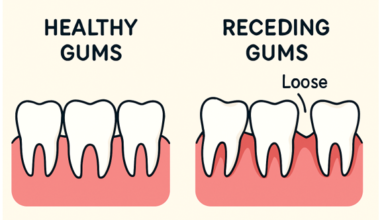
Using methamphetamine immediately affects your body in various ways. Meth triggers a surge of dopamine, which creates a feeling of euphoria but also disrupts your body’s systems. This surge can lead to increased heart rate, elevated blood pressure, and hyperthermia, conditions that can be life-threatening. Over time, meth use can cause weight loss, dental problems known as “meth mouth”, and skin sores due to compulsive scratching.
The long-term physical health consequences are equally concerning. Chronic meth use can result in severe cardiovascular damage, increasing your risk of heart attacks and strokes. Respiratory issues are also common due to the inhalation of toxic chemicals used in meth production. These physical ailments highlight the importance of addressing addiction early to prevent irreversible damage and improve quality of life. A Florida treatment center can offer the necessary resources for breaking the cycle.
The impact on the immune system is another critical concern that often goes unnoticed. Methamphetamine suppresses immune function, making users more susceptible to infections and illnesses. The body’s ability to heal from wounds and fight off common diseases becomes compromised, leading to prolonged recovery times and increased vulnerability to opportunistic infections. This weakened immune response, combined with poor nutrition and hygiene habits common among users, creates a perfect storm for serious health complications that can persist long after cessation of use.
Recognizing Changes in Brain Chemistry
Beyond physical effects, methamphetamine significantly alters brain chemistry and function. It affects neurotransmitter systems, particularly dopamine pathways, which are crucial for pleasure and reward processing. These alterations can lead to cognitive deficits, impacting memory, attention span, and decision-making abilities. Users often experience decreased cognitive function, which makes daily tasks challenging.
Emotional changes are also prevalent among those using meth. Increased anxiety, paranoia, or even hallucinations can occur due to prolonged use. These mental health changes can persist even after stopping meth use, underscoring the need for comprehensive treatment approaches that address both physiological and psychological aspects of addiction. Understanding how to help someone with meth addiction requires acknowledging these complex changes within their brain chemistry.
Recognizing Broader Health Risks
Methamphetamine use carries numerous health risks that extend beyond immediate physical and neurological effects. One major concern is the increased risk of developing mental health disorders such as depression or anxiety. The interaction between meth use and mental health disorders creates a cycle that can be difficult to break without professional intervention.
What’s more, meth users are at higher risk for infectious diseases like HIV/AIDS and hepatitis due to risky behaviors often associated with drug use. Additionally, there are significant social consequences such as relationship breakdowns and job loss resulting from erratic behavior and inability to fulfill responsibilities. Recognizing these risks emphasizes the importance of targeted interventions that address both the medical and social dimensions of addiction recovery.
See also: Enhancing Mental Health Treatment Approaches in Texas
Addressing Meth-Related Health Concerns
The comprehensive understanding of how meth impacts both the brain and body highlights the critical need for awareness and education in combatting this issue. Recognizing the signs of addiction early allows for timely intervention through appropriate treatment options tailored to individual needs. Emphasizing awareness in communities can drive supportive measures towards those affected.
Education serves as a vital tool in reducing stigma around addiction while promoting healthier lifestyle choices that deter initial drug use. By spreading knowledge on how to help someone with meth addiction effectively, society can foster environments conducive to recovery rather than perpetuating cycles of misuse and neglect.