Power distribution networks play a critical role in delivering electricity reliably and efficiently from generation sources to end users. As energy demand grows and sustainability becomes a global priority, utilities and industrial operators are increasingly focused on reducing energy losses, optimizing space, and improving long term operational efficiency.
Gas insulated switch gear has emerged as a highly effective solution for modern power distribution systems. Its compact design, superior insulation properties, and reduced energy losses make it a valuable technology for enhancing energy efficiency across a wide range of applications.
This article explores how gas insulated switch gear contributes to energy efficiency in power distribution, examining its design principles, operational advantages, and long term impact on electrical networks.
Understanding Gas Insulated Switch Gear
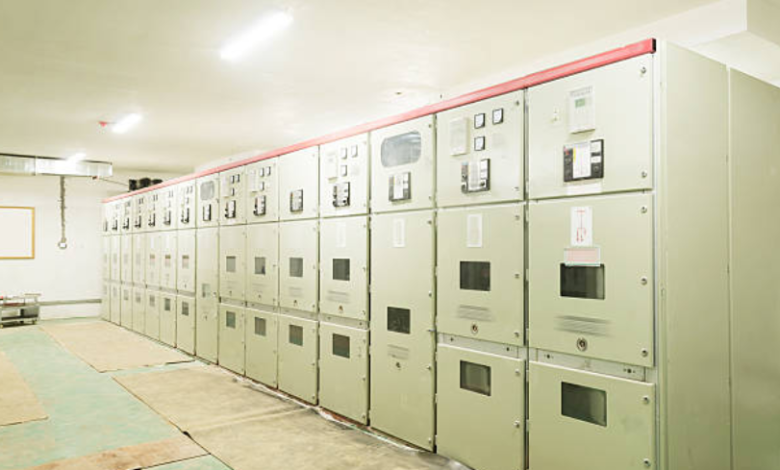
Gas insulated switch gear, commonly referred to as GIS, is a type of electrical switchgear where major components such as circuit breakers, disconnectors, and busbars are enclosed within a sealed metal housing filled with insulating gas. Sulfur hexafluoride is the most widely used insulating medium due to its excellent dielectric and arc quenching properties.
Unlike air insulated switchgear, GIS systems are designed to operate in a controlled internal environment. This design significantly reduces the influence of external conditions such as humidity, dust, and pollution, which can negatively impact performance and efficiency.
Role of Switchgear in Power Distribution Efficiency
Switchgear is responsible for controlling, protecting, and isolating electrical equipment in power distribution networks. Inefficient switchgear can lead to energy losses, voltage drops, equipment overheating, and increased maintenance requirements. Over time, these issues contribute to higher operational costs and reduced system reliability.
Energy efficiency in switchgear is influenced by several factors including insulation quality, conductor resistance, thermal management, and system reliability. Gas insulated switch gear addresses these areas through advanced engineering and material selection.
Reduced Electrical Losses Through Superior Insulation
One of the most significant energy efficiency benefits of gas insulated switch gear lies in its superior insulation performance. The insulating gas used within GIS has a much higher dielectric strength compared to air. This allows components to be placed closer together while maintaining safe operating conditions.
The improved insulation results in lower leakage currents and reduced partial discharge activity. These factors directly contribute to minimized energy losses within the system. Over extended periods of operation, even small reductions in losses translate into substantial energy savings.
Key insulation related benefits include
- Lower dielectric losses compared to air insulated systems
- Reduced risk of partial discharge and insulation degradation
- Stable electrical performance under high voltage conditions
Compact Design and Optimized Current Paths
Gas insulated switch gear is known for its compact footprint. By enclosing components in a sealed environment, GIS allows for shorter conductor lengths and more efficient current paths. Reduced conductor length leads to lower electrical resistance, which directly decreases I²R losses within the system.
The compact design also supports efficient layout planning, especially in urban substations and industrial facilities where space constraints are common. Optimized current flow not only improves energy efficiency but also enhances voltage stability across the network.
Improved Thermal Performance and Heat Management
Energy losses in electrical systems often manifest as heat. Excessive heat can degrade components, increase resistance, and reduce overall efficiency. Gas insulated switch gear offers superior thermal performance due to its enclosed design and effective heat dissipation mechanisms.
The insulating gas helps distribute heat evenly within the enclosure, preventing localized hot spots. Additionally, GIS systems are typically designed with advanced thermal modeling to ensure optimal temperature control under various load conditions.
Effective thermal management contributes to energy efficiency in several ways
- Maintains low conductor resistance
- Prevents overheating related losses
- Extends equipment lifespan and consistent performance
See also: The Future of Tooth Replacement: Modern Advances in Dental Implant Technology
Enhanced Reliability Reducing Energy Waste
System reliability is closely linked to energy efficiency. Frequent faults, outages, or equipment failures result in energy losses during shutdowns, restarts, and corrective operations. Gas insulated switch gear is inherently more reliable due to its sealed construction and reduced exposure to environmental contaminants.
By minimizing the risk of faults caused by moisture, dust, or pollution, GIS systems ensure consistent performance and reduced downtime. This reliability helps prevent unnecessary energy waste associated with unplanned interruptions and equipment damage.
Lower Maintenance Requirements and Energy Savings
Traditional air insulated switchgear often requires regular inspection, cleaning, and maintenance to maintain performance levels. Maintenance activities themselves consume energy through labor, auxiliary systems, and operational disruptions.
Gas insulated switch gear significantly reduces maintenance requirements due to its sealed design. Components are protected from external environmental factors, allowing them to operate efficiently for longer periods without intervention.
Lower maintenance demands contribute to energy efficiency by
- Reducing auxiliary energy consumption
- Minimizing operational disruptions
- Maintaining optimal performance without frequent adjustments
Suitability for High Voltage and High Load Applications
As power distribution networks evolve, they increasingly operate at higher voltages and carry heavier loads. At higher voltage levels, energy losses become more pronounced if insulation and system design are inadequate.
Gas insulated switch gear from Meta Power Solutions performs exceptionally well in high voltage environments. Its strong dielectric properties enable efficient operation at elevated voltage levels without increasing energy losses. This makes GIS an ideal choice for substations, renewable energy integration points, and industrial facilities with demanding power requirements. To know m
Support for Renewable Energy Integration
The transition toward renewable energy sources such as solar and wind requires highly efficient and reliable power distribution infrastructure. Renewable generation often introduces variable power flows and frequent switching operations, which can strain conventional switchgear systems.
Gas insulated switch gear supports renewable integration by offering stable performance under fluctuating load conditions. Its efficient switching and low loss characteristics help maintain energy efficiency even as power flows change dynamically. This contributes to better utilization of renewable energy and reduced overall system losses.
Long Term Energy Efficiency and Lifecycle Benefits
Energy efficiency should be evaluated over the entire lifecycle of power distribution equipment rather than only at the point of installation. Gas insulated switch gear offers long term advantages that extend beyond immediate operational savings.
The durable design and extended service life of GIS systems mean fewer replacements and upgrades over time. Manufacturing, transportation, and installation of replacement equipment consume significant energy. By reducing the frequency of these activities, GIS contributes indirectly to overall energy efficiency.
Lifecycle benefits include
- Extended operational lifespan
- Stable efficiency over decades of service
- Reduced energy consumption associated with replacements
Environmental Considerations and Efficiency Balance
While gas insulated switch gear offers notable energy efficiency benefits, it is important to consider environmental aspects related to insulating gases. Modern GIS designs focus on minimizing gas leakage and improving gas handling practices to maintain efficiency while reducing environmental impact.
Advancements in gas alternatives and improved sealing technologies continue to enhance the sustainability profile of GIS systems. These developments ensure that energy efficiency gains are achieved without compromising environmental responsibility.
Applications Where Energy Efficiency Gains Are Most Significant
Gas insulated switch gear is particularly beneficial in environments where energy efficiency and space optimization are critical. Typical applications include
- Urban substations with high load density
- Industrial plants with continuous power demand
- Renewable energy integration facilities
- High voltage transmission and distribution nodes
In these settings, the reduced losses, compact design, and reliable performance of GIS deliver measurable efficiency improvements over conventional solutions.
Future Trends in Gas Insulated Switch Gear Efficiency
Ongoing research and innovation continue to enhance the energy efficiency of gas insulated switch gear. Developments such as digital monitoring, advanced materials, and intelligent control systems are further reducing losses and improving operational precision.
Digital sensors integrated into GIS allow real time monitoring of temperature, gas pressure, and electrical parameters. This data driven approach enables proactive optimization of system performance, ensuring that energy efficiency is maintained under changing operating conditions.
Conclusion
Energy efficiency is a fundamental requirement for modern power distribution systems facing increasing demand and sustainability challenges. Gas insulated switch gear offers a combination of superior insulation, compact design, reduced losses, and long term reliability that directly contributes to improved energy performance.
By minimizing electrical and thermal losses, enhancing system reliability, and supporting high voltage and renewable energy applications, gas insulated switch gear plays a crucial role in building efficient and resilient power distribution networks. Its benefits extend across operational, lifecycle, and system level efficiency, making it a key technology in the future of energy distribution.