Sewer systems are a critical part of modern infrastructure, essential for public health and environmental safety. They transport wastewater from homes and cities, preventing disease and protecting water sources from contamination.
Types of Sewer Systems
Wastewater from your property is managed by one of two main types of sewer systems: municipal or septic. The system you use typically depends on your location and the local infrastructure.
Municipal Sewer Systems
Most urban and suburban properties are connected to a municipal sewer system. This is a large, public network of pipes and pump stations owned and operated by a local government or utility authority. All wastewater from homes, businesses, and industries in the area flows through this network to a centralized wastewater treatment plant.
At the treatment plant, the water undergoes a multi-stage process to remove contaminants, solids, and harmful bacteria before it is safely discharged back into the environment, such as a river or ocean. The main advantage of a municipal system is its convenience; the utility is responsible for the maintenance and operation of the entire network, though property owners are responsible for the lateral line that connects their property to the main sewer line.
Septic Systems
Septic systems are common in rural or less densely populated areas where connecting to a municipal sewer system isn’t feasible. A septic system is a self-contained, onsite wastewater treatment solution that is entirely the property owner’s responsibility.
It typically consists of two main components:
- Septic Tank: This is a large, underground container, usually made of concrete, fiberglass, or plastic. Wastewater from the house flows into this tank, where solids settle to the bottom to form sludge, and lighter materials like oil and grease float to the top to form scum. Bacteria in the tank work to break down the solid waste.
- Drainfield (or Leach Field): The liquid wastewater, known as effluent, flows out of the tank and into the drainfield. The drainfield is a series of perforated pipes laid in underground trenches filled with gravel or other porous materials. The effluent slowly seeps out of the pipes, through the gravel, and into the surrounding soil, which acts as a natural filter to remove remaining impurities.
Key Requirements and Regulations
Both municipal and septic systems are subject to strict regulations to protect public health and the environment. These rules can vary by state and local jurisdiction, but some general principles apply.
For Municipal Connections:
- Permits: You will almost always need a permit to connect to a public sewer line or to perform major repairs on your sewer lateral.
- Materials: Local codes specify the types of pipes (e.g., PVC, cast iron) and other materials that are approved for use.
- Backflow Prevention: Many municipalities require the installation of a backwater valve to prevent sewage from the main line from backing up into your home during heavy rainfall or blockages.
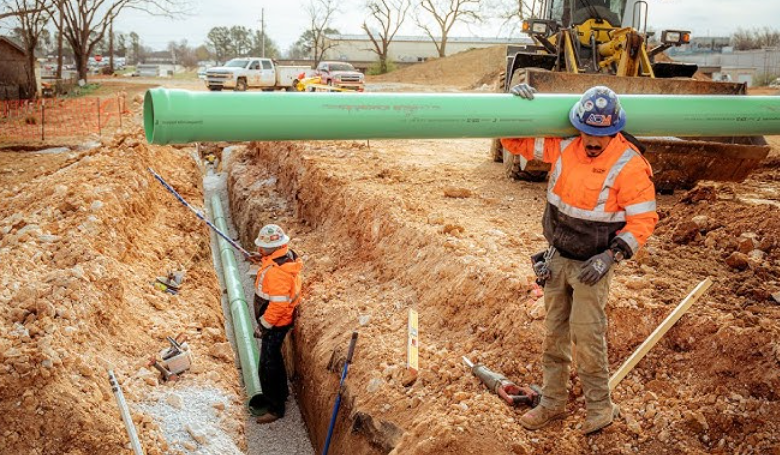
- Inspections: Work done on your sewer line typically needs to be inspected by a city official to ensure it meets all code requirements before the trench is backfilled.
For Septic Systems:
- Permits and Design Approval: Before installing a new septic system, you must obtain a permit. This involves submitting a detailed design plan created by a licensed engineer or designer. The design is based on soil tests (percolation tests) that determine how quickly the soil can absorb water.
- Setbacks: Regulations require septic tanks and drainfields to be installed a minimum distance away from wells, property lines, buildings, and water bodies to prevent contamination.
- Sizing: The size of the septic tank and drainfield is determined by the number of bedrooms in the house and local soil conditions. An undersized system will fail prematurely.
- Maintenance Mandates: Some areas have regulations that require septic tanks to be inspected and pumped on a regular schedule.
See also: How Professional Design Boosts Business Success
Maintaining Your Sewer System
Proactive maintenance is the best way to ensure your sewer system operates smoothly for years to come.
Tips for All Systems:
- Be Mindful of What You Flush: The only things that should be flushed down the toilet are human waste and toilet paper. Avoid flushing “flushable” wipes, feminine hygiene products, paper towels, and dental floss, as these can cause clogs.
- Avoid Grease and Oil: Never pour cooking grease, fats, or oils down the drain. They solidify in the pipes and create stubborn blockages. Collect grease in a container and dispose of it in the trash.
- Use Water Efficiently: Reducing water usage puts less strain on your sewer system, whether it’s municipal or septic.
Specific Tips for Septic Systems:
- Regular Pumping: Your septic tank should be pumped every 3-5 years, depending on your household size and tank capacity. This removes the accumulated sludge and scum. If you are looking for professional septic tank cleaning services in Salt Lake City, be sure to choose a licensed and reputable provider.
- Protect Your Drainfield: Do not drive or park vehicles on your drainfield. Avoid planting trees or large shrubs nearby, as their roots can damage the pipes. Direct runoff from roofs and driveways away from the drainfield to prevent it from becoming waterlogged.
- Limit Garbage Disposal Use: Food waste contributes to the solids in your septic tank, meaning it will need to be pumped more frequently.
Common Problems and Troubleshooting
Even with good maintenance, problems can arise. Here are a few common issues:
- Clogs: These are often caused by grease buildup or flushing improper items. A professional plumber can usually clear these with a snake or hydro-jetting.
- Tree Root Intrusion: Tree roots are naturally drawn to the moisture and nutrients in sewer lines and can break through pipes, causing blockages and leaks.
- Pipe Collapse or Corrosion: Older pipes, especially those made of cast iron or clay, can corrode or collapse over time, requiring partial or full replacement.
- Septic System Failure: Signs of a failing septic system include slow drains, plumbing backups, foul odors in the yard, or unusually green grass over the drainfield. This is a serious issue that requires immediate professional attention.
Future Trends in Sewer Technology
The world of wastewater management is evolving, with new technologies focused on sustainability and efficiency.
- Smart Sewer Systems: Sensors and data analytics are being used to monitor flow rates, detect blockages in real-time, and predict maintenance needs in municipal systems.
- Advanced Septic Systems: Newer septic technologies, such as aerobic treatment units (ATUs), provide a higher level of treatment. This makes them suitable for properties with poor soil conditions or those near sensitive water bodies.
- Water Recycling and Reuse: Treatment plants are increasingly incorporating advanced processes to purify wastewater to a standard where it can be reused for irrigation, industrial processes, or even to supplement drinking water supplies.
Conclusion
Your sewer system is a vital part of your property. By understanding the requirements, performing regular maintenance, and addressing problems quickly, you can protect your investment and the environment. If you ever have questions or concerns about your system, don’t hesitate to consult with a licensed plumber or a septic system professional.