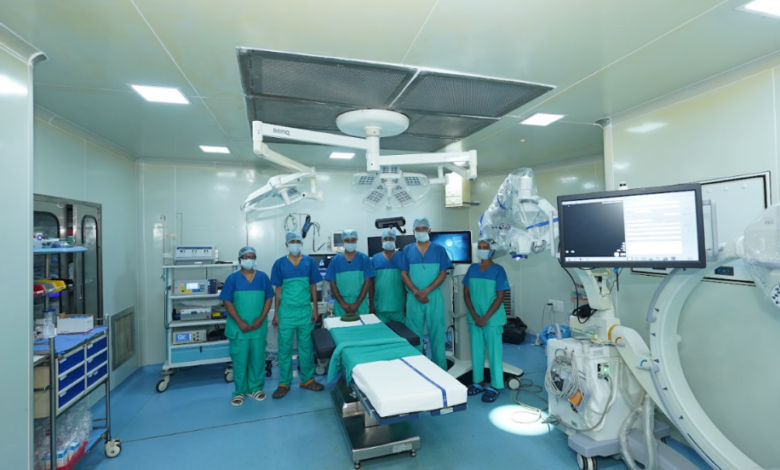
Choosing where to seek medical care can feel overwhelming. You’re not just picking a building. You’re trusting someone with your health, maybe even your life. Ranchi has seen considerable growth in its healthcare facilities over recent years, but that doesn’t make the decision any easier for patients and their families.
Hospital in Ranchi options vary widely in terms of services, specialisations, and the kind of care you can expect. Some facilities focus on general medicine, whilst others handle complex surgical cases. Understanding what’s available helps you make better choices when it matters most. The worry of receiving inadequate care or facing complications because you didn’t know where to go is real.
What makes a medical facility suitable for your needs? Location matters, but so does the range of treatments offered. A hospital in Ranchi might have modern equipment, but if the staff lacks experience in handling your specific condition, that technology means little. You need more than just proximity when your health is at stake.
Types of Medical Facilities Available
Ranchi offers different categories of healthcare providers. Multi-speciality centres handle everything from cardiac care to orthopaedics under one roof. Speciality hospitals focus on particular areas like maternity or cancer treatment. Then there are smaller nursing homes and clinics for routine care.
Each type serves a purpose. Multi-speciality facilities work well for complex cases requiring multiple departments. If you’re dealing with a heart condition that might need surgery, having cardiologists, cardiac surgeons, and intensive care units in the same place makes sense. Speciality centres offer deeper expertise in their focus areas.
General practitioners and smaller clinics handle day-to-day health concerns. They’re often the first point of contact for most people. Fevers, infections, and minor injuries typically get managed here. Knowing when to visit which type of facility can save time and potentially your life during emergencies.
Emergency Services and Critical Care
Medical emergencies don’t wait for convenient moments. They happen at odd hours, catch you unprepared, and leave you panicking about where to go. Ranchi’s healthcare system includes facilities with 24-hour emergency departments, but not all are equipped equally.
Some centres have dedicated trauma care units with specialists available round the clock. Others might have basic emergency services but transfer critical cases elsewhere. This difference becomes crucial when someone is experiencing a heart attack, stroke, or severe accident injuries.
Ambulance services connect patients to these facilities. Response times vary across different parts of the city. Areas closer to major medical centres naturally get faster access. If you live on the outskirts, perhaps knowing which facility is nearest and what they can handle becomes even more critical.
Specialised Treatment Options
Certain health conditions demand specific expertise. Cardiac care requires different skills compared to neurological issues or cancer treatment. Ranchi now has facilities offering advanced cardiac procedures, including interventional cardiology. Patients no longer need to travel to bigger cities for many heart-related treatments.
Cancer care has also expanded. Oncology departments provide chemotherapy, radiation therapy, and surgical interventions. The availability of these services locally means patients can stay closer to family during treatment. That emotional support matters tremendously during difficult medical journeys.
Orthopaedic care covers joint replacements, spine surgeries, and trauma management. Sports injuries, age-related joint problems, or accident cases find treatment here. Neurology and neurosurgery handle brain and nerve conditions. Maternity services range from normal deliveries to high-risk pregnancy management.
See also: Enhancing Mental Health Treatment Approaches in Texas
Diagnostic Capabilities Matter
Treatment decisions depend on accurate diagnosis. Modern diagnostic facilities include CT scans, MRI machines, advanced blood testing, and pathology services. Not every centre has all these capabilities. Some rely on external laboratories for certain tests.
Waiting times for diagnostic procedures vary. A facility might have an MRI machine but limited slots, leading to delays. When dealing with conditions where early detection changes outcomes, these delays can be frustrating. Perhaps checking diagnostic availability before settling on a facility makes sense.
Quality control in laboratories affects test accuracy. Misdiagnosed conditions lead to wrong treatments, wasted time, and potentially dangerous situations. Facilities accredited by recognised bodies generally maintain better standards. You might want to ask about quality certifications when choosing where to get tested.
Doctor Availability and Expertise
Medical infrastructure isn’t just about buildings and machines. The people operating them matter more. Ranchi has specialists across various fields, but their availability differs. Some doctors work at multiple facilities, splitting their time between locations.
Finding a specialist for your condition might require research. Cardiologists, neurologists, gastroenterologists, and pulmonologists each bring different expertise. Experience levels vary, too. A doctor who’s performed hundreds of a particular surgery likely has better outcomes than someone newer to the procedure.
Consultation processes differ across facilities. Some allow online appointment booking, whilst others require physical visits or phone calls. During health crises, getting timely appointments becomes crucial. Knowing which facilities offer quicker access to specialists can reduce anxiety during stressful health situations.
Understanding Quality Indicators
How do you judge if a medical facility provides good care? Cleanliness is visible and matters for infection control. But deeper quality indicators exist. Does the facility follow protocols for patient safety? Do they have systems for managing medical emergencies?
Accreditation from national or international bodies suggests certain standards are met. These organisations audit facilities regularly, checking everything from staff qualifications to emergency preparedness. Not all centres pursue these certifications, but those that do generally maintain higher standards.
Patient outcomes tell another story. Facilities with lower complication rates and better recovery statistics indicate quality care. These numbers aren’t always publicly available, which makes choosing harder. Perhaps asking about success rates for specific procedures gives you some insight.
Cost Considerations and Insurance
Healthcare expenses can devastate families financially. Ranchi’s facilities range from government hospitals offering subsidised care to private centres with premium pricing. Understanding what you might pay helps avoid nasty surprises during already stressful times.
Insurance coverage varies by facility and policy. Some centres work with multiple insurance providers, whilst others accept only select plans. Cashless treatment availability matters during emergencies when arranging large sums quickly becomes difficult.
Government schemes provide coverage for certain procedures and populations. Knowing what’s covered under these programmes might reduce your out-of-pocket expenses significantly. Medical tourism within the city means some patients travel from surrounding areas seeking specific treatments or better rates.
Making Your Choice
Every health situation differs. Routine check-ups need different considerations compared to emergency surgeries or chronic disease management. Location, specialisation, doctor availability, costs, and your specific condition all factor into the decision.
Start by identifying what you need. Is this an emergency requiring immediate care? A planned procedure where you have time to research options? Ongoing management of a chronic condition? Your answer shapes which facility type suits best.
Talk to people who’ve used these facilities. Personal experiences reveal aspects no website mentions. How did the staff treat them? Were promised services actually available? Did recovery go smoothly? These real-world insights matter.
Your health deserves informed decisions. Ranchi’s healthcare infrastructure continues to develop, offering more options than before. Understanding what’s available, what to look for, and what questions to ask puts you in a better position when medical needs arise. Don’t wait until an emergency to figure out your options.