Good oral health is not only about having a bright smile; it is closely tied to overall well-being and confidence. While routine dental appointments are crucial for identifying issues early, much of the responsibility for maintaining healthy teeth falls on daily habits practiced at home. The care taken between visits plays a decisive role in preventing cavities, gum disease, and other common problems. By adopting consistent routines that prioritize cleanliness, a healthy diet, and protective measures, individuals can significantly reduce the likelihood of developing severe conditions. The habits each day are the foundation for lifelong dental health. Maintaining teeth between appointments is not a complex task, but it requires commitment and awareness of the small choices that affect oral hygiene. These actions, when practiced regularly, ensure that the efforts of professional treatments last longer and contribute to a healthier smile that remains strong over time.
Maintaining Healthy Teeth Between Dental Visits
1. Daily Oral Hygiene Practices
Brushing and flossing are the core practices that keep teeth strong and gums healthy. Brushing should be done at least twice a day with a fluoride toothpaste, using a soft-bristle toothbrush that can clean thoroughly without damaging the enamel. Each session should last about two minutes, covering every surface of the teeth to remove plaque buildup. Flossing once a day ensures that food particles and bacteria between teeth are removed, reducing the risk of cavities in places a toothbrush cannot reach. Many people underestimate the value of proper technique, but brushing too quickly or neglecting flossing leaves harmful residue behind. Mouthwash adds another layer of protection, helping to reduce bacteria and freshen breath. For those seeking professional guidance on building effective habits, clinics like Be Well Dental often offer personalized advice tailored to individual needs. By committing to these daily hygiene routines, individuals can prevent plaque buildup and protect their teeth.
See also: How Preventive HVAC Maintenance with Trust 1 Saves You Money Over Time
2. The Role of Diet in Oral Health
What we eat and drink has a significant effect on dental health, making diet a crucial factor in maintaining strong teeth between visits. Sugary foods and beverages feed bacteria that produce acids, which gradually erode enamel and create cavities. Acidic drinks, such as soda or citrus juices, also weaken enamel if consumed too frequently. To counter these effects, incorporating calcium-rich foods such as milk, cheese, and yogurt helps strengthen enamel and support bone structure. Crunchy fruits and vegetables such as apples and carrots act as natural cleaners, stimulating saliva flow and reducing plaque accumulation. Drinking plenty of water throughout the day not only helps wash away food particles but also balances pH levels in the mouth. Snacks high in fiber promote saliva production, which naturally neutralizes acids. By making wise dietary choices, individuals reduce the strain on their teeth and gums, ensuring that professional treatments last longer and oral health remains stable.
3. Preventive Habits Beyond Cleaning
Maintaining healthy teeth requires more than just rushing and a balanced diet; preventive habits also play a significant role in reducing risks. Avoiding tobacco is critical, as it stains teeth, causes bad breath, and significantly increases the risk of gum disease and oral cancer. Protecting teeth during sports with a properly fitted mouthguard helps prevent chips, cracks, and more severe injuries. Even daily habits such as chewing on ice or biting fingernails can damage enamel or cause fractures, making mindfulness important. Using straws for acidic drinks limits direct contact with teeth, reducing erosion. Hydration remains equally important, as dry mouth creates an environment where bacteria thrive. For individuals who grind their teeth at night, a night guard protects against gradual wear. These preventive steps may seem small, but they have a lasting impact, ensuring teeth remain strong and functional between visits. Taking responsibility for these habits supports long-term oral health and reduces avoidable dental problems.
Recognizing Early Warning Signs
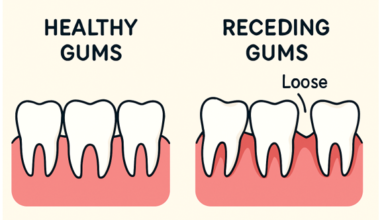
Awareness of changes in the mouth can make a significant difference in addressing problems early. Sensitivity to hot or cold foods, persistent bad breath, or bleeding gums are not issues to ignore, as they may indicate the development of cavities or gum disease. Consistent monitoring helps identify these signs before they progress into serious concerns that require complex treatments. Paying attention to color changes in the teeth or gums can also help identify problems that need attention. White patches, swelling, or receding gums should prompt an evaluation by a dental professional. Bad habits, such as ignoring discomfort, often result in more pain and increased costs later. Instead, taking note of these early symptoms and acting quickly ensures problems remain manageable. Recognizing warning signs is just as important as practicing preventive habits because it ensures dental health stays on track between scheduled appointments. Regular awareness supports early intervention, reducing complications and improving overall oral well-being.
Maintaining healthy teeth between dental visits requires a combination of daily hygiene, dietary care, preventive practices, and awareness of warning signs. Brushing, flossing, and using mouthwash form the base of good oral hygiene, while making careful food choices supports enamel strength and gum health. Preventive measures, such as wearing guards or avoiding harmful habits, protect teeth from unnecessary damage. Being mindful of changes ensures that issues are caught early and addressed before they escalate. These consistent efforts help prolong the benefits of professional treatments and reduce the frequency of major interventions. Ultimately, oral health is sustained by the discipline practiced each day, not just during dental visits. By committing to healthy routines, individuals ensure that their smiles remain strong, attractive, and functional throughout their lives. A proactive approach to dental care keeps it manageable, promotes overall well-being, and reinforces the importance of protecting one of the body’s most essential assets.