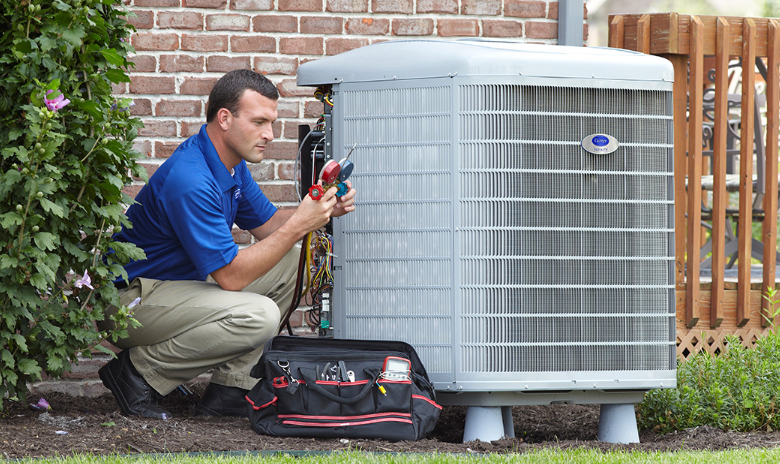
Air conditioning systems are designed to provide comfort by regulating temperature and humidity, but their effectiveness depends on each component functioning smoothly. One often overlooked yet essential element is the drainage system, which removes condensation that forms during cooling. When drains become clogged, the entire air conditioning system is compromised, creating issues that go beyond inconvenience. Blockages can lead to leaks, water damage, reduced efficiency, and costly repairs if left unresolved. Understanding the connection between clogged drains and system performance underscores the importance of regular maintenance for the health of both the equipment and the home.
How Clogged Drains Develop in AC Units
Clogged drains typically form when dirt, dust, and debris combine with moisture in the condensate line, eventually creating blockages. Mold and algae growth can also accumulate within the line, further narrowing the passageway. As this buildup increases, water can no longer exit the system properly, backing up into the unit and surrounding areas. This often goes unnoticed until visible signs appear, such as puddles of water or reduced cooling efficiency. Once drainage is obstructed, the system is forced to work harder to maintain comfort levels, resulting in increased wear and higher energy consumption. Many homeowners only discover the problem after performance issues arise or when water damage becomes visible around the unit. At this stage, professional intervention is usually required to restore proper drainage and prevent further complications.
See also: Creating a Home That Feels Warm, Stylish, and Full of Life
Damage and Efficiency Issues from Clogs
When a drain is clogged, condensation has nowhere to go, leading to water backing up into the air conditioning system. This water may overflow into surrounding areas, potentially causing damage to flooring, walls, and ceilings. Beyond physical damage, stagnant water inside the system can foster mold growth, circulating harmful particles throughout the home. The unit itself also suffers, as excess moisture can corrode components and reduce efficiency. A system struggling under these conditions consumes more electricity, which drives up energy bills and places unnecessary strain on the equipment. Homeowners often find that resolving clogged drain issues early can save significant time and money compared to addressing extensive water or mold damage. In some cases, seeking an Air conditioning repair service becomes the most practical solution to ensure the system is restored safely and effectively.
Signs That Indicate a Drain Problem
Although clogged drains may develop silently, there are clear warning signs that indicate when an issue is present. One of the most common is water pooling around the air conditioning unit or damp spots near the system’s indoor components. Another sign is reduced cooling performance, as the system becomes less efficient when water cannot exit properly. Strange odors, often caused by mold or mildew growth inside the clogged line, can also indicate trouble. In severe cases, the air conditioner may shut down entirely if a safety switch detects excess water. Homeowners who recognize these signs early can address the problem before it escalates into costly repairs. Identifying these symptoms is not only about preserving comfort but also about protecting the home from potential water damage.
Preventive Maintenance for Healthy Drains
The most effective way to prevent clogged drains is through consistent maintenance. Plumbers and HVAC technicians often recommend routine cleaning of the condensate line to keep it clear of debris and microbial buildup. This process may involve flushing the line with safe solutions or using specialized tools to remove blockages. Regular inspections also ensure that minor clogs are caught before they create significant damage. Additionally, maintaining proper air filter changes helps reduce the amount of dust and dirt entering the system, thereby limiting buildup in the drainage line. Preventive care not only supports smooth operation but also extends the overall lifespan of the unit. With routine attention, clogged drains become far less likely, allowing the air conditioning system to function efficiently and reliably throughout the year.
Clogged drains may seem like a minor issue, but their impact on air conditioning systems is significant. They compromise efficiency, create opportunities for mold growth, and lead to costly water damage if neglected. By understanding how clogs form and recognizing the early signs of trouble, homeowners can take steps to address problems before they escalate. Preventive maintenance remains the most vigorous defense against these issues, ensuring drains stay clear and systems operate smoothly. A reliable air conditioning system is about more than just cooling; it is about safeguarding the comfort and health of the home. Proper care of drainage systems is a small step with a significant impact on long-term performance and peace of mind.