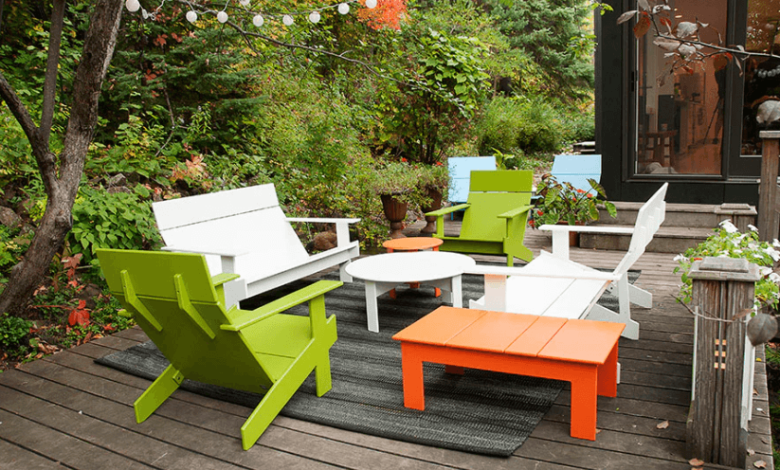
A beautiful backyard can be a source of pride and a perfect spot for relaxation. But creating and maintaining that space often comes at an environmental cost, from high water consumption to the use of chemical fertilizers. Fortunately, it is possible to have a stunning garden that is also kind to the planet. Sustainable landscaping is about making smart choices that conserve resources, support local wildlife, and reduce your overall environmental footprint.
This guide will walk you through practical tips for creating a beautiful and sustainable outdoor space. By incorporating these practices, you can design a yard that is not only visually appealing but also contributes positively to the local ecosystem. From selecting native plants to harvesting rainwater, these strategies will help you build an eco-friendly oasis you can enjoy for years to come.
Design with Nature in Mind
The first step toward a sustainable yard is thoughtful design. Instead of imposing a rigid plan, work with the natural layout of your property. Observe how sunlight moves across your yard throughout the day and identify areas that are naturally sunny or shady. Notice the natural slopes and low spots where water tends to collect.
By designing your garden around these existing conditions, you reduce the need for extensive modifications. Planting sun-loving species in bright spots and shade-tolerant plants in darker corners means they will thrive with less intervention. Similarly, using low-lying areas for rain gardens can help manage stormwater runoff naturally. A well-considered design minimizes effort and resource use from the very beginning.
Choose Native and Drought-Tolerant Plants
One of the most effective ways to create a sustainable landscape is to use native plants. These are species that have evolved in your local climate and soil conditions, which means they are naturally adapted to thrive with minimal assistance. Native plants require less water, fertilizer, and pest control than non-native species.
In addition to being low-maintenance, native plants provide essential food and shelter for local wildlife, including birds, bees, and butterflies. Incorporating a variety of native grasses, flowers, shrubs, and trees will create a resilient and biodiverse habitat. For those living in drier climates, drought-tolerant plants, or xeriscaping, is another excellent choice for conserving water while maintaining a vibrant garden.
Conserve Water with Smart Irrigation
Water is a precious resource, and traditional landscaping can be incredibly thirsty. Adopting smart irrigation techniques can significantly reduce your water consumption. Drip irrigation systems and soaker hoses are highly efficient, delivering water directly to the plant roots where it’s needed most, minimizing loss to evaporation.
Consider installing a rain barrel to collect stormwater runoff from your roof. This harvested water is free, naturally soft, and perfect for watering your plants. Watering your garden early in the morning or late in the evening also reduces evaporation. By being mindful of how and when you water, you can keep your garden hydrated without wasting this vital resource.
Improve Your Soil with Organic Matter
Healthy soil is the foundation of a healthy garden. Instead of relying on chemical fertilizers, enrich your soil with organic matter. Composting is a fantastic way to recycle kitchen scraps and yard waste into nutrient-rich food for your plants. Adding compost improves soil structure, enhances water retention, and provides a slow release of essential nutrients.
Mulching is another key practice. A layer of organic mulch, such as wood chips, shredded leaves, or straw, helps retain soil moisture, suppress weeds, and regulate soil temperature. As the mulch breaks down, it further enriches the soil. Healthy, living soil supports strong plant growth, reducing the need for artificial inputs.
See also: 6 Smart Layout Tips for a More Organized Home
Avoid Pesticides and Herbicides
Chemical pesticides and herbicides can harm beneficial insects, contaminate water sources, and pose risks to pets and people. Embrace an integrated pest management (IPM) approach to handle garden pests sustainably. This involves encouraging natural predators like ladybugs and birds, using physical barriers, and hand-picking pests when you see them.
For weed control, a thick layer of mulch is often your best defense. Pulling weeds by hand or using natural, vinegar-based herbicides are also effective alternatives to chemical sprays. A healthy, dense planting of desirable species will naturally outcompete most weeds, creating a balanced and resilient garden ecosystem.
Reduce Lawn Space
While a green lawn can be lovely, it is often one of the most resource-intensive parts of a yard. Traditional turfgrass requires frequent mowing, watering, and fertilizing. Consider reducing the size of your lawn and replacing it with more sustainable alternatives.
You could create a wildflower meadow, plant a native groundcover, or expand your garden beds. Patios, decks, and gravel paths also offer attractive, low-maintenance alternatives to grass. If you work with a professional landscape company in Utah or your local area, they can offer creative solutions for designing beautiful, functional spaces that require fewer resources than a traditional lawn.
Use Sustainable Materials
When adding hardscaping elements like patios, walkways, or retaining walls, choose materials thoughtfully. Opt for reclaimed or recycled materials like old bricks or salvaged wood whenever possible. Permeable pavers are another great choice, as they allow rainwater to soak into the ground instead of running off into storm drains.
For garden furniture and structures, look for items made from sustainably harvested wood or recycled plastic. By selecting eco-friendly materials, you can ensure that every element of your outdoor space aligns with your sustainability goals.
Create Your Green Sanctuary
Building a sustainable outdoor space is a rewarding journey that benefits both you and the environment. By making conscious choices—from the plants you select to the water you use—you can create a beautiful, low-maintenance garden that supports local ecosystems. These practices not only conserve resources but also connect you more deeply with the natural world right outside your door.
Start small by incorporating one or two of these tips, and gradually build on your successes. With time, you can transform your yard into a thriving, eco-friendly haven that you can feel good about.