Aging is inevitable, but how we age is not entirely out of our control. While genetics play a role, a growing body of research shows that aging is heavily influenced by what’s happening deep inside our bodies, especially at the cellular level. One of the biggest contributors to the aging process is something most of us don’t even notice: oxidative stress.
Understanding and reducing oxidative stress may be one of the most powerful things you can do to slow biological aging, improve how you feel today, and increase your chances of living a longer, healthier life.
The Silent Threat: What Oxidative Stress Does to Your Body
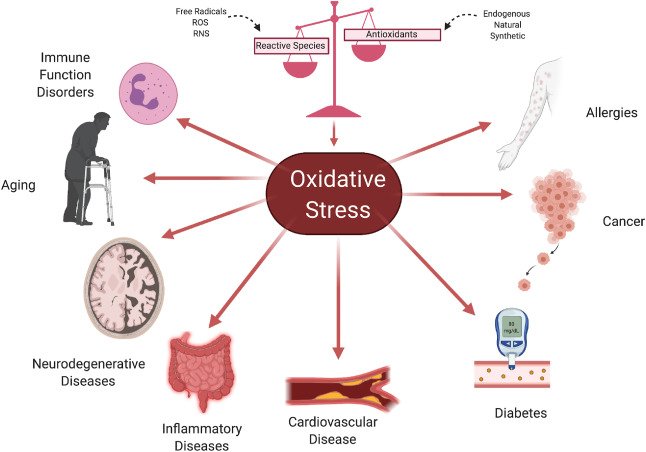
Every day, our bodies create energy by converting food and oxygen into fuel. But this natural process also produces byproducts known as free radicals. These unstable molecules can damage cells, proteins, and DNA. When free radicals overwhelm the body’s defenses, the result is oxidative stress.
Think of oxidative stress like rust on metal – slow, invisible, and destructive over time. It contributes to inflammation, damages mitochondria (your cells’ energy factories), and accelerates everything from wrinkles to chronic diseases like heart disease, cancer, and Alzheimer’s.
Unlike a sudden illness, oxidative stress builds quietly. You might not feel it happening, but its effects accumulate, weakening your body’s resilience and pushing you further into a state of biological wear and tear.
Daily Habits That Speed Up Oxidative Damage
The modern world isn’t kind to our cells. Many everyday habits and exposures can ramp up free radical production. Processed foods, excess sugar, and trans fats put stress on your metabolism. Lack of physical activity and poor sleep impair your body’s ability to repair itself. Chronic stress floods your system with hormones that suppress immune function and promote inflammation. And environmental factors like air pollution, smoking, alcohol, and pesticides only add more oxidative pressure.
Even excessive or unbalanced exercise, while healthy in moderation, can tip the scales toward oxidative overload if recovery and nutrition aren’t dialed in. It’s not about avoiding everything, but about understanding what adds stress, and what helps protect against it.
How to Support Longevity by Reducing Oxidative Damage
Protecting your cells doesn’t require extreme measures. In fact, some of the best ways to reduce oxidative stress involve simple, consistent lifestyle shifts that support the body’s natural defense systems. Eating a variety of colorful fruits and vegetables supplies antioxidants like vitamin C, E, and polyphenols that help neutralize free radicals. Regular physical activity stimulates your antioxidant enzymes and improves circulation, which in turn helps clear cellular waste.
Other factors like quality sleep, reducing exposure to toxins, and managing stress through breathwork, meditation, or time in nature all support oxidative balance. These habits don’t just help you feel better, they protect your cells from long-term damage.
For those interested in deeper therapeutic strategies, the emerging field of oxidative medicine offers promising approaches to support cellular health, prevent age-related decline, and potentially extend lifespan.
Read Also: Comparing Infusion Methods in Modern Healthcare
Real Benefits: How Cellular Protection Slows the Aging Process
Reducing oxidative stress doesn’t mean chasing immortality, it means helping your body age with strength, clarity, and resilience. When oxidative stress is under control, mitochondria function more efficiently, leading to better energy throughout the day. Cells replicate more cleanly, slowing visible signs of aging like wrinkles and skin dullness. The brain remains sharper, inflammation stays low, and immune cells are more effective at fighting infection and detecting early signs of disease.
In short, the body stays younger at a cellular level for longer. This translates into real-life benefits: fewer sick days, more energy to move and play, better recovery from workouts or injuries, and a reduced risk of chronic illness in your later years.
Final Thoughts: It’s Not About Stopping Time – It’s About Helping Your Body Last Longer
Longevity isn’t about turning back the clock, but about giving your body the conditions it needs to thrive as the years pass. Reducing oxidative stress is one of the clearest, most evidence-based ways to support this goal. By protecting your cells, you’re investing in your future energy, mobility, and independence.
Start small. Choose whole foods over processed ones, prioritize rest and recovery, move your body daily, and find ways to manage the stress of modern life. These aren’t just wellness tips – they’re tools for biological preservation.
And if you’re curious about how emerging therapies and advanced science are taking cellular health even further, don’t miss our full guide on oxidative medicine and its role in healthy aging.