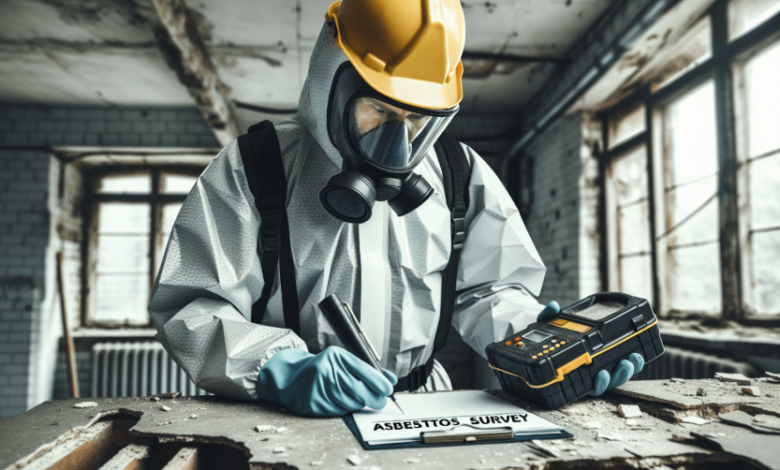
Ensuring the safety of building occupants requires a comprehensive approach that addresses both asbestos-related hazards and fire risks. An integrated strategy that combines thorough asbestos surveys with detailed fire risk assessments can not only meet regulatory requirements but also provide property owners and managers with actionable insights to maintain safe environments. We will explore how such a methodology enhances safety, streamlines compliance, and supports long-term property management, offering a proactive solution for reducing risks associated with older buildings and complex infrastructures.
Comprehensive Safety Management
Asbestos remains a significant concern in many buildings constructed before the early 2000s. Comprehensive asbestos surveys, such as those offered through a reliable London Asbestos testing service, are crucial for identifying and assessing the presence of asbestos-containing materials (ACMs) throughout a property. Surveys follow a systematic approach to inspect all areas, including hidden or less accessible locations, to ensure no risk goes undetected. Proper identification of ACMs is essential because even small quantities, when disturbed or deteriorated, can pose serious health risks to occupants and maintenance personnel.
Sampling and laboratory analysis are integral to accurate asbestos detection. Suspected materials, such as insulation, roofing, floor tiles, and pipe lagging, are carefully sampled and analyzed in accredited laboratories to confirm the presence and type of asbestos. Results are compiled into detailed reports that outline the location, condition, and risk level of ACMs. These reports serve as a roadmap for property managers, offering clear guidance on whether materials can remain safely in place under a management plan or require removal. A thorough understanding of asbestos risk also enables better planning for renovations, maintenance work, or emergency interventions.
Parallel to asbestos management, fire safety assessments are critical for evaluating the overall protection of a building. Detailed inspections focus on identifying potential fire hazards, examining existing prevention and detection measures, and ensuring compliance with fire safety regulations. Areas of focus typically include emergency exits, alarm systems, emergency lighting, electrical safety, and the storage of flammable materials. Assessing these factors provides a complete understanding of vulnerabilities that could compromise occupant safety and business continuity in the event of a fire.
Integrating asbestos surveys with fire risk assessments creates a unified safety management strategy. Coordinating both assessments allows property managers to address multiple hazards simultaneously, ensuring a cohesive and thorough approach. This integration reduces the chance of overlooking critical safety issues while promoting efficient planning and resource allocation. Combined management strategies also streamline compliance processes, as both asbestos and fire safety regulations are considered within a single operational framework. This holistic approach supports long-term safety, ensuring that interventions are proactive rather than reactive.
See also: The Role of Realtors in Marina del Rey When Buying a Home
A further benefit of this integrated methodology is improved documentation and accountability. Detailed reports from both asbestos and fire assessments provide clear records of a property’s safety status, highlighting risks and recommended actions. These reports are invaluable for regulatory inspections, audits, and insurance purposes. They also provide evidence of due diligence, demonstrating that property owners have taken necessary steps to protect occupants and maintain compliance with health and safety regulations. Comprehensive documentation can significantly reduce liability while promoting a culture of safety within an organization.
The client-focused nature of the approach ensures that assessments are tailored to the specific needs of each property. Recognizing that no two buildings are alike, services are adapted to address the unique characteristics and risk profiles of each site. This ensures that assessments are practical, actionable, and relevant to the conditions of the property. Maintaining open communication with property owners and managers throughout the assessment process fosters collaboration, ensuring that findings and recommendations are clearly understood and implemented efficiently.
Adopting a proactive safety strategy that combines asbestos and fire management also helps optimize long-term property maintenance. By identifying hazards early and providing structured recommendations, property managers can plan repairs, maintenance, or remediation work in a way that minimizes disruption and cost. Preventive measures reduce the likelihood of emergencies and extend the lifespan of building assets. Moreover, having an integrated safety plan allows for smoother coordination among contractors and maintenance teams, reducing overlap and ensuring that work is performed in a safe, compliant manner.
In addition to safety and compliance benefits, this comprehensive approach enhances the overall operational efficiency of property management. Coordinating inspections and interventions for both asbestos and fire safety within the same framework reduces duplication of effort and allows for better scheduling of maintenance activities. It also provides a central point of reference for monitoring and reviewing safety measures over time, allowing managers to track improvements and respond promptly to any emerging risks. The long-term focus on prevention ensures that properties remain safe, compliant, and operationally efficient year after year.
An integrated approach to asbestos and fire safety management offers a robust solution for property owners and managers seeking to ensure the protection of building occupants. Combining detailed asbestos surveys with comprehensive fire risk assessments provides a holistic framework for identifying hazards, ensuring regulatory compliance, and supporting proactive property maintenance. By coordinating these critical safety functions, properties can operate more efficiently while maintaining a high standard of safety. Through careful planning, thorough documentation, and tailored interventions, an integrated safety management strategy strengthens overall building resilience and fosters long-term confidence in a safe and secure environment.
<iframe src=”https://www.google.com/maps/embed?pb=!1m18!1m12!1m3!1d2481.002427207263!2d-0.18175439999999998!3d51.549854499999995!2m3!1f0!2f0!3f0!3m2!1i1024!2i768!4f13.1!3m3!1m2!1s0x487610adccd37d7d%3A0xbbf013dcfe754e36!2sSupernova%20Asbestos%20Surveys!5e0!3m2!1sen!2sro!4v1699894945571!5m2!1sen!2sro” width=”600″ height=”450″ style=”border:0;” allowfullscreen=”” loading=”lazy” referrerpolicy=”no-referrer-when-downgrade”></iframe>