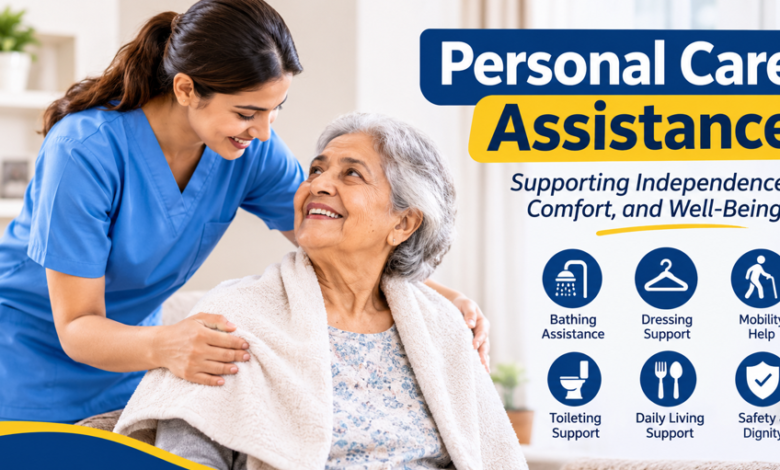
Personal hygiene, dressing, mobility, and other daily activities are essential parts of maintaining a healthy and comfortable lifestyle. However, aging, physical disabilities, chronic illnesses, or temporary injuries can make these everyday responsibilities difficult to manage independently. When individuals struggle with routine tasks, the right support can make a meaningful difference in their quality of life. Understanding personal care assistance helps individuals and families recognize the importance of appropriate daily support and how it contributes to physical health, dignity, and independence.
Personal care is not simply about helping someone complete basic activities. It involves understanding individual needs, respecting personal preferences, and creating an environment where people feel safe and comfortable. Whether an older adult needs help getting dressed or someone recovering from surgery requires temporary assistance with bathing, personalized care can make everyday life more manageable.
What Is Personal Care Assistance and Why Does It Matter?
Personal care assistance refers to practical support provided to individuals who need help managing essential daily activities. It is particularly valuable for older adults, people living with disabilities, individuals recovering from medical procedures, and those experiencing health conditions that affect their mobility or physical abilities.
Unlike general household assistance, personal care focuses on activities directly related to an individual’s personal well-being, hygiene, and daily functioning.
Common personal care responsibilities include:
- Bathing and showering: Helping individuals maintain personal hygiene while minimizing the risk of slips and falls.
- Dressing and grooming: Providing assistance with choosing appropriate clothing, getting dressed, brushing hair, and maintaining personal appearance.
- Toileting support: Helping individuals use the bathroom safely and maintain proper hygiene.
- Mobility assistance: Supporting movement between rooms, helping individuals get in and out of beds or chairs, and assisting with walking.
- Oral hygiene: Encouraging regular toothbrushing, denture care, and other essential oral hygiene routines.
- Eating assistance: Helping individuals prepare for meals, use eating utensils, and maintain adequate nutrition when physical limitations interfere with eating.
These services address more than physical requirements. Consistent assistance can also reduce anxiety, improve confidence, and help individuals maintain familiar routines.
For example, an older adult with arthritis may find buttoning a shirt or stepping into a bathtub painful. Appropriate assistance allows that person to maintain personal hygiene and dress comfortably without unnecessary physical strain.
How to Arrange Effective Personal Care Assistance
Finding suitable support requires more than identifying someone who can help with daily activities. Families should consider the individual’s physical condition, personal preferences, safety requirements, and level of independence before establishing a care arrangement.
The following steps provide a practical approach.
1. Identify Individual Care Requirements
Start by evaluating which daily activities have become difficult. Avoid assuming that someone needs complete assistance simply because they struggle with one particular task.
For instance, an individual recovering from a hip replacement might manage eating and grooming independently but require support with bathing, dressing, and walking.
Create a list of activities where assistance is necessary and identify those the individual can still perform independently. This distinction helps establish an appropriate care routine without unnecessarily limiting personal autonomy.
2. Establish a Consistent Daily Routine
Predictability is particularly important for individuals who experience mobility challenges, memory difficulties, or age-related limitations.
A practical daily routine might include:
- Morning: Assistance with getting out of bed, bathing, dressing, and grooming.
- Midday: Support with meals, bathroom visits, and mobility.
- Afternoon: Assistance with changing clothes, personal hygiene, and comfortable positioning.
- Evening: Help with preparing for bed, oral hygiene, and other nighttime routines.
The schedule should reflect the individual’s preferences rather than following a rigid timetable. Some people prefer showering in the morning, while others find evening bathing more comfortable.
3. Prioritize Safety and Proper Techniques
Personal care activities can involve physical risks, especially when supporting someone with limited balance or mobility.
Caregivers should understand safe transfer techniques, appropriate positioning, and basic fall-prevention measures. Bathrooms should have nonslip flooring, accessible towels, and suitable grab bars where necessary.
For individuals who need substantial mobility assistance, caregivers should use appropriate equipment, such as transfer aids or shower chairs, when recommended.
Importantly, caregivers should never attempt physically demanding transfers without proper training or equipment.
4. Respect Privacy and Personal Preferences
Personal care involves sensitive activities, making privacy and dignity essential.
Before assisting with bathing, dressing, or toileting, caregivers should explain what they intend to do and obtain the individual’s consent. They should also use towels, curtains, or closed doors to maintain privacy.
Whenever possible, allow individuals to make their own decisions about clothing, bathing schedules, grooming preferences, and other personal routines.
These small considerations can significantly improve the experience of receiving assistance.
5. Monitor Changes in Physical and Emotional Well-Being
Caregivers should pay attention to changes in appetite, mobility, skin condition, mood, and personal hygiene.
For example, unexplained bruising, persistent redness, unusual fatigue, or sudden difficulty walking may indicate an underlying problem that requires medical attention.
Maintaining simple care notes can help families identify recurring concerns and communicate relevant observations to healthcare professionals.
Common Mistakes and Challenges in Personal Care
Even well-intentioned families and caregivers can make mistakes when arranging daily support. Recognizing these challenges helps prevent unnecessary discomfort and safety concerns.
Providing too much assistance: Taking over every activity can gradually reduce an individual’s confidence and independence. Encourage people to complete tasks they can safely manage themselves.
Ignoring personal preferences: Following a routine without considering someone’s habits or cultural preferences can create frustration. Care arrangements should remain flexible and respectful.
Overlooking hygiene-related health risks: Inadequate bathing, poor oral hygiene, and improper skin care can contribute to infections, irritation, and other complications. Regular hygiene routines are essential.
Using untrained caregivers for complex needs: Supporting someone with significant mobility limitations or specialized medical requirements may involve risks. Caregivers should receive appropriate training, and clinical tasks should be handled by qualified professionals.
Poor communication between family members: When several people share caregiving responsibilities, inconsistent routines can lead to missed activities or misunderstandings. A shared care schedule helps everyone understand their responsibilities.
Addressing these issues early creates a safer and more dependable care environment.
Practical Tips for Better Personal Care
Effective personal care depends on consistency, preparation, communication, and attention to individual needs. A few practical adjustments can make daily routines easier for both caregivers and individuals receiving assistance.
Keep essential supplies accessible. Store toiletries, clean clothing, towels, grooming products, and other frequently used items within easy reach. This reduces unnecessary movement and makes daily activities more convenient.
Choose comfortable and appropriate clothing. Loose-fitting garments, elastic waistbands, and clothing with simple fasteners can make dressing easier for people with arthritis or limited hand mobility.
Maintain a safe bathroom environment. Install grab bars, use nonslip mats, and consider a shower chair when appropriate. Keep floors dry and ensure adequate lighting.
Encourage independence through adaptive equipment. Long-handled sponges, dressing aids, easy-grip utensils, and other assistive devices can help individuals perform everyday activities with less assistance.
Communicate clearly and patiently. Give individuals enough time to complete tasks and avoid rushing them. Clear instructions and respectful conversations can reduce confusion and improve cooperation.
Review care arrangements regularly. Personal needs can change because of aging, illness, rehabilitation, or improvements in physical ability. Reassess the care plan periodically and adjust assistance accordingly.
Families should also maintain realistic expectations. Providing daily care can be physically and emotionally demanding, so arranging additional support or respite care when needed helps prevent caregiver exhaustion.
Conclusion
Personal care assistance plays an important role in helping individuals maintain hygiene, comfort, dignity, and independence when everyday activities become challenging. Effective support begins with understanding individual requirements, establishing practical routines, prioritizing safety, and respecting personal preferences.
Families and caregivers should focus on providing the right level of assistance rather than taking over every responsibility. With thoughtful planning, consistent communication, and appropriate support, individuals can maintain greater control over their daily lives while enjoying a safer and more comfortable living environment.