If we want safe drinking water, we must look at the systems that are often behind the scenes until there’s an issue with them. Municipal water treatment plants are responsible for treating and supplying clean drinking water to millions of homes every day, but many of these plants have been around longer than the communities they serve, making them inadequate to meet today’s requirements of safety, population growth, and environmental impact.
As this equipment ages and technology fails to keep up, the risks to safe drinking water increase.
In this article, we will explore how older municipal plants function, the problems related to aging systems, and their effect on water quality.
What are Municipal Water Plants?
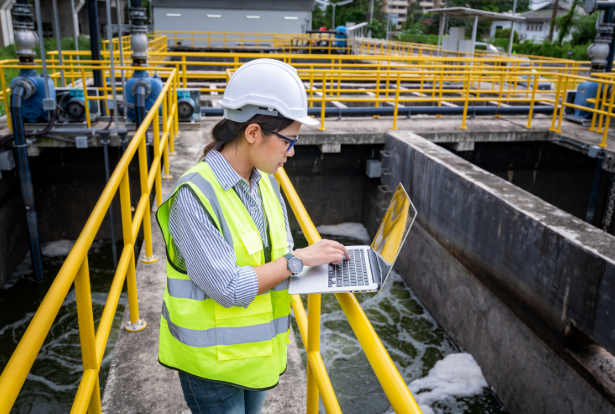
Municipal water plants are designed to draw, store, and transfer pure drinking water to municipalities. In general, the municipal water treatment plant will take the water from the environment (rivers, lakes, or underground aquifers) and treat or store the water until it meets acceptable health and safety standards for drinking water.
This will provide the municipal water system with the filtered, disinfected, and tested water that has been completely free of harmful chemicals and bacteria prior to use in homes and businesses.
Essentially, the goal of a municipal water provider is to supply users with a steady supply of clean and safe drinking water that is used for daily activities, providing local areas with continued public health benefits and continuing economic productivity.
Problems with Old Municipal Water Plants
Old municipal water systems face growing pressure as infrastructure ages and demand rises. Here are the key problems that highlight why old plants struggle to meet modern safety and health standards.
1. Outdated Treatment Technology
Older municipal water treatment plants may still use treatment technologies developed many years ago. Many of these treatment facilities were not designed to effectively handle the growing number of contaminants found in today’s water supplies.
For that reason, a number of toxic materials are able to bypass treated water, increasing the chance of health risk to consumers and causing lower-quality standards of treated water overall.
2. Aging Pipes and Equipment
Many older municipal water treatment plants have issues with corroded pipes, worn-out valves, and malfunctioning mechanical equipment. Over time, these components have the potential to leach lead and iron into drinking water supplies.
In addition, frequent failures of this type of equipment can create significant interruptions in service to consumers, as well as increased costs for municipalities associated with emergency repairs.
3. Greater Potential for Contamination
Older municipal water treatment facilities tend to be more susceptible to leaks and cracks in their infrastructure. As a result, it is easier for contaminants to enter the system from the surrounding environment and/or the wastewater treatment process.
This risk is particularly noticeable during periods of heavy rain and flooding, when it becomes almost impossible to maintain a consistent level of potable water throughout the entire distribution system.
4. Limited Capacity and Efficiency
Plenty of aging municipal water plants were made before the cities’ rapid increase in population. Consequently, many older water treatment facilities lack the infrastructure to adequately meet this increased demand.
This results in diminished water pressure, stressed equipment, and inefficiencies that lead to a higher cost of operating these facilities.
So, these are some of the most common problems with municipal water plants. Let’s understand their negative impacts on water safety.
See also: A Human Look at Business Travel Insurance in Australia
Impact of Aging Municipal Plants on Water Safety
When municipal water plants grow older, their ability to provide continuously safe water diminishes. Here are some ways through which aging infrastructure can affect public health, water quality, and overall safety.
Increase the Chances of Contamination
Aging municipal water plants are more sensitive to contamination due to corroded pipes, worn-out valves, and older filtration systems. Smaller leaks or cracks in the distribution network can allow bacteria, lead, or industrial pollutants to enter the water supply.
During the period of strong rainfall or flooding, these risks increase, making waterborne illness more likely and threatening public health.
Ineffective Treatment of Modern Pollutants
Plenty of older plants work with the technology that was designed for pollutants several years ago. Today, modern contaminants such as pharmaceuticals, pesticides, and microplastics can pass through these older systems, compromising water quality.
Sensitive people such as children and elderly adults, are more likely to face higher risks when water treatment is insufficient.
Reduced Reliability and Service Interruptions
Worn-out equipment and mechanical errors are frequent in older systems. These breakdowns can cause service interruption or temporary shutdowns, during which water safety may be unsure.
Emergency repairs increase the chances of contamination and inconvenience residents, placing additional pressure on municipal resources.
Technological Challenges for Compliance
Water treatment plants have been operating under much less strict guidelines. In particular, prior to 2005, many older utilities were either unable or unwilling to adopt advanced technologies to comply with current safety regulations.
This puts them at risk of paying fines, having their communities lose confidence in them, or being put under increased pressure by their municipalities to obtain funds for necessary repairs and replacements.
What You Can Do to Ensure Water Safety?
The only thing you can do is take steps on your own to ensure water safety. For instance, you can consider boiling the water before actually using it. Although boiling will kill most of the bacteria and other impurities, but it can’t do anything if chemicals or heavy metals are present in the water.
So, the recommended method is to use a water filtration system like the one by Frizzlife. It offers a wide range of certified filtration systems based on different budgets and filtration requirements.
You can go with any based on your specific needs and preferences, and make your municipal water safe and crystal clear for drinking.
Conclusion:
Old municipal water treatment plants serve their communities well but are often no longer able to meet current demands for protection of human health through safe drinking water.
Aging infrastructure, outdated technology, and increasing demand have made it more challenging to keep this most critical of resources safe. The only way for cities to protect public health is to repair, upgrade, and modernize their municipal water treatment systems to ensure continued access to safe drinking water for all residents.