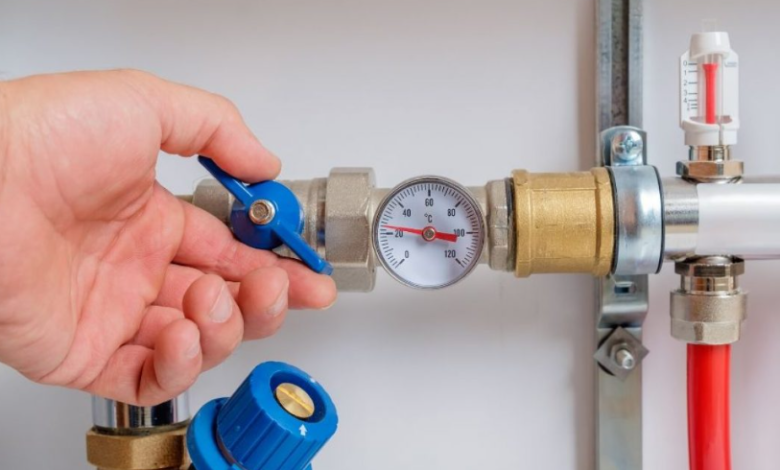
A small change in air or gas pressure changes how a medical machine works. Think of a soap bubble. If you blow too hard, the bubble pops. If you do not blow enough, no bubble forms. A proportional pressure regulator helps machines get the right push of air or gas.
What a proportional pressure regulator does
A proportional pressure regulator sets and keeps the pressure steady. It makes small moves, not big jumps. This helps sensors, pumps, and tubes work smoothly. In many medical tools, smooth work means correct readings and safe action.
How the electronic proportional pressure regulator helps
An electronic proportional pressure regulator listens to a control signal. It moves a tiny valve step by step. The machine sends the signal. The regulator follows quickly and keeps the output stable. This precision reduces errors in breathing machines, drug delivery pumps, and lab tools. The electronic proportional regulator works quietly and fast to match what the machine needs.
See also: What to Look for in a .NET Development Company to Ensure Project Success
Why accuracy matters for patients
When pressure stays right, machines give the right amount of air or medicine. This keeps patients safe. Nurses and doctors trust the numbers on the screen. If the pressure jumps or falls, the device may give too much or too little. That can cause wrong treatment. A good regulator makes sure that the device stays accurate and trustworthy.
Three small steps to better accuracy
- Measure the need. The device senses how much pressure it must give.
- Use a regulator. An electronic proportional pressure regulator always sets the targeted pressure quickly and accurately.
- Check and correct. The machine watches the outcome and notifies the regulator to change if needed.
These three steps form a loop. The loop keeps the system tight and helps the whole device deliver accurate results.
Which types help most
A simple mechanical regulator works well for steady needs. An electronic pressure regulator adds control and speed. An electro pneumatic regulator mixes electric control with air power. Each type fits a certain task. For many medical uses, the electronic proportional pressure regulator gives the best mix of quick response and fine control.
Real example: helping a person breathe
A ventilator helps a person breathe when their lungs rest. The ventilator must give the right amount of air at the right pressure. If the push is too strong, it may harm the lungs. If the push is too weak, the person will not get enough air. The regulator changes pressure in tiny steps to match each breath. The machine watches the breath and alerts the regulator to change. This loop helps the ventilator give steady and correct breaths over time. Doctors can trust the machine when the regulator works well.
A quick checklist for engineers and buyers
- Look for a smooth response with small steps.
- Check how fast the regulator reacts.
- Ensure the regulator works well with the device sensor.
- Pick a unit that fits the gas type and flow range.
- Test the full system, not only the regulator.
Final thoughts!
A proportional pressure regulator seems small, but it plays a big role in device accuracy. The regulator keeps the pressure stable so that the machine can provide accurate results. Due to its accuracy, engineers choose this regulator so that they can make their patients secure. So, this is how a proportional regulator helps in the medical industry.